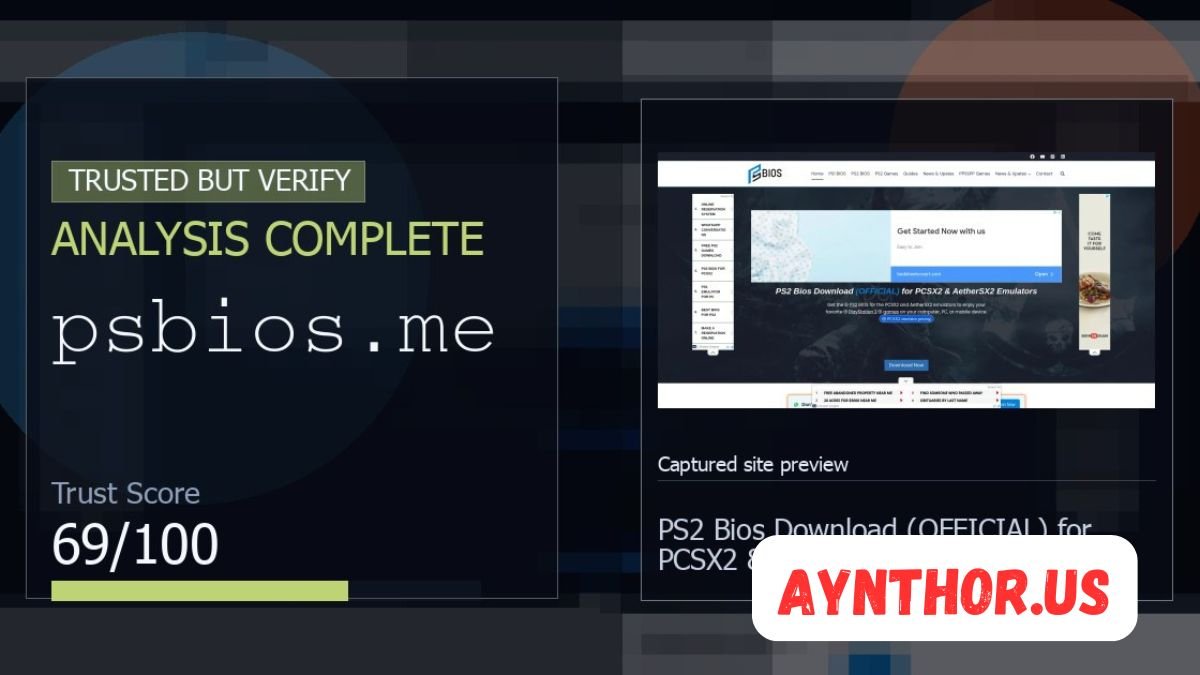
psbios me: Complete Guide to PlayStation BIOS, Emulation, Setup, Safety, and Everything You Need to Know
Introduction
If you have spent any time exploring PlayStation emulation, chances are you have come across the keyword psbios me. Many people search for this phrase when they are looking for PlayStation BIOS information, emulator setup guides, compatibility tips, or answers to common questions about running classic PlayStation games on modern devices. Although the term itself may appear simple, it is connected to one of the most important parts of PlayStation emulation.
Understanding how BIOS works can save you a lot of time and frustration. Many beginners install an emulator, load a game, and then wonder why nothing happens. In most cases, the missing piece is the PlayStation BIOS. Without it, certain emulators cannot function correctly, while others may run with limited compatibility or missing features.
This guide explains everything about psbios me in a simple and beginner-friendly way. Whether you want to play original PlayStation games on a PC, Android phone, Mac, or Linux system, this article will help you understand what a BIOS is, why it matters, how emulators use it, and the best practices for setting everything up correctly.
What Is psbios me?
The keyword psbios me is commonly associated with searches related to PlayStation BIOS files. People often use this search term when looking for information about PlayStation emulation, BIOS compatibility, emulator setup, or troubleshooting common issues. Rather than referring to a specific BIOS itself, it is often used as a search phrase that leads users toward educational resources about PlayStation BIOS.
A BIOS, which stands for Basic Input/Output System, is firmware stored inside the original PlayStation console. When the console starts, the BIOS initializes the hardware, checks important system components, and prepares everything before launching a game. It is one of the first things that runs whenever a PlayStation is powered on.
Modern emulators attempt to recreate the original PlayStation hardware using software. Many of these emulators still require the original BIOS because it performs several important tasks that improve compatibility, accuracy, and game performance. This is why BIOS files remain an essential topic within the PlayStation emulation community.
Understanding the Role of a PlayStation BIOS
A PlayStation BIOS does much more than simply start the console. It is responsible for managing hardware communication between different parts of the system. Every original PlayStation contains this firmware stored in a dedicated memory chip.
When a game begins loading, the BIOS helps initialize the CPU, memory, graphics processor, sound processor, and storage devices. It also handles memory card management, controller communication, and many low-level hardware functions that games depend on.
Without these core services, many games would fail to boot properly or experience compatibility issues. Although emulator developers have created alternative methods for replacing some BIOS functions, official BIOS files generally provide the most accurate experience because they replicate how the original hardware behaves.
Why Do Emulators Need a BIOS?
Not every emulator requires a BIOS, but many of the most accurate PlayStation emulators strongly recommend one. The BIOS allows the emulator to reproduce the original console’s behavior much more faithfully.
Games developed for the PlayStation often rely on functions built directly into the BIOS. Instead of programming every feature from scratch, developers used existing BIOS routines for memory management, hardware communication, and system initialization. This made game development easier while ensuring consistent performance across all consoles.
When an emulator includes the original BIOS, those built-in routines work exactly as expected. This increases compatibility, reduces bugs, improves game loading, and allows features such as memory card management and system menus to behave almost identically to the original PlayStation.
How PlayStation Emulation Works
PlayStation emulation is the process of recreating the original console using software. Instead of running games directly on PlayStation hardware, the emulator interprets and translates instructions so they can run on another device.
The emulator recreates major hardware components such as the processor, graphics chip, audio processor, CD-ROM drive, memory cards, and controller inputs. Every instruction from the original game is translated into something your computer or smartphone understands.
This process requires tremendous accuracy. Even a tiny difference in hardware timing can affect game performance. That is why many emulator developers continue improving compatibility over many years, and why using the correct BIOS often helps games behave more like they do on the original console.
The History of the Original PlayStation BIOS

Sony introduced the original PlayStation in the mid-1990s, and each regional version of the console included its own BIOS firmware. Although the overall functionality remained similar, different BIOS versions supported different regions and hardware revisions.
As newer console revisions were released, Sony updated the BIOS to improve compatibility, fix bugs, and support manufacturing changes. These updates were not something users normally installed themselves because the BIOS came permanently stored inside the console.
Today, these BIOS versions remain important because many emulators work best when paired with firmware matching the region of the games being played.
Different Regional BIOS Versions
One of the most confusing topics for beginners is regional BIOS compatibility. The PlayStation was released in several regions around the world, and each region received slightly different BIOS versions.
Japanese PlayStation consoles used Japanese BIOS firmware. North American consoles used their own BIOS versions, while European systems shipped with BIOS designed for PAL regions. Although many games work across multiple BIOS versions, matching the BIOS region with the game’s original release often provides the best compatibility.
Regional differences also affect video standards. North American and Japanese games generally use NTSC, while European games use PAL. Using the correct BIOS can help maintain accurate timing and display behavior.
Why BIOS Accuracy Matters
Many people assume that all BIOS files are identical, but this is not true. Different console revisions include different firmware versions, and some games may behave differently depending on which BIOS is loaded.
Accurate BIOS emulation allows games to display startup animations correctly, manage save files properly, and reproduce original loading behavior. Certain games even depend on BIOS routines during gameplay, making compatibility more reliable.
Developers of advanced emulators spend years improving hardware accuracy, but using the proper BIOS still contributes significantly to recreating the authentic PlayStation experience.
Common Features Supported by BIOS
The PlayStation BIOS provides several core system features that users often overlook because they happen automatically whenever the console starts.
One major feature is hardware initialization. Before a game can begin, the BIOS prepares the processor, graphics system, memory, and controller ports so everything functions correctly.
Another important feature involves memory card management. When players save games, load existing progress, or format memory cards, much of this functionality is handled through BIOS routines.
The BIOS also controls the familiar PlayStation startup screen, CD verification process, and basic system menus. These features contribute to the authentic experience many retro gamers enjoy recreating through emulation.
How BIOS Improves Emulator Compatibility
Compatibility is one of the biggest reasons people choose to use BIOS with PlayStation emulators. Thousands of PlayStation games exist, and every one interacts with the console hardware in slightly different ways.
Some games use only standard hardware functions and may work even without a BIOS replacement. Others depend heavily on official BIOS routines. These titles often experience fewer graphical glitches, fewer crashes, and more accurate gameplay when the original BIOS is available.
As emulator development has improved, compatibility has increased dramatically. However, experienced users generally recommend using the correct BIOS whenever possible because it helps eliminate many unnecessary issues.
Popular PlayStation Emulators That Support BIOS
Several well-known PlayStation emulators support BIOS files and offer excellent compatibility across different operating systems.
DuckStation has become one of the most respected PlayStation emulators due to its focus on accuracy, modern enhancements, and user-friendly interface. It supports high-resolution rendering, widescreen enhancements, save states, controller customization, and numerous graphics improvements while maintaining excellent compatibility.
PCSX-Reloaded remains another familiar emulator among longtime users. Although newer alternatives have become more popular, it still supports many PlayStation games and continues to be used by some enthusiasts.
RetroArch also supports PlayStation emulation through multiple emulator cores. Instead of functioning as a standalone emulator, RetroArch acts as a frontend that allows users to manage many classic gaming systems from one interface while supporting BIOS files for improved compatibility.
Devices That Can Run PlayStation Emulators
One reason PlayStation emulation has become so popular is the wide variety of devices capable of running these classic games. Modern hardware is far more powerful than the original PlayStation, allowing smooth gameplay even on compact devices.
Windows PCs remain one of the most popular choices because they offer powerful processors, customizable graphics settings, and support for numerous emulators. Many users also connect original-style controllers for an authentic gaming experience.
Android smartphones have become increasingly capable of PlayStation emulation. Even mid-range devices today can run many PlayStation games smoothly, making portable retro gaming more accessible than ever. Tablets provide an even larger screen while maintaining portability.
Mac computers and Linux systems also support several modern PlayStation emulators. Although setup steps may differ slightly between operating systems, the overall experience remains similar once everything has been configured correctly.
Setting Up a PlayStation Emulator Correctly
Installing a PlayStation emulator is usually straightforward, but taking a few extra minutes to configure it properly can greatly improve your gaming experience. Most modern emulators include setup wizards that help users choose graphics settings, controller layouts, and storage locations for memory cards and save states.
One of the first steps is placing your legally obtained BIOS file into the emulator’s designated BIOS folder. After doing this, many emulators automatically detect the file. Others may require you to manually select the BIOS location through the settings menu. Once recognized, the emulator will typically display the BIOS version and region.
After the BIOS is configured, it’s a good idea to adjust graphics, audio, and controller settings. Higher rendering resolutions can make classic PlayStation games look much sharper than they did on the original hardware, while maintaining the gameplay that made them popular.
Choosing the Right BIOS Region
Matching the BIOS region to your game collection is one of the easiest ways to improve compatibility. Although many emulators can run games across different regions, using a BIOS that matches the game’s original release often results in fewer issues.
If you mainly play North American PlayStation games, using a North American BIOS generally provides the most authentic experience. Likewise, Japanese games tend to work best with Japanese BIOS versions, while European titles are often designed around PAL BIOS firmware.
Regional matching also affects video output. NTSC games usually run at 60 Hz, while PAL titles commonly operate at 50 Hz. Using the appropriate BIOS helps preserve the timing and presentation intended by the original developers.
Graphics Enhancements in Modern Emulators
One of the biggest advantages of emulation is the ability to improve visuals beyond what the original PlayStation hardware could produce. Modern emulators offer numerous graphical enhancements that make classic games look cleaner without changing their core gameplay.
Increasing the internal rendering resolution is one of the most noticeable improvements. Instead of displaying at the original console resolution, games can be rendered in HD or even higher resolutions, producing much sharper environments and character models.
Texture filtering, anti-aliasing, anisotropic filtering, and widescreen enhancements are also common features. While some players prefer the authentic retro appearance, others enjoy giving classic games a more modern presentation.
Audio Accuracy and Sound Quality
The PlayStation was known for its memorable soundtracks and high-quality audio effects. Preserving this audio accuracy is an important part of the emulation experience.
Modern emulators replicate the original sound processor with impressive precision. Music, dialogue, ambient effects, and gameplay sounds are reproduced much like they were on the original console. High-quality audio settings can further reduce distortion and improve clarity.
Some users experience crackling or skipping audio, which is often caused by incorrect emulator settings or insufficient hardware resources. Adjusting audio latency and synchronization settings usually resolves these issues without affecting gameplay.
Controller Configuration
Playing PlayStation games feels much more natural with a controller than with a keyboard. Fortunately, most emulators support a wide variety of gamepads, including PlayStation controllers, Xbox controllers, and many third-party options.
Controller mapping allows every button to be assigned manually. This makes it easy to customize controls according to personal preference or match the layout of the original PlayStation controller.
Many emulators also support vibration, analog sticks, pressure-sensitive buttons, and multiple controller profiles. These features provide a more authentic gaming experience, especially for titles designed around DualShock functionality.
Memory Cards and Save Management
One of the original PlayStation’s defining features was the memory card. Without one, players could not save their progress. Emulators recreate this functionality using virtual memory card files stored on your device.
Virtual memory cards behave similarly to physical cards. Games can save progress, load existing files, and even manage storage through the PlayStation BIOS menu if supported by the emulator.
In addition to memory cards, emulators often include save states. Save states allow players to capture the exact state of a game at any moment, making it possible to resume from that point instantly without relying on the game’s built-in save system.
Understanding Save States
Save states are among the most useful features offered by modern emulators. Unlike traditional game saves, save states capture the entire system’s memory, processor status, graphics state, and game progress at a specific moment.
This feature makes difficult games much more manageable. Players can save immediately before a challenging boss battle or tricky platforming section and reload as many times as needed without restarting large portions of the game.
While convenient, save states should be used carefully. They are often emulator-specific, meaning they may not work correctly if transferred to another emulator or after major software updates.
Performance Optimization Tips
Even though PlayStation games require relatively modest hardware by today’s standards, proper emulator settings can significantly improve performance.
Closing unnecessary background applications frees system resources for the emulator. Keeping graphics drivers updated also helps improve compatibility and stability, especially when using advanced rendering options.
Lowering rendering resolution, disabling demanding graphical enhancements, or adjusting synchronization settings can improve frame rates on older computers or mobile devices without noticeably affecting gameplay.
Common Problems Users Encounter
Many beginners experience similar issues when first setting up PlayStation emulation. Fortunately, most of these problems have simple solutions.
One common issue is the emulator failing to detect the BIOS. This usually happens because the BIOS file is placed in the wrong folder, has an incorrect filename, or is corrupted. Verifying the file location and checking emulator documentation often resolves the issue.
Another frequent problem involves games displaying a black screen or freezing during startup. This can result from incompatible game files, incorrect emulator settings, or mismatched BIOS regions. Updating the emulator and reviewing compatibility settings generally helps fix these problems.
Troubleshooting BIOS Detection Errors
If an emulator cannot find the BIOS, there are several steps you can take before assuming something is seriously wrong.
First, confirm that the BIOS file is located in the correct directory specified by the emulator. Some programs automatically scan a dedicated BIOS folder, while others require manual selection through the settings menu.
Next, ensure the BIOS file is complete and unmodified. Corrupted files or incorrectly renamed files may not be recognized. Restarting the emulator after placing the BIOS file in the correct location can also trigger a fresh scan.
Finally, check whether the emulator supports the BIOS version you are using. Most modern emulators recognize multiple PlayStation BIOS revisions, but verifying compatibility is always worthwhile.
Differences Between BIOS and Emulator
Some newcomers mistakenly believe that the BIOS and emulator are the same thing, but they serve very different purposes.
The emulator is the software that recreates the PlayStation hardware on another device. It handles graphics rendering, audio processing, controller input, and many other functions required to run PlayStation games.
The BIOS, on the other hand, is firmware originally stored inside the PlayStation console itself. It provides low-level system functions that many games rely on. While the emulator recreates the hardware, the BIOS supplies the firmware that helps manage it.
Legal Considerations
The legal status of PlayStation BIOS files depends on how they are obtained. The BIOS itself is copyrighted software created by Sony, meaning it is protected under intellectual property laws.
Many enthusiasts create their own BIOS dump from a PlayStation console they personally own. This approach allows users to preserve firmware from their own hardware while avoiding unauthorized distribution.
Downloading BIOS files from unofficial sources may violate copyright laws in some countries. Users should always understand the legal requirements that apply in their region before obtaining BIOS files.
Is Every BIOS Version the Same?
Although BIOS files may appear similar, different versions contain small changes that can affect compatibility with certain games or hardware revisions.
Sony released multiple PlayStation console revisions throughout the system’s lifespan. Some included firmware updates that improved stability, fixed bugs, or supported manufacturing changes.
For most players, modern emulators support several BIOS revisions successfully. However, advanced users sometimes experiment with different versions when troubleshooting rare compatibility issues.
Why Some Emulators Work Without BIOS
Certain PlayStation emulators include a High-Level Emulation (HLE) BIOS. Instead of using Sony’s original firmware, the emulator recreates BIOS functions internally.
This approach allows users to start games without providing a BIOS file. While convenient, HLE BIOS implementations are not always as accurate as the original firmware.
Some games function perfectly with HLE BIOS, while others experience missing features, graphical glitches, or compatibility problems. For the highest level of accuracy, many experienced users still prefer using the original BIOS when legally available.
BIOS Updates and Emulator Development
Unlike modern gaming consoles, the original PlayStation did not regularly receive downloadable firmware updates from users. Instead, BIOS revisions changed primarily when Sony released newer hardware versions.
Emulator development, however, continues to evolve. Developers constantly improve hardware accuracy, graphics rendering, controller support, audio synchronization, and compatibility with thousands of PlayStation titles.
As emulators become more advanced, they continue reducing compatibility issues while adding modern conveniences like achievements, cloud saves, enhanced graphics, and improved user interfaces.
Best Practices for Using PlayStation BIOS
Using a PlayStation BIOS correctly helps create a smoother and more reliable emulation experience. Although many modern emulators are easy to configure, following a few best practices can prevent common problems and improve compatibility with a wide range of games.
The first recommendation is to keep your emulator updated. Developers regularly release updates that improve game compatibility, fix bugs, and optimize performance. An outdated emulator may struggle with games that newer versions can run without any issues. Updating your software also ensures better support for modern operating systems and hardware.
Another good habit is to organize your BIOS files, game files, memory cards, and save states in separate folders. Keeping everything organized makes it easier to manage your collection, back up important saves, and troubleshoot problems if something stops working. A well-organized library saves time and makes the overall experience much more enjoyable.
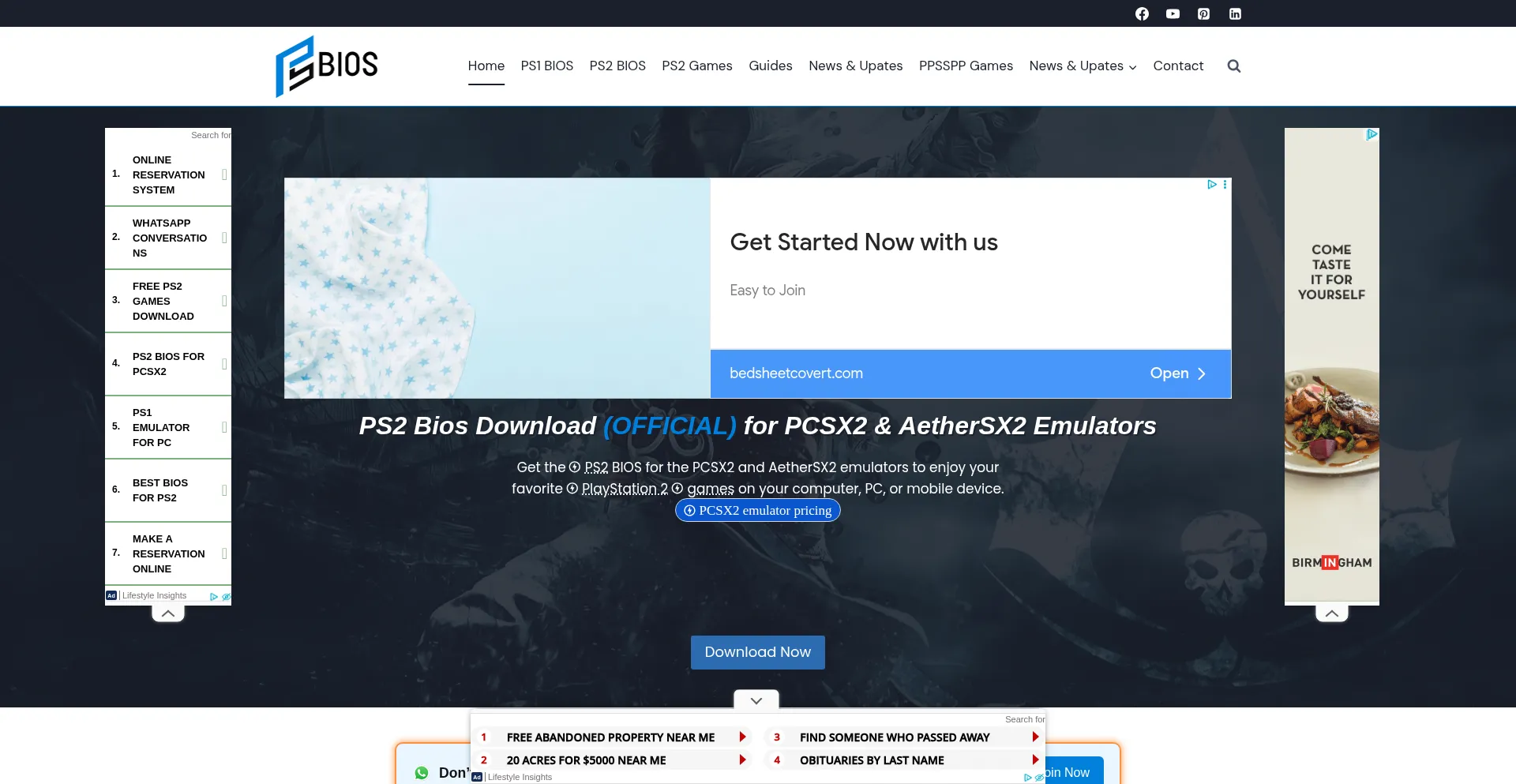
Security Tips When Searching for psbios me
Many people search for psbios me because they want information about PlayStation BIOS files. Unfortunately, not every website offering BIOS-related downloads is trustworthy. Some websites bundle files with unwanted software, misleading advertisements, or even malware.
A safe approach is to focus on learning about BIOS, emulator setup, and legal methods of obtaining firmware rather than downloading files from unknown sources. Reading emulator documentation and community guides is often a much better starting point than clicking random download links.
Keeping antivirus software updated and avoiding suspicious websites also helps protect your computer. If a website asks you to install unnecessary software before accessing a file, it is usually best to leave the site and look for reliable educational resources instead.
Benefits of Learning About BIOS
Understanding how a BIOS works makes PlayStation emulation much less confusing. Instead of following setup instructions blindly, you’ll know why each step matters and how different emulator settings interact with the BIOS.
Learning about BIOS also helps with troubleshooting. If an emulator reports that the BIOS is missing or incompatible, you’ll already understand what the message means and how to investigate the problem instead of guessing.
Another advantage is appreciating how original gaming hardware operated. Many retro gaming enthusiasts enjoy understanding the technology behind classic consoles, and the BIOS is one of the most interesting parts of that hardware.
Common Myths About PlayStation BIOS
Several misconceptions continue to circulate within the emulation community. One common myth is that every PlayStation emulator absolutely requires a BIOS. In reality, some emulators include High-Level Emulation (HLE), allowing certain games to run without one, although compatibility may not always be as good.
Another myth is that all BIOS versions are identical. Different PlayStation models shipped with different firmware revisions, and these revisions can affect compatibility with specific games or emulator features.
Some users also believe that using a BIOS automatically improves graphics quality. This is not true. Graphics enhancements come from the emulator itself, while the BIOS primarily provides firmware functionality that improves compatibility and accuracy.
How Emulator Developers Improve Compatibility
Developing an accurate PlayStation emulator is an ongoing process. Developers continuously study the original hardware to understand how it behaves in different situations and reproduce that behavior through software.
Testing plays a major role in emulator development. Thousands of PlayStation games must be examined to identify compatibility issues, graphical glitches, audio problems, and performance differences. Feedback from users around the world also helps developers discover rare bugs that may not appear during initial testing.
As development continues, many emulators receive frequent improvements. New versions often introduce better graphics rendering, more accurate timing, improved controller support, and additional quality-of-life features while preserving compatibility with older save files.
PlayStation Emulation on Modern Hardware
Today’s computers and smartphones are significantly more powerful than the original PlayStation. Even entry-level hardware often has enough processing power to emulate PlayStation games smoothly.
Desktop computers provide the greatest flexibility, allowing users to increase rendering resolutions, apply advanced graphics enhancements, and connect various controllers. This makes them a popular choice for retro gaming enthusiasts.
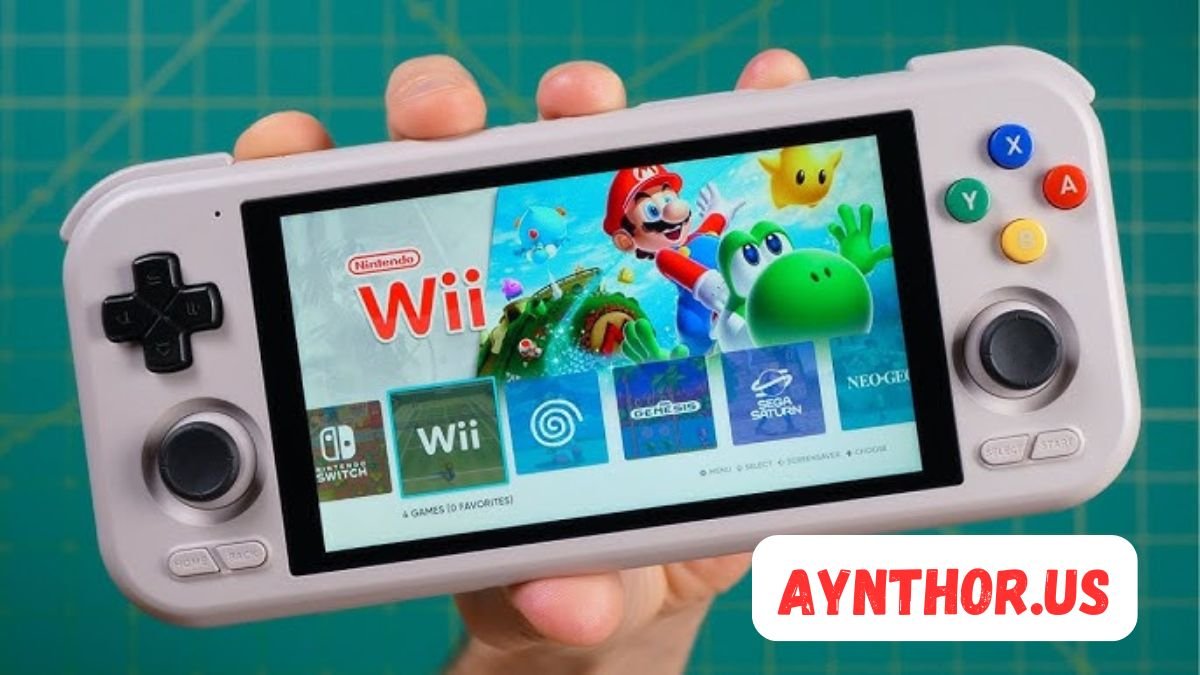
Portable devices have also become excellent options. Modern Android phones, tablets, handheld gaming systems, and even some single-board computers can run many PlayStation games efficiently, allowing players to enjoy classics almost anywhere.
Advantages of Using Emulators
One of the biggest advantages of emulators is convenience. Instead of connecting older hardware, users can keep an entire collection of compatible games accessible from one device.
Emulators also include features that never existed on the original PlayStation. Save states, fast-forward options, screenshots, controller customization, high-resolution rendering, and achievement systems all enhance the gaming experience while preserving the original gameplay.
Accessibility is another benefit. Players who no longer own functioning PlayStation hardware can still learn about classic gaming technology and preserve gaming history through responsible emulation practices.
Limitations of PlayStation Emulation
Although emulation has advanced tremendously, it is not perfect. Some games may still experience minor graphical glitches, timing issues, or compatibility problems depending on the emulator and settings being used.
Hardware differences also affect performance. While modern computers generally handle PlayStation emulation with ease, very old devices or low-powered systems may struggle when advanced graphical enhancements are enabled.
In addition, certain accessories that worked with the original PlayStation may not be fully supported by every emulator. Specialized controllers, peripherals, and niche hardware sometimes require additional configuration or may have limited compatibility.
The Future of PlayStation Emulation
PlayStation emulation continues to improve every year. Developers are constantly refining hardware accuracy while introducing features that make classic gaming even more enjoyable on modern devices.
Artificial intelligence, improved graphics APIs, and increasingly powerful processors are expected to further enhance emulator performance. Games that once required extensive tweaking may eventually run perfectly with little or no configuration.
Community involvement will also remain important. Open-source development allows programmers, testers, and retro gaming enthusiasts to work together, helping preserve gaming history for future generations while improving emulator quality.
Why psbios me Continues to Be a Popular Search
The popularity of psbios me reflects the ongoing interest in PlayStation emulation. Millions of gamers continue discovering classic PlayStation titles every year, and many search for BIOS information while setting up their first emulator.
Retro gaming has experienced a major resurgence as players revisit beloved classics or experience them for the first time. Educational resources explaining BIOS functionality remain valuable because they help beginners understand the technical side of emulation without overwhelming them.
As emulator development continues, search terms like psbios me will likely remain common among users looking for reliable information about PlayStation firmware, compatibility, setup, and troubleshooting.
Final Thoughts
PlayStation emulation has made it possible for classic games to remain accessible long after the original hardware was released. While modern computers and mobile devices provide far more power than the original PlayStation, understanding how the BIOS works remains an important part of creating an authentic and reliable gaming experience.
Searching for psbios me often leads users toward learning about PlayStation BIOS files, emulator compatibility, setup procedures, and troubleshooting techniques. Instead of viewing the BIOS as just another file, it is helpful to recognize it as a core part of the original PlayStation system that handled essential hardware functions.
Whether you are completely new to emulation or already familiar with retro gaming, learning about BIOS technology helps you understand why PlayStation emulators function the way they do. By following best practices, keeping software updated, organizing your files carefully, and using legally obtained firmware from hardware you own, you can enjoy a smooth, stable, and authentic PlayStation emulation experience for years to come.
FAQs
What is psbios me?
It is a commonly searched keyword related to PlayStation BIOS information and emulator setup.
What does a PlayStation BIOS do?
It initializes the console hardware and provides essential system functions for games.
Do all PlayStation emulators require a BIOS?
No, some use HLE BIOS, but an original BIOS generally offers better compatibility.
Can I play games without a BIOS?
Some games may work, but compatibility and accuracy can be reduced.
Why are there different BIOS versions?
Sony released different firmware revisions for various PlayStation models and regions.
Does the BIOS improve graphics?
No, graphics improvements come from emulator settings, not the BIOS itself.
Which devices support PlayStation emulators?
Windows PCs, Macs, Linux systems, Android devices, and many handheld gaming devices.
What is a virtual memory card?
It is a file that stores game saves just like an original PlayStation memory card.
What are save states?
They allow you to save and load your game instantly at any point.
Is PlayStation emulation still improving?
Yes, developers continue enhancing compatibility, performance, and accuracy with regular updates.
Also read: Eden Emulator: Complete Guide to Features, Setup, Performance, and Everything You Need to Know









Post Comment