
RPCSX: Complete Guide to the Modern PlayStation Emulator
Introduction
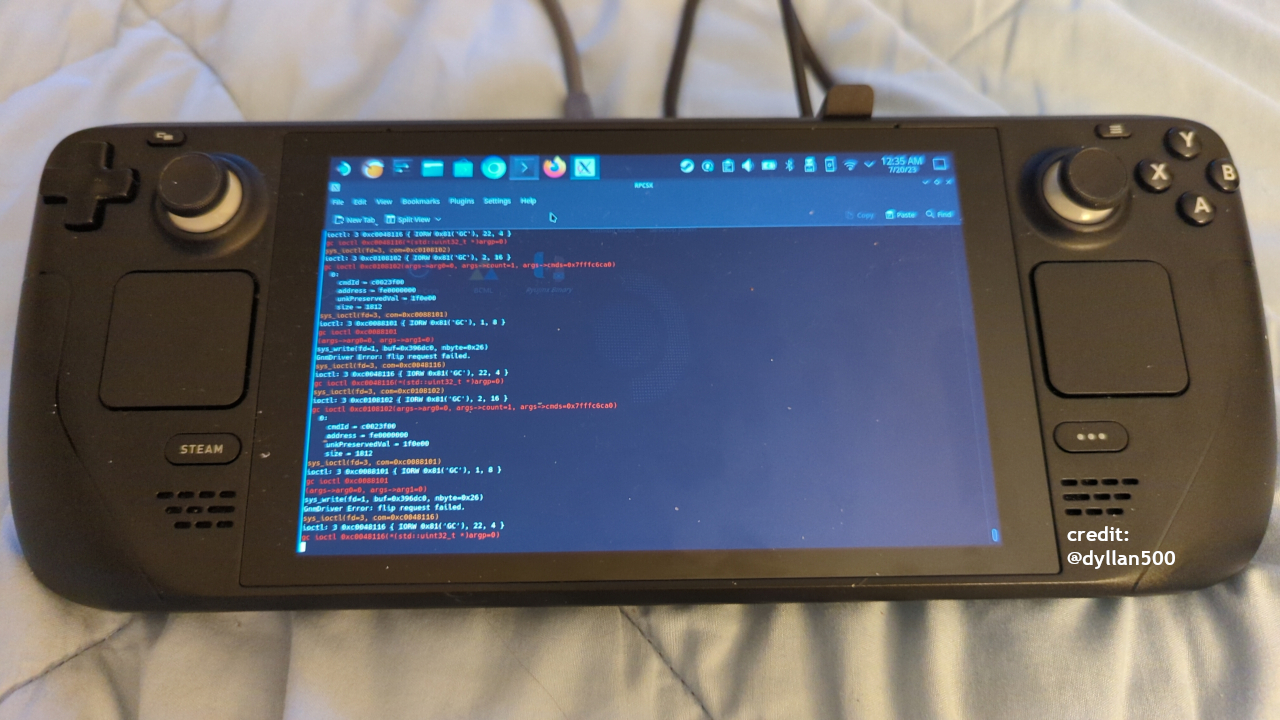
RPCSX has quickly become a topic of interest among gaming enthusiasts who enjoy exploring console emulation on modern computers. As gaming hardware continues to evolve, many players look for software that allows them to experience console titles with improved visuals, smoother frame rates, and additional customization options. RPCSX represents one of the newer projects in the emulation community, drawing attention because of its ambitious goals and active development.
Unlike traditional gaming on original hardware, emulation gives users more control over how games are played. Players can adjust graphics settings, customize controllers, improve loading times, and even enhance visual quality beyond what the original console offered. These advantages have made emulators increasingly popular among gamers, developers, and preservation enthusiasts alike.
This guide explores everything you should know about RPCSX, including its purpose, features, installation process, compatibility, performance optimization, safety considerations, and future development. Whether you are completely new to console emulation or already familiar with similar projects, this article provides a detailed overview that is easy to understand while still offering expert-level insights.
What Is RPCSX?
RPCSX is a PlayStation emulator project designed to reproduce console hardware behavior on modern desktop operating systems. Instead of relying on physical console components, the emulator translates hardware instructions into commands that your computer can understand and execute. This allows compatible games to run without requiring the original console during gameplay.
The primary objective of RPCSX is to balance compatibility with performance. Every console has a unique architecture, and accurately recreating that architecture requires years of development and constant testing. Developers continually improve the emulator by fixing bugs, optimizing rendering techniques, and increasing game compatibility with each update.
Although RPCSX is still developing compared to older emulators, it has attracted attention because of its modern codebase and long-term vision. The project focuses on stability, improved hardware utilization, and scalable performance across different computer configurations, making it an interesting option for gamers who enjoy testing new emulator technology.
Why RPCSX Has Become Popular
One major reason RPCSX has gained popularity is the increasing demand for game preservation. Many console games become difficult to access as physical hardware ages or production ends. Emulators provide an alternative way to experience these games while helping preserve gaming history for future generations.
Another reason is hardware advancement. Today’s processors and graphics cards are significantly more powerful than those available when earlier consoles were released. This additional computing power makes accurate emulation more achievable, allowing projects like RPCSX to deliver increasingly better performance over time.
Community involvement has also contributed to RPCSX’s growing reputation. Developers receive bug reports, performance data, and testing feedback from users worldwide. This collaborative environment allows problems to be identified faster and helps developers prioritize improvements that matter most to everyday users.
How RPCSX Works
At its core, RPCSX acts as a translator between console software and your computer’s operating system. Games designed for PlayStation hardware communicate using instructions intended for the console’s processor and graphics hardware. Since PCs operate differently, these instructions cannot run directly without translation.
The emulator recreates multiple hardware components simultaneously. These include the CPU, GPU, audio processor, memory management system, storage controller, and input devices. Every one of these systems must function together exactly as the original console expects, which explains why emulator development is extremely complex.
Modern emulators often combine hardware emulation with software optimization. Instead of reproducing every electronic component cycle by cycle, developers sometimes implement efficient translation techniques that maintain compatibility while significantly improving performance on modern hardware.
Main Features of RPCSX
RPCSX includes several modern capabilities designed to improve the gaming experience while maintaining compatibility with supported titles.
One of its most valuable features is high-resolution rendering. Games originally designed for lower display resolutions can often be rendered at significantly higher resolutions, producing sharper textures and cleaner image quality on modern monitors.
The emulator also supports customizable graphics settings. Users can adjust internal resolution, filtering methods, texture scaling, shader options, and various rendering techniques according to their computer’s capabilities. This flexibility allows both high-end and mid-range systems to find an appropriate balance between performance and image quality.
Controller customization is another important feature. Rather than limiting users to official console controllers, RPCSX typically allows keyboards, Xbox controllers, PlayStation controllers, and many third-party gamepads. Button remapping gives players complete control over their preferred layout.
Benefits of Using RPCSX

Many players choose RPCSX because it offers greater flexibility than original console hardware. Instead of being locked to a single display resolution or fixed graphical settings, users can tailor nearly every aspect of gameplay according to their preferences.
Performance improvements are another significant benefit. Depending on hardware compatibility and emulator optimization, some games may achieve smoother frame rates or faster loading times than on original hardware. While results vary between titles, modern processors often provide substantial advantages.
Accessibility also improves with emulation. Players who own compatible game backups can enjoy their library on desktop computers without requiring additional console hardware. This convenience appeals to users who prefer centralized gaming environments.
RPCSX System Requirements
Although RPCSX continues to evolve, having capable hardware generally leads to better performance. Emulation is significantly more demanding than native PC gaming because the computer must simulate an entirely different hardware platform.
A modern multi-core processor forms the foundation of good emulator performance. Strong single-core speed remains especially important because many console operations rely heavily on sequential processing. Newer processors from Intel and AMD generally provide the best experience.
Graphics hardware also plays an important role. Dedicated graphics cards support advanced rendering APIs and offer higher processing capacity than integrated graphics solutions. While some lighter games may function on integrated GPUs, demanding titles benefit greatly from dedicated graphics hardware.
Adequate system memory ensures smoother multitasking and prevents unnecessary slowdowns. Storage speed can also influence loading performance, making solid-state drives preferable to traditional hard drives.
Supported Operating Systems
RPCSX primarily targets modern desktop operating systems that provide updated graphics drivers and hardware acceleration support. Contemporary versions of Windows generally receive the broadest testing because of their widespread user base.
Linux compatibility is another area of interest for many emulator developers. Open-source operating systems often attract technically experienced users who enjoy compiling software, testing experimental builds, and contributing bug reports.
Future platform expansion depends on ongoing development priorities. As the emulator matures, broader operating system support may continue improving through community contributions and official updates.
Installing RPCSX
Installing RPCSX is usually straightforward, especially for users familiar with emulator software. The first step involves obtaining the latest official build from the project’s distribution source rather than downloading files from unknown websites.
After downloading the application, users typically extract the compressed archive into a dedicated folder. Keeping emulator files organized simplifies future updates and helps prevent accidental deletion of important configuration data.
Launching the emulator for the first time generally creates default configuration files automatically. Users can then customize graphics settings, controller mappings, language preferences, and storage locations before attempting to run compatible games.
Initial Configuration
Proper configuration significantly affects both compatibility and performance. Taking time to adjust settings before starting gameplay often prevents many common issues later.
Graphics backend selection is usually one of the first configuration decisions. Different rendering APIs may perform better depending on graphics hardware, operating system, and driver versions. Experimentation often helps identify the optimal choice for individual systems.
Controller setup should also be completed early. Mapping buttons correctly ensures a comfortable gaming experience while allowing users to customize layouts according to personal preference rather than relying on default assignments.
Audio configuration deserves attention as well. Selecting appropriate output devices and buffer sizes can reduce latency while preventing crackling or synchronization issues during gameplay.
Understanding the User Interface
RPCSX aims to provide a clean interface that balances simplicity with advanced customization. Rather than overwhelming new users with hundreds of technical options immediately, many settings remain logically organized into dedicated categories.
The main window usually focuses on game management. Users can browse compatible titles, configure individual settings, launch games, and monitor emulator activity from a centralized dashboard. This organization simplifies navigation for both beginners and experienced users.
Advanced configuration menus allow enthusiasts to fine-tune nearly every aspect of emulation. Graphics enhancements, debugging tools, logging systems, performance metrics, and compatibility options are generally separated into clearly labeled sections, making experimentation much easier.
Adding Games to RPCSX
After installation, users typically need to configure their game library before beginning gameplay. The emulator scans selected folders and identifies supported game files automatically, reducing the need for manual organization.
Organizing games into dedicated directories makes future management significantly easier. Many experienced users separate backups according to platform, region, or genre, allowing large collections to remain easy to browse.
Metadata support further improves the experience by displaying game titles, icons, compatibility information, and sometimes additional details that help users identify installed games quickly without manually opening each file.
First Launch Experience
Launching a game for the first time often involves shader compilation and initial optimization. During this process, loading times may be slightly longer than usual as the emulator prepares graphical resources for smoother gameplay.
Some games may require individual configuration adjustments before achieving optimal performance. This is normal for emulator development because every title interacts with console hardware differently, creating unique compatibility challenges.
Once configuration is complete, subsequent launches generally become faster and more stable. Cached resources, saved settings, and optimized shaders contribute to a noticeably smoother overall experience, especially after multiple play sessions.
Why Development Takes Time
Many newcomers wonder why emulator projects require years of continuous development. The answer lies in the extraordinary complexity of accurately reproducing proprietary console hardware using general-purpose computer components.
Every processor instruction, graphics command, memory operation, and hardware interaction must behave exactly as the original console expects. Even minor inaccuracies can cause visual glitches, crashes, audio problems, or complete game failures.
Because thousands of games exist with unique programming techniques, developers constantly discover new compatibility challenges. Each update improves support for additional titles while refining performance and stability across the emulator as a whole.
Game Compatibility in RPCSX
Game compatibility is one of the most important aspects of any emulator, and RPCSX is no exception. Compatibility refers to how accurately the emulator can run games without crashes, graphical glitches, missing audio, or gameplay-breaking bugs. Since every game uses console hardware differently, achieving perfect compatibility across an entire library is an ongoing challenge.
The development team behind RPCSX continuously improves compatibility by analyzing bug reports, testing new rendering methods, and optimizing hardware emulation. Every update typically introduces fixes for specific games while also improving overall system stability. This gradual improvement is common in emulator development because developers must understand how thousands of individual games interact with the original console hardware.
Users should understand that compatibility changes over time. A game that struggles to launch today may become fully playable after several future updates. Likewise, performance improvements can dramatically increase frame rates or eliminate visual problems without requiring any changes from the user.
Understanding Compatibility Ratings
Many emulator communities categorize games into different compatibility levels. These ratings help users know what to expect before attempting to play a title.
The highest compatibility rating generally indicates that a game can be completed from beginning to end without major issues. Minor graphical glitches or occasional frame drops may still occur, but they do not significantly affect gameplay.
Games receiving medium compatibility ratings usually launch successfully but may experience crashes, missing effects, or occasional audio synchronization problems. These issues often improve as developers release newer builds of RPCSX.
Lower compatibility ratings typically indicate games that either fail to boot or encounter severe problems shortly after launching. Even these titles may become playable in future updates as emulator development progresses.
Performance Optimization in RPCSX
Performance depends on both emulator optimization and computer hardware. Even powerful computers may require certain settings to achieve the best balance between speed and visual quality.
One of the first optimization steps involves selecting an appropriate graphics backend. Different graphics APIs interact differently with hardware drivers, meaning one option may perform significantly better than another depending on your graphics card and operating system.
Keeping graphics drivers updated can also improve performance. Driver updates frequently include optimizations for newer rendering technologies, helping emulators take better advantage of modern GPUs without requiring changes to the emulator itself.
Background applications deserve attention as well. Closing unnecessary programs frees processor resources and memory, allowing RPCSX to dedicate more system power to game emulation instead of competing with unrelated software.
Graphics Settings Explained
RPCSX offers numerous graphics settings that allow users to customize image quality according to their hardware capabilities. Understanding these options helps achieve the ideal balance between appearance and performance.
Internal resolution determines how many pixels the game is rendered before being displayed on your monitor. Increasing this setting dramatically improves image sharpness, but it also requires substantially more graphics processing power.
Texture filtering enhances image clarity by reducing visible texture artifacts. Higher-quality filtering generally produces cleaner visuals, especially when games are displayed at high resolutions.
Anti-aliasing smooths jagged edges that often appear around objects. While this improves overall visual quality, stronger anti-aliasing methods also increase GPU workload, making experimentation worthwhile to find the best compromise.
Resolution Scaling
Resolution scaling is one of the most noticeable graphical improvements available in RPCSX. Original console games were often designed for much lower resolutions than today’s displays.
Rendering games at higher internal resolutions creates sharper environments, cleaner character models, and more detailed interface elements. Even older games can appear surprisingly modern when combined with improved filtering techniques.
However, increasing resolution also increases graphics workload. Users with entry-level hardware may achieve smoother gameplay by choosing moderate scaling levels instead of maximum settings.
Finding the ideal resolution depends on both hardware capability and personal preference. Some players prioritize maximum visual quality, while others prefer higher frame rates.
Shader Compilation
Shaders are specialized programs responsible for rendering graphics effects. During initial gameplay, RPCSX may compile shaders as new visual effects appear on screen.
Shader compilation sometimes causes brief stutters during the first play session. This behavior is completely normal and typically becomes less noticeable after shaders are cached for future use.
Keeping shader caches intact between gaming sessions often reduces loading times and improves overall smoothness. Deleting cached shaders unnecessarily may force the emulator to rebuild them during future gameplay.
As emulator development continues, shader management often becomes more efficient, reducing interruptions while maintaining visual accuracy.
Audio Configuration
Good audio emulation contributes significantly to immersion. RPCSX includes various options that help synchronize sound with gameplay while minimizing latency.
Selecting the correct audio output device ensures sound reaches your preferred speakers or headphones without unnecessary routing through additional software layers.
Buffer size influences both latency and stability. Smaller buffers reduce input delay but may produce crackling if the computer cannot process audio quickly enough. Larger buffers improve stability while slightly increasing latency.
Most users achieve the best experience by starting with default settings and making gradual adjustments only if audio problems appear.
Controller Support
Controller flexibility remains one of the strengths of modern emulators. RPCSX supports multiple input devices, allowing users to choose whichever controller feels most comfortable.
Many players prefer official PlayStation controllers because button layouts naturally match console games. Others choose Xbox controllers due to widespread compatibility across Windows systems.
Keyboard support provides another option, especially for users testing games without dedicated controllers. Every button can typically be remapped to individual keyboard keys according to personal preference.
Third-party gamepads also function well in many situations, provided appropriate drivers are installed and recognized by the operating system.
Custom Controller Mapping
Button mapping allows users to create personalized control layouts instead of relying solely on default configurations.
Players with accessibility needs particularly benefit from custom mapping because buttons can be rearranged according to comfort and mobility requirements.
Different genres sometimes benefit from unique layouts. Racing games, fighting games, and action titles may each feel better with specialized button arrangements tailored to the player’s habits.
Saving multiple controller profiles simplifies switching between games without reconfiguring controls every time.
Save States
Save states are among the most appreciated emulator features. Unlike traditional in-game saving, save states capture the exact condition of the emulator at a specific moment.
This allows players to continue gameplay instantly without reaching designated save points inside the game itself. Difficult sections become much easier to practice because users can reload immediately after mistakes.
Despite their convenience, save states should complement rather than replace normal in-game saves. Emulator updates sometimes alter internal memory structures, making older save states incompatible with newer versions.
Maintaining standard game saves alongside emulator save states provides additional security for long-term playthroughs.
Graphics Enhancements
Beyond higher resolutions, RPCSX includes additional enhancements designed to modernize classic games.
Texture filtering improves image clarity without modifying original game assets. Enhanced anisotropic filtering further sharpens textures viewed from angled perspectives.
Certain post-processing effects can improve lighting, color accuracy, or image sharpness according to individual preference. These options remain entirely optional, allowing players to preserve the original console appearance if desired.
Some users enjoy experimenting with widescreen patches where supported, although not every title behaves perfectly when displayed beyond its original aspect ratio.
Common Problems and Their Solutions
Like every emulator, RPCSX occasionally encounters technical issues depending on hardware, drivers, and individual game compatibility.
If a game refuses to launch, verifying that the latest emulator version is installed often resolves compatibility problems introduced by older builds.
Graphical corruption sometimes disappears after changing the graphics backend or resetting graphics settings to their defaults. Driver updates may also eliminate rendering issues.
Unexpected crashes frequently result from unstable experimental settings. Returning to recommended defaults provides an excellent starting point before gradually enabling advanced options again.
Improving Frame Rates
Frame rate directly affects gameplay smoothness. Several adjustments can improve performance without dramatically reducing visual quality.
Lowering internal resolution provides the largest performance improvement because fewer pixels require rendering each frame.
Disabling demanding graphical enhancements such as advanced anti-aliasing or high-quality shadows can significantly reduce GPU workload while maintaining attractive visuals.
Processor-intensive background applications should also be closed whenever possible. Antivirus scans, streaming software, and web browsers consume valuable resources that could otherwise improve emulator performance.
Updating RPCSX
Regular updates are essential because emulator development progresses rapidly. New versions frequently introduce compatibility improvements, bug fixes, performance optimizations, and interface enhancements.
Reading update notes helps users understand which games received improvements and whether configuration changes are recommended after installation.
Before updating, backing up important configuration files and save data provides additional protection against unexpected problems, although updates usually preserve user settings automatically.
Using official releases rather than unofficial modified builds reduces the likelihood of encountering security issues or unstable behavior.
RPCSX Compared with Other Emulators
Every emulator emphasizes different priorities. Some focus almost entirely on maximum compatibility, while others prioritize speed or experimental features.
RPCSX distinguishes itself through its modern architecture and long-term development goals. Rather than relying solely on older design philosophies, it incorporates newer programming techniques intended to improve scalability as hardware continues advancing.
More established emulators may currently support a larger number of playable games simply because they have benefited from many additional years of development. This difference is normal and should not be interpreted as a weakness unique to RPCSX.
Many users enjoy testing multiple emulators because certain games perform better on one project than another. Choosing the best emulator ultimately depends on the specific titles being played and the user’s hardware configuration.
RPCSX Community and Developer Support
One of the biggest strengths of RPCSX is the community that surrounds its development. Emulator projects often rely on feedback from users around the world, and RPCSX is no different. Testers regularly report bugs, submit performance logs, and share compatibility results, helping developers identify problems that may not appear during internal testing.
The community also creates helpful resources for new users. These include installation guides, setup tutorials, optimization tips, controller configuration recommendations, and compatibility lists. Whether someone is installing the emulator for the first time or trying to solve a technical issue, community-created documentation often provides valuable assistance.
As the emulator continues to mature, community involvement will likely become even more important. More testers mean more hardware configurations, more games being evaluated, and ultimately faster improvements for everyone using RPCSX.
Staying Updated with RPCSX
Emulator development is a continuous process rather than a finished product. Developers regularly publish updates that improve performance, expand compatibility, fix crashes, and introduce new features. Keeping RPCSX updated ensures users benefit from the latest improvements.
Before installing a new version, many experienced users back up their configuration files and save data. Although updates generally preserve user settings, having backups adds an extra layer of protection and makes it easy to restore custom configurations if needed.
Reading update notes is also worthwhile. Release notes often explain which games have received compatibility improvements, what bugs were fixed, and whether any settings have changed. This information helps users understand what to expect after upgrading.
Is RPCSX Safe to Use?
Safety depends largely on where the emulator is downloaded. Obtaining RPCSX from its official distribution source significantly reduces the risk of malware, modified software, or unwanted applications bundled with unofficial downloads.
Users should avoid websites that promise “special editions,” “premium versions,” or builds claiming unrealistic performance improvements. Such downloads may include harmful software or outdated versions that lack important security fixes.
Maintaining updated antivirus software and downloading only trusted releases helps create a safe environment for testing emulator software. These simple precautions dramatically reduce potential risks.
Legal Considerations
Emulation itself is generally considered legal in many regions, but the legality of game files depends on local laws and how those files are obtained. Users should always ensure they have the legal right to access any game they choose to run.
Many players create backups of games they already own, allowing them to preserve physical media while enjoying the convenience of emulation. This approach helps reduce wear on aging discs and original hardware.
It is important to understand that RPCSX is simply software designed to emulate console hardware. Responsibility for obtaining and using game data legally rests with the individual user and the laws applicable in their jurisdiction.
Common Myths About RPCSX
Because RPCSX is still gaining attention, several misconceptions frequently appear online. One common myth is that every game should work perfectly immediately after installation. In reality, emulator compatibility develops gradually over many years through continuous testing and refinement.
Another misconception is that expensive hardware automatically guarantees flawless performance. While powerful components certainly help, accurate emulation depends equally on software optimization. Even high-end computers may encounter issues in games that require additional compatibility improvements.
Some users also believe that every graphics setting should be maximized. In practice, balanced settings often provide a smoother and more enjoyable experience than simply selecting the highest available options.
Expert Tips for Better Performance
Experienced emulator users often recommend making configuration changes gradually rather than modifying dozens of settings simultaneously. Adjusting one option at a time makes it much easier to identify which change improves or reduces performance.
Keeping graphics drivers updated remains one of the simplest ways to improve stability. Hardware manufacturers frequently release optimizations that benefit modern rendering techniques used by emulators.
Using a fast solid-state drive can also improve loading times, especially when managing large game libraries. Although storage speed has less impact on frame rates than the processor or graphics card, faster storage contributes to a smoother overall experience.
Monitoring CPU and GPU temperatures during extended gaming sessions is another good practice. Proper cooling helps maintain consistent performance and prevents thermal throttling.
Backing Up Save Data
Protecting save data is essential, particularly for lengthy role-playing games or titles requiring many hours of progress. Creating regular backups prevents accidental data loss caused by hardware failure, software issues, or configuration mistakes.
Many users organize save files in dedicated folders and copy them to external storage or cloud services. This approach makes restoring progress straightforward even after reinstalling the operating system or upgrading computers.
Save states should also be backed up when they represent important gameplay milestones. However, maintaining traditional in-game saves remains equally important because save states may occasionally become incompatible with major emulator updates.
Who Should Use RPCSX?
RPCSX appeals to several different types of users. Gaming enthusiasts interested in exploring modern emulator technology often enjoy following its rapid development and testing newly supported titles.
Developers and researchers may also find value in studying the emulator’s architecture, debugging tools, and hardware implementation. Emulator projects often contribute valuable knowledge to software engineering and hardware preservation.
Casual gamers can benefit as well, particularly those interested in enhanced graphics, flexible controller support, customizable settings, and convenient desktop gaming without relying exclusively on aging console hardware.
Challenges Facing RPCSX
Despite its progress, RPCSX still faces several challenges common to emulator development. Increasing compatibility across a diverse game library requires countless hours of testing, debugging, and optimization.
Hardware differences also create complexity. An emulator must perform consistently across processors, graphics cards, operating systems, and driver versions produced by multiple manufacturers. Ensuring stability under all these conditions requires extensive community feedback.
Performance optimization remains another ongoing objective. Developers continually refine CPU emulation, graphics rendering, memory management, and shader compilation to achieve smoother gameplay while maintaining accurate hardware behavior.
The Future of RPCSX

The future looks promising as computing hardware continues becoming faster and more efficient. Modern processors provide increasing computational power that benefits demanding emulation workloads, while graphics cards introduce advanced rendering technologies capable of improving performance.
Future versions of RPCSX will likely continue expanding compatibility, refining graphics accuracy, reducing loading times, and improving user experience. Community contributions will remain essential in identifying bugs and validating improvements across a wide range of hardware configurations.
Additional quality-of-life features may also appear over time, including improved game organization, enhanced debugging tools, expanded controller support, and more intuitive configuration interfaces. As development progresses, RPCSX has the potential to become an increasingly capable emulator.
Why RPCSX Matters
Beyond simply allowing games to run on desktop computers, RPCSX contributes to digital preservation. Video games represent an important part of technological and cultural history, yet original hardware inevitably ages and becomes more difficult to maintain.
By accurately reproducing console functionality, emulator projects help preserve access to classic software for future generations. Researchers, historians, developers, and enthusiasts all benefit from efforts to document and recreate historical gaming hardware.
RPCSX therefore represents more than just another gaming application. It reflects years of programming expertise, collaborative testing, and a shared commitment to preserving interactive entertainment.
Final Thoughts
RPCSX is an ambitious emulator project that continues to attract attention because of its modern architecture, active development, and long-term potential. Although it remains a work in progress, each update improves compatibility, stability, and performance, making the emulator increasingly capable for a wider range of games.
Users willing to spend a little time learning its settings are rewarded with flexible graphics options, customizable controls, modern hardware support, and an enjoyable gaming experience. As with any emulator, expectations should remain realistic because compatibility evolves gradually rather than overnight.
The future of RPCSX depends on continued development, community testing, and advances in computer hardware. Given its current direction, it has the potential to become an important project within the console emulation landscape for years to come.
Frequently Asked Questions
What is RPCSX?
RPCSX is a PlayStation emulator project designed to run compatible console games on modern computers.
Is RPCSX free to use?
Yes, RPCSX is generally available as free emulator software.
Does RPCSX work on Windows?
Yes, modern versions of Windows are commonly supported.
Can RPCSX improve game graphics?
Yes, it supports higher internal resolutions and several graphical enhancements.
Do I need a powerful PC for RPCSX?
A modern multi-core processor and dedicated GPU provide the best experience.
Can I use an Xbox controller with RPCSX?
Yes, Xbox controllers are typically supported alongside many other gamepads.
Does RPCSX support PlayStation controllers?
Yes, PlayStation controllers can usually be configured through the emulator.
Why do some games run slowly?
Performance depends on hardware capability, emulator optimization, and individual game compatibility.
Should I keep RPCSX updated?
Yes, regular updates improve compatibility, performance, and stability.
Is RPCSX safe?
Yes, when downloaded from the official project source.
Can I customize the controls?
Yes, RPCSX allows extensive button remapping.
Does RPCSX support save states?
Yes, save states are supported for convenient progress saving.
Will every game work perfectly?
No, compatibility varies because development is ongoing.
Can I increase the resolution?
Yes, higher internal resolutions are one of RPCSX’s major features.
Why does shader compilation cause stuttering?
Initial shader compilation prepares graphics for smoother future gameplay.
Can I use a keyboard instead of a controller?
Yes, keyboard controls are generally supported.
Does RPCSX receive updates regularly?
Yes, developers continue improving the emulator through ongoing releases.
Can graphics settings affect performance?
Yes, higher graphical settings require more powerful hardware.
Is RPCSX beginner-friendly?
Yes, although learning basic emulator settings improves the overall experience.
What makes RPCSX different from other emulators?
Its modern development approach, active progress, and focus on long-term compatibility make it a promising emulator project.












Post Comment