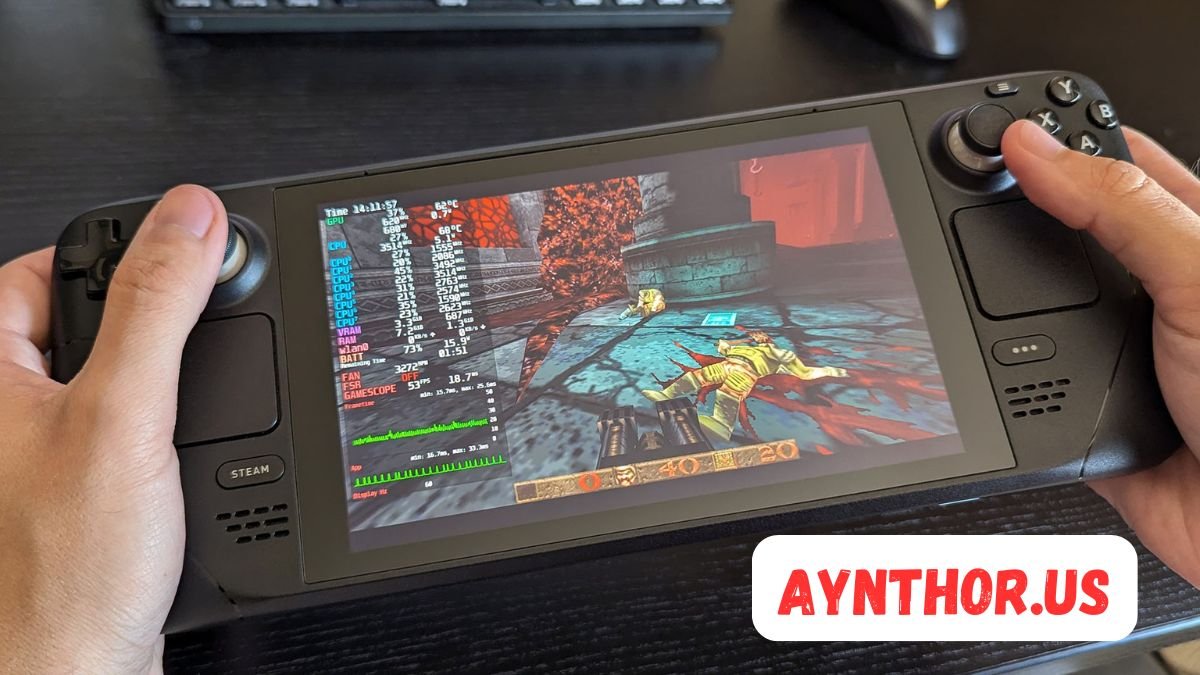
Steam Deck 2: Everything You Need to Know About Valve’s Next-Generation Handheld Gaming Console
Introduction
The steam deck 2 is easily one of the most anticipated gaming devices in recent years. Ever since Valve released the original Steam Deck, gamers have been asking one important question: when will the next version arrive? The first handheld proved that PC gaming could be portable without sacrificing access to a massive game library. It changed the way many people think about gaming on the go and inspired several companies to launch competing handheld PCs.
What makes the excitement around the steam deck 2 even bigger is how much the gaming industry has evolved since the original model launched. New processors are faster, graphics chips are more efficient, battery technology has improved, and modern displays offer smoother gameplay. Gamers now expect a handheld that feels closer to a high-end gaming PC while still fitting comfortably in their hands. Valve understands these expectations, which is why many believe the company is taking its time to deliver a meaningful upgrade rather than a simple refresh.
For both casual players and hardcore enthusiasts, the steam deck 2 represents the future of portable PC gaming. Instead of being limited to mobile games or cloud streaming, players want native access to thousands of PC titles wherever they are. Whether you’re traveling, relaxing on the couch, or visiting friends, a powerful handheld gaming system offers incredible flexibility. If Valve delivers on expectations, the next generation could once again redefine what gamers expect from portable devices.
In this detailed guide, we’ll explore everything currently known and reasonably expected about the steam deck 2. From possible hardware upgrades and design improvements to gaming performance, battery life, software features, pricing, and comparisons with competitors, this guide covers everything a gamer should know before deciding whether it’s worth waiting for Valve’s next handheld.
The Success Story Behind the Original Steam Deck
The original Steam Deck wasn’t just another gaming gadget. It represented a major shift in portable gaming by bringing a true PC gaming experience into a handheld form factor. Unlike traditional handheld consoles that required games built specifically for their platform, Valve’s device gave players direct access to their existing Steam libraries.
One of the biggest reasons for its success was convenience. Many gamers own hundreds or even thousands of Steam games accumulated over many years. Instead of purchasing games again for another platform, they could immediately continue playing their existing collection. This saved money while making the transition to portable gaming almost effortless.
Valve also surprised gamers by making the system highly customizable. Users could install other software, connect external monitors, use keyboards and mice, and even install Windows if they preferred. This flexibility made the handheld feel less like a traditional console and more like a compact gaming PC.
The popularity of the device also encouraged developers to optimize their games for handheld performance. More games started receiving official compatibility ratings, giving players confidence that their favorite titles would run smoothly. This growing ecosystem increased demand and helped establish the Steam Deck as one of the most successful PC gaming products Valve has ever released.
Another factor behind its popularity was value. Compared to many gaming laptops, the Steam Deck offered impressive performance at a relatively affordable price. Gamers who couldn’t justify spending well over a thousand dollars on portable gaming finally had a compelling alternative.
Because of this success, expectations for the steam deck 2 are much higher. Players don’t simply want another handheld—they want the next evolution of portable PC gaming.
Why Gamers Are Waiting for Steam Deck 2
The gaming community has remained surprisingly patient because many understand Valve’s approach to hardware development. Rather than releasing yearly upgrades, the company usually waits until new technology offers meaningful improvements. That philosophy has made gamers believe the steam deck 2 will introduce substantial upgrades instead of minor refinements.
Performance is one of the biggest reasons people continue waiting. Modern AAA games have become significantly more demanding. Features like ray tracing, larger open worlds, and advanced AI systems require more processing power than older handheld hardware can comfortably deliver. Players hope the next-generation hardware will maintain smoother frame rates while supporting newer games for years.
Battery life is another common concern. Although the original Steam Deck performs well, demanding games can quickly drain its battery. A newer processor built on a more efficient manufacturing process could significantly improve battery performance without sacrificing gaming quality.
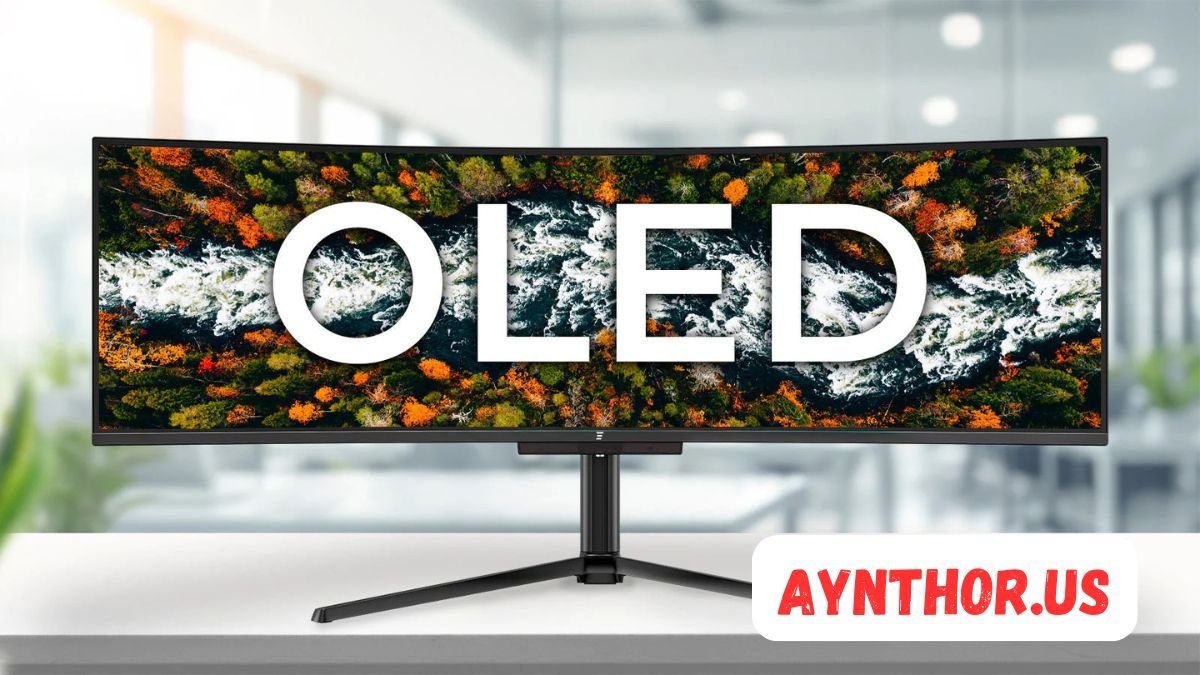
Display technology has also improved rapidly. OLED panels offer richer colors, deeper blacks, and better contrast compared to traditional LCD screens. Higher refresh rates have become increasingly common, creating smoother gameplay experiences. Many gamers hope these improvements become standard in the steam deck 2.
Storage expectations have increased as well. Modern games frequently exceed 100 GB, making larger internal storage increasingly important. Faster SSD technology can also dramatically reduce loading times, improving the overall experience.
Many players are also excited about software improvements. SteamOS has matured considerably since launch, and Valve continues refining compatibility, user experience, and gaming performance. Combined with stronger hardware, these improvements could make the next handheld feel significantly more polished than its predecessor.
Steam Deck 2 Design Expectations
Valve likely won’t completely redesign its handheld because the original design received widespread praise for comfort. Many gamers appreciate the ergonomic grips, balanced weight distribution, and carefully positioned controls. Instead of starting from scratch, Valve will probably refine what already works.
Comfort remains one of the most important factors in handheld gaming. Unlike smartphones or tablets, dedicated gaming devices must remain comfortable during long sessions. Players often spend multiple hours exploring open-world games, completing RPG quests, or enjoying multiplayer matches. Improving ergonomics even slightly can greatly enhance the overall experience.
The steam deck 2 may also become slightly thinner without sacrificing durability. Advances in internal component design allow manufacturers to create smaller cooling systems while maintaining strong thermal performance. A slimmer profile could make the device easier to carry without reducing comfort.
Materials could also receive an upgrade. Higher-quality plastics, improved grip textures, and stronger construction would help the handheld feel even more premium. Since portable devices are carried frequently, durability remains extremely important.
Valve may also improve button feedback. Better triggers, more responsive joysticks, quieter buttons, and improved haptic feedback would make gameplay feel more satisfying across many genres. Competitive gamers especially benefit from responsive controls that accurately register every input.
Small design improvements such as thinner display bezels could also maximize screen size without increasing overall dimensions. More screen space creates a more immersive gaming experience while maintaining portability.
Expected Hardware Improvements
Hardware is where the steam deck 2 could truly shine. Every generation of processors becomes faster and more energy efficient, allowing portable devices to deliver desktop-quality experiences that were previously impossible.
A next-generation AMD processor remains the most likely choice. AMD has become one of the strongest companies in gaming hardware, supplying chips for modern consoles and handheld gaming PCs. A newer Ryzen processor would likely provide significantly faster CPU performance while reducing power consumption.
Graphics performance will likely receive one of the largest improvements. Newer integrated GPUs continue closing the gap between handheld devices and entry-level gaming desktops. This means players could enjoy better graphics settings while maintaining stable frame rates.
Memory upgrades are also expected. Faster RAM improves loading speeds, multitasking performance, and gaming responsiveness. Additional memory capacity also helps future-proof the device as games continue demanding more system resources.
Internal storage may begin at larger capacities than before. As games continue increasing in size, starting with 512 GB or even higher capacities would make practical sense for many players.
Cooling technology should also improve considerably. Efficient cooling allows processors to maintain peak performance for longer periods without overheating. Better thermal management means fewer frame drops during extended gaming sessions.
Valve will likely optimize every component to maximize battery efficiency rather than focusing solely on raw performance. This balanced approach has always been one of the company’s greatest strengths.
Display Improvements Gamers Want
One of the biggest wishes surrounding the steam deck 2 involves its display. Since gamers spend countless hours looking at the screen, even small upgrades can dramatically improve the overall experience.
An OLED display tops many wish lists. OLED technology produces richer colors, deeper blacks, and significantly better contrast than traditional LCD panels. Dark scenes become more realistic, colorful environments appear more vibrant, and games simply look more impressive overall.
Higher refresh rates could also become standard. A 90Hz or even 120Hz display would create smoother animations during gameplay. Fast-paced genres such as racing games, first-person shooters, and action titles especially benefit from higher refresh rates because movement appears much more fluid.
Brightness improvements would also help outdoor gaming. Portable devices are often used while traveling or sitting near windows, where sunlight can make screens difficult to see. Higher peak brightness would improve visibility under challenging lighting conditions.
Resolution is another interesting topic. While some players hope for a full HD display, Valve must carefully balance image quality with battery life and gaming performance. A slightly higher resolution paired with stronger hardware could provide noticeably sharper visuals without overwhelming the GPU.
Better color accuracy would also benefit content creators who occasionally edit photos or videos directly on the handheld. Since the device functions as a portable PC, improvements beyond gaming would increase its overall value.
Finally, improved touchscreen responsiveness would enhance navigation throughout SteamOS. Faster touch recognition and smoother scrolling would make the entire system feel more polished and modern.
Gaming Performance Expectations
Gaming performance is the biggest reason people are excited about the steam deck 2. While the original Steam Deck impressed gamers by running many AAA titles surprisingly well, newer games continue to demand more powerful hardware. Players now expect higher frame rates, better graphics, and smoother gameplay without sacrificing portability.
Valve has always focused on delivering balanced performance instead of chasing the highest benchmark numbers. That philosophy will likely continue with the steam deck 2. Rather than trying to compete with expensive gaming laptops, Valve will probably aim for a handheld that consistently delivers enjoyable gaming across thousands of titles while maintaining excellent battery efficiency.
One of the most important improvements gamers hope to see is more stable frame rates. Frame drops can interrupt immersion, especially in competitive games or action-packed adventures. A faster processor and upgraded graphics hardware should reduce these issues, allowing games to maintain smoother performance even during demanding scenes.
Many modern games now include advanced graphics technologies such as ray tracing, dynamic lighting, and improved physics simulations. While handheld hardware still has limitations, the steam deck 2 could support more of these visual enhancements than the original model without compromising playability.
Game optimization will also continue improving over time. Developers are increasingly aware that handheld PC gaming is becoming a major market. As more studios optimize their games for portable hardware, the overall gaming experience should become even better.
Older PC games will likely perform exceptionally well. Classic RPGs, strategy games, indie titles, and esports favorites could easily achieve high frame rates while consuming very little battery power. This makes the handheld attractive for gamers with large Steam libraries spanning multiple generations.
The combination of stronger hardware and improved software optimization could make the steam deck 2 feel significantly more responsive in everyday gaming, whether players are exploring massive open worlds or enjoying quick multiplayer sessions.
SteamOS Will Continue to Improve
One of the biggest advantages of Valve’s handheld ecosystem is SteamOS. Unlike Windows, SteamOS is specifically designed for gaming, allowing the operating system to use hardware resources more efficiently while providing a console-like experience.
Since the launch of the original Steam Deck, Valve has released countless updates that improve compatibility, stability, and overall usability. By the time the steam deck 2 arrives, SteamOS will likely be even more polished, making setup and daily use easier than ever before.
The gaming interface is expected to remain simple and intuitive. Players can quickly browse their game library, access cloud saves, install updates, and launch games with minimal effort. The interface is designed for handheld controls, eliminating many of the frustrations associated with using a traditional desktop operating system on a small screen.
Game compatibility continues improving as Valve expands its verification program. Thousands of games are already playable, and that number keeps growing every month. New compatibility updates allow more titles to run smoothly without requiring manual configuration.
Performance optimization is another area where SteamOS shines. Valve continuously adjusts drivers, graphics settings, and system-level optimizations to maximize gaming performance. These updates often improve frame rates without requiring any hardware changes.
Quick Resume features may become even smarter. Being able to pause a game instantly and resume later is one of the best aspects of handheld gaming. Improvements in this feature would make switching between games even more seamless.
Customization options will likely remain available for advanced users. Those who enjoy tweaking graphics settings, installing alternative software, or experimenting with different operating systems will still appreciate the flexibility that Valve provides.
Battery Life Could See Major Improvements
Battery life remains one of the biggest challenges for every handheld gaming device. Powerful hardware consumes significant energy, especially when running modern AAA games. This is why many gamers hope the steam deck 2 focuses heavily on efficiency instead of raw performance alone.
New processor technology plays a major role here. Modern chips can deliver significantly better performance while using less power than previous generations. This means gamers may enjoy longer play sessions without constantly searching for a charger.
Valve has gained valuable experience from the first Steam Deck. Usage data and customer feedback have likely helped engineers identify areas where battery efficiency can improve. These lessons should directly influence the design of the steam deck 2.
Smarter power management software could automatically adjust performance depending on the game being played. Less demanding titles may consume only a fraction of the available power, dramatically extending battery life without affecting gameplay quality.
Display improvements could also contribute. Modern OLED panels often consume less power when displaying darker content, especially in games with nighttime environments or dark user interfaces. Combined with adaptive refresh rates, battery savings could become even more noticeable.
Fast charging is another feature many gamers expect. Even if the battery eventually runs low, quicker charging reduces downtime and allows players to get back into their favorite games sooner.
While no handheld can offer unlimited battery life during demanding gaming sessions, a combination of efficient hardware, optimized software, and intelligent power management could make the steam deck 2 a significant step forward.
Storage and Expandability
Game sizes continue increasing every year. Many blockbuster releases now require well over 100 GB of storage space, making larger SSDs increasingly important. The steam deck 2 will almost certainly address this growing challenge.
Many gamers expect the base model to include substantially more storage than previous generations. A larger internal SSD means players can install more games without constantly deleting old ones to free up space.
Faster SSD technology also improves the overall experience. Loading screens become shorter, open-world games stream assets more efficiently, and system startup times decrease noticeably. Even navigating menus feels faster when storage performance improves.
MicroSD card support will likely remain an important feature. Many players appreciate the ability to expand storage without opening the device or replacing hardware. High-speed memory cards allow gamers to carry huge libraries while keeping costs manageable.
Cloud storage integration through Steam Cloud will continue making game management easier. Players can switch between desktop PCs and the handheld without losing save files or progress. This convenience has become one of Steam’s strongest ecosystem advantages.
Valve may also improve storage management tools within SteamOS. Better download controls, automatic game organization, and clearer storage analytics would help users maximize available space.
Ultimately, storage flexibility will remain one of the strongest selling points of the steam deck 2, allowing gamers to build large portable libraries that suit their personal gaming habits.
Compatibility With Existing Steam Games
One of the biggest advantages of staying within the Steam ecosystem is immediate access to an enormous game library. Millions of players already own hundreds or thousands of games, making backward compatibility essential for the steam deck 2.
Valve understands that gamers don’t want to repurchase games simply because they upgraded hardware. Existing Steam purchases should continue working just as they do today, ensuring a smooth transition between generations.
The Steam Deck Verified program will likely continue expanding. More developers are testing their games specifically for handheld play, improving controller support, text readability, and performance optimization.
Older indie games often perform exceptionally well on portable hardware. Titles requiring minimal system resources can deliver many hours of gameplay while consuming very little battery power. This makes the handheld ideal for players with diverse gaming tastes.
Competitive multiplayer games should also benefit from stronger hardware. Better frame rates and lower system latency create a smoother experience for players who enjoy online competition.
Modding support remains another advantage. Since the steam deck 2 functions as a portable PC, many PC mods should continue working depending on individual game compatibility. This gives players far more customization than traditional gaming consoles.
Valve’s continued investment in Proton compatibility also means many Windows-exclusive games can run smoothly without requiring Windows itself. This compatibility layer has become one of SteamOS’s greatest strengths and will almost certainly improve further.
Steam Deck 2 vs Gaming Laptops

Many gamers compare handheld gaming PCs with traditional gaming laptops. While both can play PC games, they serve different purposes, and the steam deck 2 is expected to strengthen its position within the portable gaming market.
Gaming laptops generally offer more raw power. They often include dedicated graphics cards, larger displays, and desktop-like performance. However, they are heavier, more expensive, and less convenient to use while traveling.
The steam deck 2, on the other hand, prioritizes portability. It can be used while sitting on a couch, lying in bed, traveling on a train, or waiting at an airport. This flexibility makes gaming much more accessible throughout the day.
Battery efficiency also favors handheld devices in many situations. While gaming laptops consume considerable power under heavy workloads, handheld systems are specifically optimized for energy-efficient gaming.
Cost is another important factor. High-end gaming laptops can cost several times more than a handheld gaming device. Players looking for affordable portable gaming often find handhelds much more attractive.
Another advantage is instant gaming. Opening a laptop, finding space for a mouse, and waiting for Windows to load can take time. A handheld offers a much faster pick-up-and-play experience, making short gaming sessions far more practical.
That said, gamers who need productivity features like video editing, software development, or professional work may still prefer a laptop. Many players will actually use both devices together, using the steam deck 2 for portable gaming and a desktop or laptop for heavier workloads.
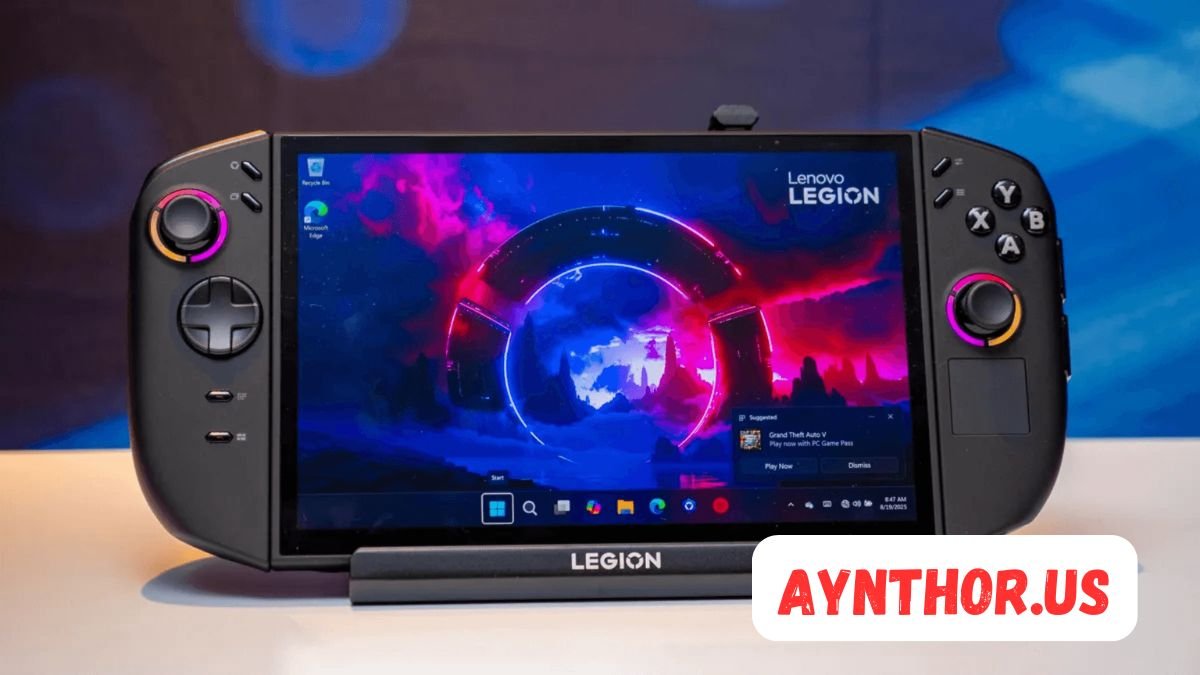
Steam Deck 2 vs ASUS ROG Ally and Lenovo Legion Go
Competition in handheld PC gaming has become much stronger since the original Steam Deck launched. Devices like the ASUS ROG Ally and Lenovo Legion Go have introduced powerful alternatives, encouraging Valve to continue innovating with the steam deck 2.
Each handheld has its strengths. ASUS focuses heavily on high-performance hardware and Windows compatibility. Lenovo emphasizes versatility with unique controller features and a larger display. Valve, meanwhile, focuses on delivering the most complete gaming ecosystem.
SteamOS remains one of Valve’s biggest competitive advantages. Many gamers prefer its gaming-focused interface over the complexity of Windows on a handheld device. Faster navigation and smoother system integration make everyday gaming feel simpler.
Price also plays an important role. Valve has historically offered excellent value, giving gamers strong hardware without reaching premium laptop pricing. If this strategy continues, the steam deck 2 could remain one of the most attractive handheld gaming options available.
Software support is another area where Valve excels. Frequent updates, community involvement, and continuous improvements help extend the lifespan of its hardware well beyond launch.
The Steam ecosystem also provides unmatched convenience. Cloud saves, achievements, friends lists, game libraries, and marketplace integration all work together seamlessly, creating an experience that competitors struggle to match.
As handheld gaming continues growing, healthy competition benefits everyone. Better hardware, lower prices, improved software, and stronger game optimization will ultimately make the steam deck 2 even more appealing for gamers worldwide.
Steam Deck 2 for AAA Gaming
One of the biggest questions surrounding the steam deck 2 is whether it will comfortably handle modern AAA games for years to come. Today’s blockbuster titles feature incredibly detailed graphics, expansive open worlds, realistic lighting, and advanced artificial intelligence. These improvements make games look amazing, but they also require significantly more computing power than older releases.
Valve is expected to design the steam deck 2 with longevity in mind. Instead of focusing only on games available at launch, the company will likely build hardware capable of supporting upcoming releases over the next several years. A more powerful processor combined with improved graphics performance would allow gamers to enjoy new titles without immediately lowering every graphics setting.
Graphics presets will continue playing an important role. Not every player needs ultra settings on a handheld display. Many gamers prefer medium or high settings if they receive smoother gameplay and longer battery life. Valve has traditionally focused on delivering balanced performance, and that philosophy is likely to continue.
Upscaling technologies may also become more advanced on the steam deck 2. Modern rendering techniques can increase frame rates while maintaining impressive image quality. These technologies are becoming increasingly important across the gaming industry because they allow hardware to achieve better visual performance without requiring dramatically more processing power.
Large open-world games should also benefit from faster storage and increased memory bandwidth. Improved asset streaming means fewer loading interruptions, smoother exploration, and better overall immersion during gameplay.
While desktop gaming PCs will always remain the most powerful option, the steam deck 2 could narrow the performance gap enough that many gamers rarely feel the need to carry a laptop when traveling.
Indie Games Will Continue to Shine
Although many conversations focus on AAA games, indie titles have always been one of the greatest strengths of handheld gaming. The steam deck 2 is expected to continue offering an outstanding experience for independent developers and players who enjoy creative gameplay.
Thousands of indie games require relatively modest hardware, allowing them to run at high frame rates while consuming very little battery power. This combination creates an ideal portable gaming experience because players can enjoy long gaming sessions without constantly monitoring battery levels.
Genres like roguelikes, platformers, puzzle games, strategy titles, simulation games, and pixel-art adventures are perfectly suited to handheld devices. These games often feature shorter play sessions, making them ideal for commuting, traveling, or relaxing before bed.
The Steam platform also remains one of the largest marketplaces for independent developers. New indie games launch almost every day, providing endless variety for players who enjoy discovering unique experiences outside the world of blockbuster releases.
Many indie developers actively optimize their games for handheld play. Controller support, readable interfaces, and efficient performance ensure these titles work exceptionally well on portable systems.
Because indie games often receive years of updates after release, players can continue enjoying fresh content without constantly purchasing expensive new titles. This adds tremendous long-term value to owning the steam deck 2.
For gamers who appreciate creativity, innovation, and unique storytelling, the next-generation handheld could become one of the best platforms available for discovering independent games.
Accessories That Could Make the Experience Even Better
Accessories have become an important part of modern gaming, and the steam deck 2 will likely benefit from an expanding ecosystem of official and third-party products.
Protective carrying cases will remain essential for anyone who frequently travels. A well-designed case protects the handheld from scratches, accidental drops, and dust while providing storage for chargers, cables, and memory cards.
Docking stations are another popular accessory. Connecting the steam deck 2 to an external monitor transforms it into a desktop-style gaming system. Players can use keyboards, mice, and controllers while enjoying games on a larger display.
External controllers also provide additional flexibility. Although the handheld includes built-in controls, many gamers prefer traditional controllers during multiplayer sessions or when gaming on a television.
Portable power banks will continue extending gaming sessions during long trips. High-capacity battery packs compatible with USB-C charging allow players to enjoy many additional hours without needing access to a wall outlet.
Screen protectors offer another simple but valuable upgrade. They help prevent scratches while preserving display clarity, especially for gamers who carry the handheld daily.
Additional accessories such as cooling stands, travel organizers, controller grips, thumbstick covers, and wireless headphones further enhance the gaming experience. As the popularity of the steam deck 2 grows, accessory manufacturers will almost certainly continue expanding their product offerings.
Who Should Buy the Steam Deck 2?
The steam deck 2 won’t be designed for just one type of gamer. Instead, it will appeal to a wide variety of players with different gaming habits and lifestyles.
PC gamers with large Steam libraries are perhaps the most obvious audience. Being able to access existing games without purchasing them again makes the handheld extremely attractive. Players can seamlessly switch between desktop gaming and portable gaming while keeping their saves synchronized.
Frequent travelers will also benefit greatly. Long flights, train journeys, hotel stays, and vacations become much more enjoyable when a full PC gaming library fits inside a backpack.
Parents may appreciate the flexibility as well. Instead of occupying the family television, they can continue gaming comfortably while spending time with family members in shared spaces.
Students living in dormitories or smaller apartments could find the steam deck 2 especially practical. Rather than investing in a large desktop setup, they gain access to thousands of PC games using a compact device that requires very little space.
Casual gamers are another important audience. Many people don’t have time for long gaming sessions but still enjoy playing for thirty or sixty minutes after work. A handheld allows instant access without the setup required by traditional gaming systems.
Even existing Steam Deck owners may find upgrading worthwhile if Valve introduces substantial improvements in performance, battery life, display quality, and overall user experience.
Possible Price Expectations
Price is always one of the biggest factors when purchasing gaming hardware. Although Valve has not officially announced pricing for the steam deck 2, many industry observers expect the company to continue offering competitive value.
The original Steam Deck became popular partly because it delivered impressive gaming performance without entering premium gaming laptop territory. Maintaining that balance will likely remain one of Valve’s primary goals.
Manufacturing costs have changed significantly in recent years due to advances in processor technology, storage prices, and display manufacturing. Some premium components may become more affordable, while others remain relatively expensive.
Valve may continue offering multiple storage configurations. This approach allows budget-conscious buyers to choose an entry-level model while enthusiasts purchase larger storage capacities with premium displays or additional features.
Competition will also influence pricing. With several companies now producing handheld gaming PCs, Valve has strong motivation to remain competitive. An attractive price combined with SteamOS and Valve’s ecosystem could make the steam deck 2 one of the strongest values in portable gaming.
Bundles could also become available after launch. These may include carrying cases, docking stations, accessories, or Steam Store credit that increases overall value without significantly lowering hardware prices.
Ultimately, many gamers believe Valve understands that affordability played a major role in the original Steam Deck’s success and will likely preserve that strategy.
Is It Worth Waiting for Steam Deck 2?
Whether someone should wait for the steam deck 2 depends largely on their current gaming situation. Players who already own a capable gaming PC may have little urgency and can comfortably wait for Valve’s next handheld announcement.
Gamers considering their first handheld PC may also benefit from waiting if they are not in a hurry. New hardware often introduces better performance, improved battery life, and longer software support, making it a stronger long-term investment.
On the other hand, those who want portable gaming immediately may still find the current Steam Deck an excellent purchase. It already supports thousands of games and continues receiving regular software updates from Valve.
Another factor involves game preferences. Players focused mainly on indie games and older PC titles may not require next-generation hardware. However, those planning to play future AAA releases could benefit from the improved specifications expected in the steam deck 2.
Budget also matters. New hardware typically launches at a higher price than older models. Waiting could provide access to newer technology, while purchasing the current generation may offer significant discounts after the new model arrives.
Regardless of individual circumstances, excitement surrounding the steam deck 2 demonstrates how important handheld PC gaming has become. Valve successfully created a new category that continues growing every year.
The Future of Handheld PC Gaming
The handheld gaming market has evolved dramatically over the past few years, and the steam deck 2 is expected to play a major role in its future. Portable devices are no longer viewed as secondary gaming systems. Instead, they have become powerful computers capable of delivering premium gaming experiences almost anywhere.
Processor manufacturers continue making enormous progress in energy efficiency. Each new generation delivers better performance while consuming less power, allowing handheld devices to become increasingly capable without sacrificing battery life.
Display technology will also continue improving. Brighter panels, richer colors, faster refresh rates, and thinner bezels will make portable gaming feel even more immersive. Combined with better cooling systems, future handhelds may rival entry-level gaming desktops for many types of games.
Cloud gaming, remote play, and faster internet connections will complement local gaming rather than replacing it. Players will enjoy the flexibility of downloading games for offline play while also accessing cloud services when high-speed internet is available.
Artificial intelligence may also contribute to gaming performance through smarter upscaling, improved battery management, and automatic graphics optimization. These software improvements will help handheld hardware deliver experiences that previously required much more powerful systems.
Valve has already shown that portable PC gaming has enormous potential. The steam deck 2 represents the next step in that journey, giving gamers even more freedom to play where and how they choose.
Conclusion
The steam deck 2 has become one of the most anticipated gaming devices because it promises to build upon an already successful foundation. Rather than reinventing handheld gaming, Valve is expected to refine every important aspect of the original Steam Deck, including performance, battery life, display quality, software, and overall user experience.
Gamers are hoping for a faster processor, stronger graphics, improved efficiency, larger storage options, and a better display that enhances every gaming session. Combined with SteamOS and Valve’s ever-expanding ecosystem, these upgrades could create one of the best portable gaming experiences available.
Competition from other handheld gaming PCs will encourage Valve to continue innovating while maintaining competitive pricing. Healthy competition benefits players by driving improvements across hardware, software, and game optimization.
Whether you’re an experienced PC gamer with a massive Steam library or someone looking for a flexible way to enjoy games while traveling, the steam deck 2 has the potential to become an outstanding investment. While official details remain limited, expectations continue growing as gamers eagerly await Valve’s next announcement.
If Valve delivers meaningful improvements while preserving the value and flexibility that made the original Steam Deck successful, the steam deck 2 could once again redefine portable PC gaming and set a new standard for handheld entertainment.
FAQs
What is the Steam Deck 2?
The Steam Deck 2 is the expected next-generation handheld gaming PC from Valve.
Has Valve officially announced the Steam Deck 2?
Valve has discussed future hardware but has not fully announced the Steam Deck 2.
Will Steam Deck 2 be more powerful than the original?
Yes, it is widely expected to feature significantly improved hardware.
Will Steam Deck 2 play existing Steam games?
Yes, it is expected to support existing Steam libraries.
Will Steam Deck 2 have better battery life?
Newer hardware should provide better battery efficiency than the original.
Will Steam Deck 2 have an OLED display?
Many gamers expect an OLED screen, but nothing has been officially confirmed.
Can Steam Deck 2 replace a gaming laptop?
For many gamers it can, although gaming laptops will still offer higher overall performance.
Will Steam Deck 2 support external monitors?
It is expected to support external displays through docking accessories.
Is Steam Deck 2 good for AAA games?
It is expected to offer much better AAA gaming performance than its predecessor.
Should I wait for the Steam Deck 2?
If you are not in a hurry, waiting may be worthwhile for the expected hardware improvements.
Also read: Legion Go 2: Everything You Need to Know About Lenovo’s Next-Generation Gaming Handheld











Post Comment