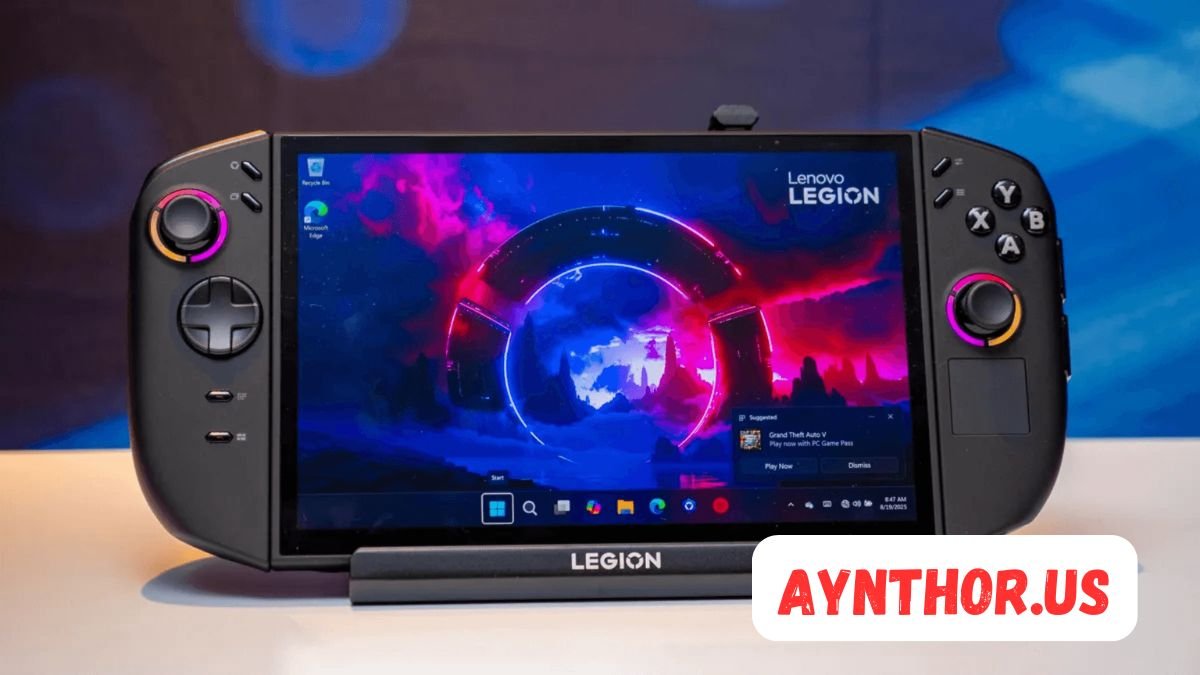
Legion Go 2: Everything You Need to Know About Lenovo’s Next-Generation Gaming Handheld
Introduction
The legion go 2 is one of the most anticipated handheld gaming devices among PC gamers. After the success of Lenovo’s original Legion Go, many gamers are eager to see what the company has planned for its next-generation handheld. The gaming handheld market has grown rapidly over the last few years, with more players looking for portable devices that deliver desktop-quality gaming without being tied to a desk.
Handheld gaming PCs have become much more than simple gaming gadgets. They now offer the flexibility of a full Windows computer combined with the convenience of a portable console. This shift has encouraged manufacturers to improve performance, battery life, display quality, and overall user experience. As expectations continue to rise, the legion go 2 is expected to bring meaningful upgrades that make portable PC gaming even better.
Whether you are a casual gamer, a competitive player, or someone who enjoys gaming while traveling, the legion go 2 has become a device worth following. Although Lenovo has not officially revealed every detail, leaks, demonstrations, and industry discussions have painted a promising picture of what gamers can expect from this upcoming handheld.
This guide explores everything about the legion go 2, including its expected features, hardware improvements, gaming performance, software experience, display quality, battery upgrades, design changes, and how it compares with competing handheld gaming PCs. By the end of this article, you’ll have a complete understanding of why this device has generated so much excitement.
The Evolution of Lenovo’s Handheld Gaming Journey
Lenovo entered the handheld gaming market with confidence by introducing the original Legion Go. Instead of copying existing handheld consoles, Lenovo focused on creating a unique experience. The large display, detachable controllers, built-in kickstand, and Windows operating system helped it stand apart from many competitors.
The original model showed that Lenovo understood the needs of PC gamers. Rather than limiting users to a closed gaming ecosystem, it allowed access to popular platforms like Steam, Xbox Game Pass, Epic Games Store, GOG, Battle.net, and many others. This flexibility quickly made the device attractive to gamers who already owned large PC game libraries.
Despite its strengths, users also provided valuable feedback. Many wanted longer battery life, quieter cooling, lighter weight, improved software optimization, and even better gaming performance. Lenovo appeared to listen carefully to this feedback, and the legion go 2 is expected to address many of these requests.
The handheld gaming market has become increasingly competitive. Every new generation introduces faster processors, better graphics, and more efficient cooling systems. Lenovo understands that staying competitive requires continuous innovation, making the legion go 2 one of its most important gaming products.
As gaming technology continues to evolve, portable devices are becoming powerful enough to replace traditional gaming laptops for many users. The legion go 2 aims to strengthen Lenovo’s position by offering desktop-like gaming performance in a compact package.
Why the Legion Go 2 Has Generated So Much Excitement
Few gaming devices have attracted as much discussion before release as the legion go 2. Much of this excitement comes from the rapid improvements in AMD’s latest mobile processors, which promise significantly better gaming performance while consuming less power.
Gamers have also become more interested in handheld PCs because they offer freedom. Instead of sitting in one place, players can enjoy demanding AAA games from the couch, while traveling, or even during short breaks throughout the day. This flexibility has transformed how many people experience PC gaming.
Another reason for the growing anticipation is Lenovo’s willingness to experiment with unique hardware ideas. Features such as detachable controllers and a built-in kickstand helped distinguish the original Legion Go. Many users are curious to see how Lenovo will refine these ideas for the second generation.
The legion go 2 is also expected to benefit from software improvements. Better driver optimization, smoother game launching, improved controller support, and more efficient power management could significantly improve the overall user experience compared to earlier handheld PCs.
Many gamers are waiting before purchasing another handheld because they believe the legion go 2 could offer the best balance between performance, display quality, comfort, battery life, and software features. If Lenovo delivers on these expectations, it could become one of the strongest competitors in the growing handheld gaming market.
Expected Design Improvements
One of the first things users notice about any handheld gaming device is its design. Comfort becomes especially important during long gaming sessions, and Lenovo is expected to make several ergonomic improvements with the legion go 2.
The original Legion Go featured a relatively large body due to its impressive 8.8-inch display. While many users appreciated the larger screen, others felt the device could become heavy after extended use. The next generation may reduce overall weight while maintaining excellent build quality.
Grip comfort is another area likely to receive attention. Improved controller contours, better weight distribution, and refined button placement can make long gaming sessions significantly more enjoyable. Even small ergonomic adjustments often make a noticeable difference during daily use.
Lenovo may also improve the detachable controller mechanism. Stronger magnetic connections, easier attachment, and better durability would increase confidence when switching between handheld mode and tabletop gaming.
The kickstand, which became one of the original model’s signature features, is expected to remain. Many users appreciated being able to place the device on a table while using detached controllers, making multiplayer gaming and media consumption much more comfortable.
Premium materials are also expected to continue. Lenovo has built a reputation for producing well-constructed gaming hardware, and the legion go 2 will likely feature a sturdy chassis capable of handling regular travel without feeling fragile.
Display Technology Could Reach a New Level
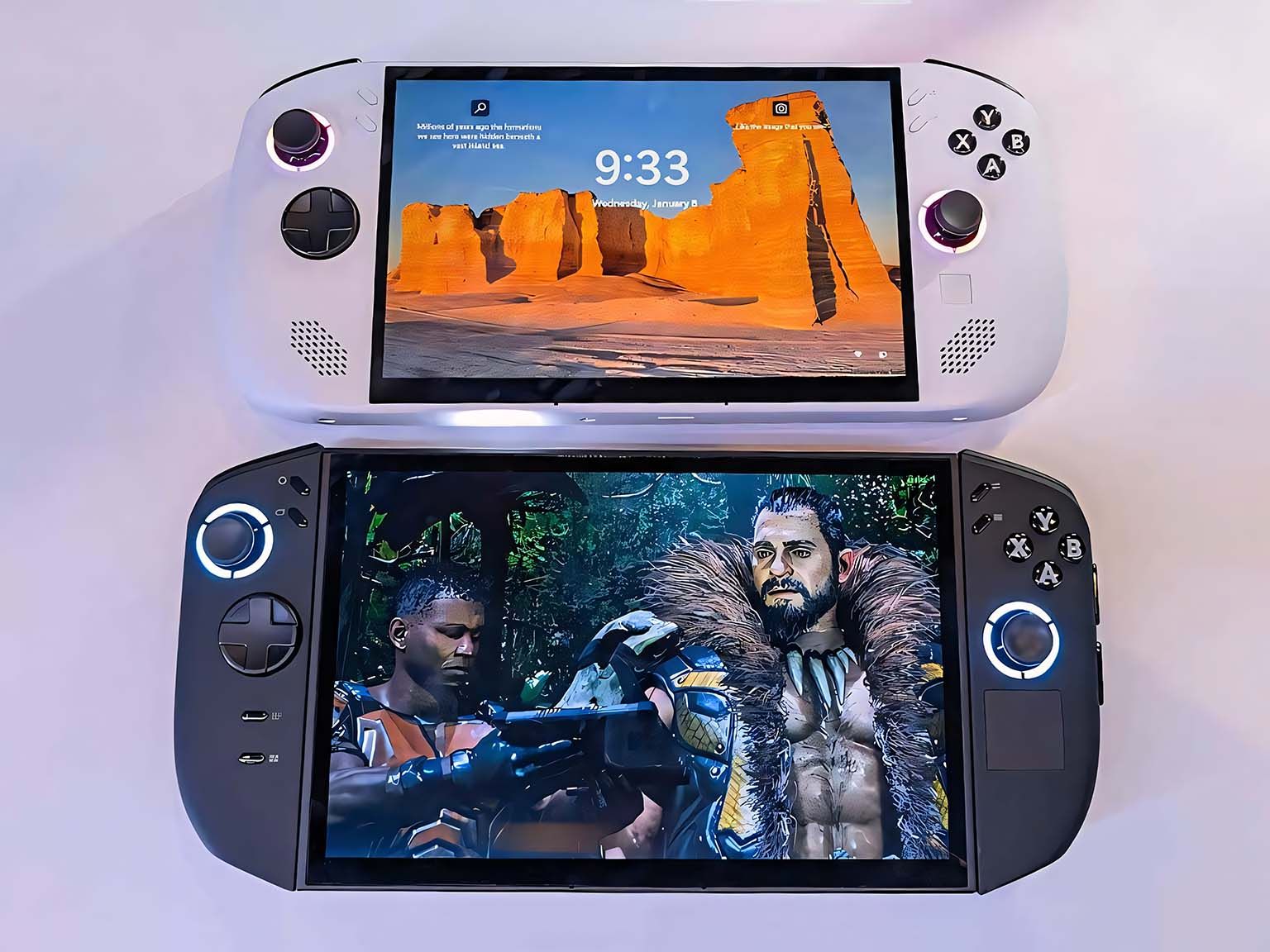
Display quality plays a major role in the overall gaming experience. A beautiful screen makes games feel more immersive, especially when playing visually demanding titles with detailed environments and vibrant colors.
The original Legion Go already featured one of the largest displays in the handheld gaming market. The legion go 2 is expected to continue this advantage while improving brightness, color accuracy, and power efficiency.
Higher brightness levels would improve outdoor visibility, making the handheld more enjoyable during travel. Better color reproduction would also enhance cinematic games, open-world adventures, and creative applications beyond gaming.
Refresh rate is another important consideration. Modern gamers appreciate smooth gameplay, and many expect the legion go 2 to support high refresh rates that provide fluid animations and responsive controls. Even if some demanding games cannot reach extremely high frame rates, lighter esports titles could fully benefit from faster displays.
Touch responsiveness may also improve. Since Windows navigation relies heavily on touch controls, faster and more accurate touch input would create a smoother experience when browsing menus, installing games, or managing applications.
Lenovo may further refine display protection by using stronger glass coatings that reduce fingerprints and improve scratch resistance. This would help maintain the premium appearance of the handheld over years of use.
Performance Expectations
Performance is the most important feature for many gamers considering the legion go 2. Every generation of handheld gaming PCs aims to deliver higher frame rates while maintaining reasonable battery life and manageable temperatures.
The biggest expected improvement comes from AMD’s newest Ryzen Z-series processors. These chips are designed specifically for handheld gaming devices and combine powerful CPU performance with highly capable integrated graphics.
Improved architecture allows games to run faster without requiring dramatically higher power consumption. This means players could enjoy smoother gameplay while simultaneously extending battery life under similar workloads.
Modern games continue to demand more powerful hardware. Open-world titles, advanced lighting technologies, and larger environments place greater pressure on both the processor and graphics unit. The legion go 2 is expected to handle these challenges more efficiently than its predecessor.
Improved AI processing capabilities may also contribute to better gaming experiences. Technologies such as intelligent frame generation, image upscaling, and advanced power management continue to evolve rapidly, helping handheld devices achieve better performance without sacrificing efficiency.
The combination of faster processors, newer graphics architecture, and better thermal management could allow the legion go 2 to play many modern AAA games at higher settings while maintaining stable frame rates.
Next-Generation AMD Hardware
AMD has become the leading processor supplier for premium handheld gaming PCs. Its latest mobile processors have demonstrated impressive gaming capabilities while remaining energy efficient, making them an ideal choice for portable devices.
The legion go 2 is widely expected to feature AMD’s latest Ryzen Z-series processor built on newer manufacturing technology. Smaller manufacturing processes generally improve both performance and efficiency by allowing chips to generate less heat while delivering higher speeds.
The graphics portion of the processor is equally important. Integrated graphics have improved dramatically over the past few years, allowing handheld devices to run games that once required dedicated graphics cards. This progress has transformed portable gaming.
Memory bandwidth is another area expected to improve. Faster LPDDR5X memory enables quicker communication between the processor and graphics components, reducing bottlenecks during demanding gaming sessions.
Storage speeds may also increase thanks to faster NVMe solid-state drives. Shorter loading times, quicker game installations, and faster Windows startup all contribute to a smoother user experience.
AMD’s continued investment in gaming technologies positions the legion go 2 to deliver substantial improvements over earlier handheld generations without requiring dramatically larger batteries or significantly heavier designs.
Cooling System Enhancements
Powerful gaming hardware inevitably generates heat, making cooling one of the most important engineering challenges for handheld gaming devices. An efficient cooling system allows the processor to maintain higher performance without overheating.
The legion go 2 is expected to feature redesigned internal airflow with larger heat pipes and more efficient vapor chamber cooling. These improvements could help keep temperatures lower even during extended gaming sessions.
Fan technology has also advanced significantly. Newer cooling fans can move greater amounts of air while producing less noise, making gameplay more enjoyable. Quiet operation becomes especially valuable when playing in libraries, airplanes, or shared living spaces.
Thermal materials continue to improve as well. Better thermal interface materials help transfer heat away from the processor more efficiently, allowing the cooling system to work more effectively under heavy loads.
Software-controlled fan profiles may provide users with additional customization options. Players who prioritize maximum performance could choose aggressive cooling modes, while those focused on quieter operation might select balanced or silent profiles depending on their gaming needs.
A well-designed cooling system benefits not only gaming performance but also long-term hardware reliability, making it one of the most valuable improvements expected in the legion go 2.
Battery Life and Power Efficiency
Battery life is one of the biggest concerns for anyone considering a handheld gaming PC. Powerful processors and high-refresh-rate displays consume a significant amount of energy, making battery optimization just as important as raw performance. The legion go 2 is expected to improve in this area through a combination of hardware and software enhancements.
Lenovo may equip the device with a larger battery while also taking advantage of AMD’s newer, more efficient processors. Better efficiency means the system can perform the same tasks while using less power. Even if the battery capacity only increases slightly, improvements in processor architecture could result in noticeably longer gaming sessions.
Power management software is another important factor. Modern handheld gaming PCs allow users to adjust performance profiles depending on what they are doing. For example, indie games and older titles do not require maximum processing power, so lowering the power limit can dramatically extend battery life without affecting gameplay quality.
The legion go 2 may also feature smarter charging technology that reduces battery wear over time. Fast charging support is expected as well, allowing gamers to quickly recharge the device during short breaks before returning to their favorite games.
Another possible improvement is adaptive display technology. By automatically adjusting brightness and refresh rate based on usage, the handheld can reduce unnecessary power consumption while maintaining an excellent visual experience. These small improvements work together to make the device much more practical for everyday use.
For travelers, students, and professionals who often game away from home, longer battery life could become one of the strongest selling points of the legion go 2.
Gaming Performance in Modern AAA Titles
One of the primary reasons gamers are excited about the legion go 2 is its expected ability to handle modern AAA games with greater ease. Today’s biggest releases feature highly detailed graphics, advanced lighting effects, and expansive open worlds that place heavy demands on gaming hardware.
Thanks to next-generation AMD hardware, the legion go 2 is expected to deliver smoother frame rates across many popular titles. Games like Cyberpunk 2077, Elden Ring, Forza Horizon, Baldur’s Gate 3, Starfield, and Black Myth: Wukong require powerful hardware, and improvements in GPU architecture could make these experiences much more enjoyable.
Resolution scaling technologies will likely play an important role as well. Features such as AMD FidelityFX Super Resolution (FSR) allow games to render internally at lower resolutions before intelligently upscaling the image. This approach significantly improves frame rates while maintaining impressive visual quality.
Ray tracing performance may also improve compared to earlier handheld devices. While handheld systems cannot match high-end gaming desktops, gradual improvements in graphics technology make advanced lighting effects increasingly practical for portable gaming.
Storage performance contributes to gaming performance too. Faster solid-state drives reduce loading screens and improve streaming of game assets in large open-world environments. Combined with improved memory bandwidth, the legion go 2 should provide a smoother overall gaming experience.
Players who enjoy single-player adventures, action RPGs, racing simulators, or first-person shooters can expect the device to handle demanding titles better than previous generations while offering greater stability during extended gaming sessions.
Esports and Competitive Gaming Experience
Competitive gamers have slightly different priorities than players focused on cinematic single-player experiences. Frame rate consistency, low input latency, responsive controls, and stable performance become much more important than ultra-high graphics settings.
The legion go 2 is expected to perform exceptionally well in popular esports titles. Games like Counter-Strike 2, Valorant, Rocket League, Overwatch 2, Dota 2, League of Legends, Fortnite, Rainbow Six Siege, and Apex Legends generally run very well on modern handheld gaming hardware.
Higher refresh rate displays help competitive gamers react more quickly by presenting smoother animations. When paired with powerful processors capable of maintaining high frame rates, players gain a more responsive gaming experience that feels closer to a traditional gaming PC.
Improved controller responsiveness is another area where Lenovo may introduce refinements. Better analog sticks, reduced input delay, improved trigger sensitivity, and more precise button feedback all contribute to greater accuracy during competitive matches.
For gamers who prefer keyboard and mouse controls, the Windows operating system offers excellent flexibility. Connecting external gaming peripherals through USB-C or Bluetooth allows the legion go 2 to function much like a compact gaming desktop.
Whether competing online or practicing offline, players can expect the handheld to deliver a highly capable esports experience while maintaining the portability that makes handheld gaming so appealing.
Windows Experience on the Legion Go 2
Unlike traditional gaming consoles, the legion go 2 is expected to run a full version of Windows. This provides enormous flexibility because users are not restricted to a single digital game store or ecosystem.
Windows allows gamers to install applications from Steam, Epic Games Store, Xbox Game Pass, GOG, Ubisoft Connect, Battle.net, EA App, and many other platforms. This means users can access existing game libraries without purchasing titles again.
Beyond gaming, Windows transforms the handheld into a complete portable computer. Users can browse the internet, edit documents, attend online meetings, stream videos, create content, and even perform light programming tasks when connected to external accessories.
One challenge with Windows handhelds has always been navigation on smaller screens. Lenovo’s software improvements are expected to make touch controls, controller navigation, and desktop interaction much smoother on the legion go 2.
Multitasking also becomes possible. Players can switch between games, Discord, web browsers, music streaming applications, and productivity software without leaving the Windows environment. This versatility makes the handheld attractive to users who want both entertainment and productivity in a single device.
For many gamers, the freedom offered by Windows remains one of the biggest advantages of the legion go 2 over closed gaming consoles.
Lenovo Legion Space Software
Hardware alone does not determine the quality of a gaming handheld. Software plays an equally important role in creating a smooth and enjoyable user experience. Lenovo introduced Legion Space to simplify game management on its handheld devices, and the software is expected to become even more polished with the legion go 2.
Legion Space serves as a central hub where users can launch games, adjust system settings, customize controller profiles, and monitor hardware performance. Instead of navigating through multiple Windows menus, gamers can quickly access essential features from one interface.
Future updates may include better game organization, faster startup times, and improved compatibility with different game launchers. This creates a more console-like experience while preserving the flexibility of Windows.
Performance tuning is another important feature. Users may be able to adjust processor power limits, fan speeds, display refresh rates, and battery settings depending on the game they are playing. These options allow gamers to choose between maximum performance, balanced operation, or extended battery life.
Lenovo may also improve software stability through regular updates that optimize game compatibility and address user feedback. Continuous software support helps handheld devices remain competitive long after their initial release.
An intuitive software experience can make daily use much more enjoyable, and Lenovo appears committed to refining this aspect of the legion go 2.
Controller Improvements and Gaming Comfort
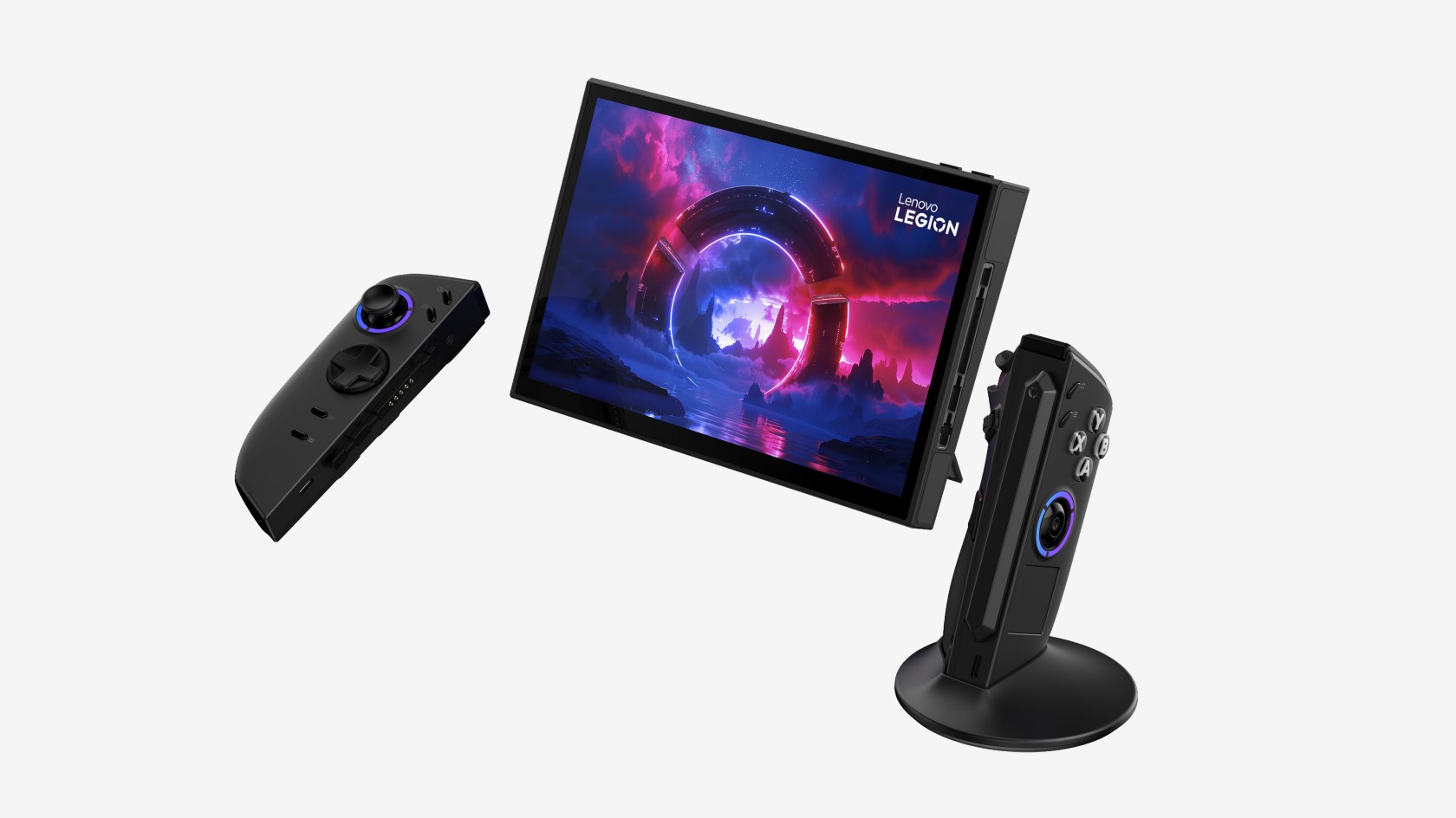
Controllers are the primary way users interact with handheld gaming devices, making comfort and responsiveness extremely important. Lenovo introduced detachable controllers with the original model, and many expect the legion go 2 to build upon this innovative design.
The shape of the controllers may become more ergonomic, providing a more natural grip during long gaming sessions. Better weight distribution can reduce hand fatigue, especially when playing for several hours.
Improved analog sticks could offer greater precision and durability. Hall-effect joystick technology has become increasingly popular because it reduces the risk of stick drift while providing smoother movement.
Trigger buttons may also receive upgrades. Better trigger travel and increased responsiveness benefit racing games, shooters, and action titles where precise control is essential.
Customizable buttons remain another possibility. Additional programmable inputs allow users to create shortcuts for specific games, improving convenience and giving competitive players greater flexibility.
The detachable design itself may become stronger and easier to use. Improved locking mechanisms and more secure connections help ensure the controllers remain firmly attached during intense gameplay while still allowing quick removal for tabletop gaming.
Audio Quality and Immersive Sound
Gaming is not only about graphics. High-quality audio greatly enhances immersion by allowing players to hear environmental details, dialogue, music, and directional sound effects with greater clarity.
The legion go 2 is expected to feature upgraded stereo speakers capable of delivering louder volume and improved sound separation. Better speaker placement could also create a wider soundstage, making games feel more immersive.
Support for modern audio technologies may improve headphone experiences as well. Wireless audio performance continues to improve through newer Bluetooth standards, while wired headphones remain an excellent choice for competitive gaming due to minimal latency.
Microphone quality is another important consideration for multiplayer gamers. Clear voice communication enhances teamwork in online games and improves video conferencing when using the handheld for productivity.
Software enhancements such as equalizer settings and surround sound support may allow users to customize audio based on personal preferences or specific game genres.
Whether enjoying cinematic story-driven adventures or competitive online matches, quality audio contributes significantly to the overall appeal of the legion go 2.
Storage Options and Expandability
Modern games continue to grow in size, with many popular titles exceeding 100 GB. Storage capacity has therefore become a major consideration for handheld gaming PCs.
The legion go 2 is expected to offer multiple storage configurations, allowing users to choose the capacity that best matches their gaming habits. Larger solid-state drives reduce the need to constantly uninstall and reinstall games.
High-speed NVMe SSDs provide much faster loading times than older storage technologies. Games launch more quickly, Windows boots faster, and large updates install in less time.
MicroSD card support is also expected to remain available. While external storage may not match internal SSD performance, it provides an affordable way to expand game libraries for less demanding titles or media files.
Future-proof storage options become especially valuable as game sizes continue increasing. Investing in larger storage capacity can provide greater convenience over the lifespan of the device.
Gamers who maintain extensive digital libraries will appreciate the flexibility that the legion go 2 is expected to offer through both internal and expandable storage solutions.
Connectivity and External Accessories
Connectivity options determine how versatile a handheld gaming device can become. The legion go 2 is expected to support a wide range of accessories, allowing users to transform it into a desktop-like gaming system.
USB-C ports will likely continue serving multiple purposes, including charging, connecting external displays, attaching storage devices, and using gaming peripherals. Docking stations can further expand connectivity by adding HDMI, Ethernet, USB ports, and other interfaces.
Wireless connectivity is expected to improve through newer Wi-Fi standards, providing faster downloads, lower latency, and more reliable online gaming. Bluetooth enhancements may also improve compatibility with wireless controllers, keyboards, mice, and headphones.
External monitor support allows users to enjoy games on larger displays while maintaining the portability of the handheld. Combined with external peripherals, the legion go 2 can effectively function as a compact gaming computer.
Cloud gaming services also benefit from strong connectivity. Stable wireless performance enables smooth streaming from services that support high-quality game streaming over the internet.
These connectivity improvements make the legion go 2 more than just a handheld console—it becomes a highly adaptable gaming platform suitable for many different environments.
Legion Go 2 vs Steam Deck
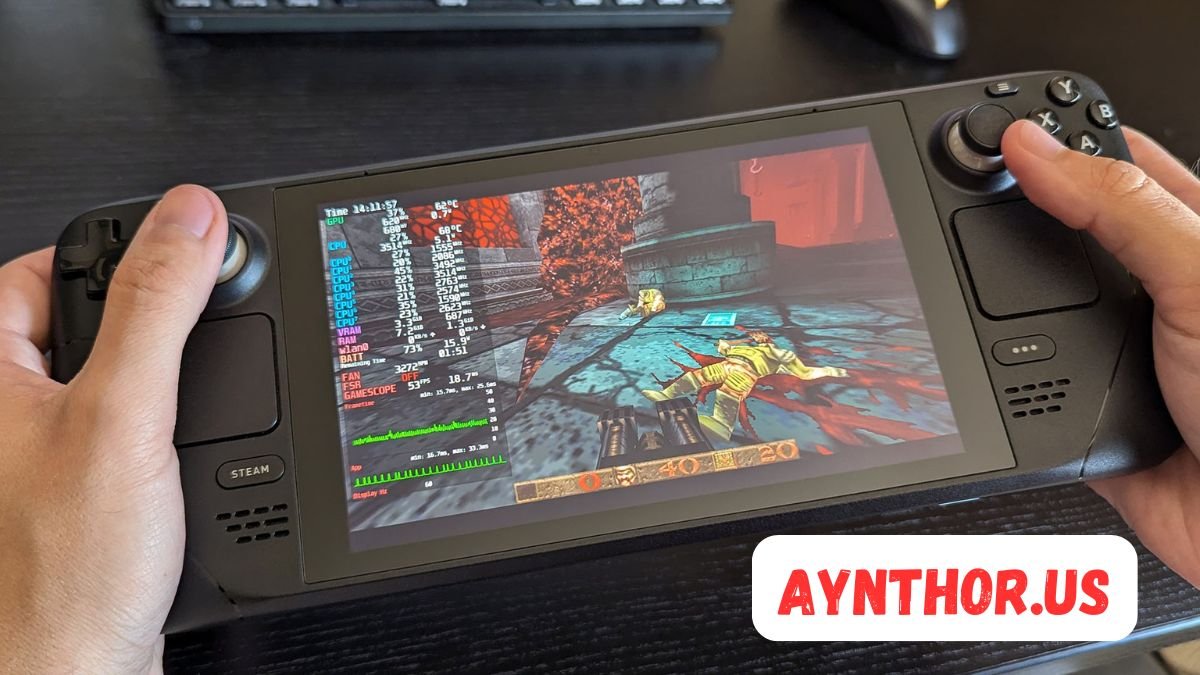
The Steam Deck helped popularize handheld PC gaming, making it one of the first devices many gamers compare against the legion go 2. While both systems target portable PC gaming, they approach the experience in different ways.
The Steam Deck uses SteamOS, a Linux-based operating system optimized for gaming. It offers a smooth console-like experience and excellent integration with the Steam library. The legion go 2, however, is expected to run Windows, giving users direct access to nearly every major PC game launcher without needing additional workarounds.
Display size is another important difference. Lenovo is expected to continue offering one of the largest screens in the handheld market, making games feel more immersive. A larger display also improves productivity tasks such as web browsing and document editing.
Performance is expected to favor the legion go 2 thanks to newer AMD hardware. Modern processors and integrated graphics should provide higher frame rates in demanding games while also supporting the latest gaming technologies.
Battery life will depend on how each device is configured. The Steam Deck has earned praise for its efficiency in lighter games, while Lenovo’s improved hardware and software optimization may help narrow or even surpass that advantage in certain scenarios.
Ultimately, gamers who value maximum flexibility, Windows compatibility, and cutting-edge hardware may find the legion go 2 more appealing, while Steam Deck users who prioritize simplicity may still appreciate Valve’s streamlined software experience.
Legion Go 2 vs ASUS ROG Ally
Another major competitor is the ASUS ROG Ally. ASUS entered the handheld gaming market with impressive hardware, creating strong competition for Lenovo.
The ROG Ally is known for its lightweight design and powerful AMD processors. The legion go 2 is expected to answer with equally capable hardware while maintaining Lenovo’s signature features, including detachable controllers and a built-in kickstand.
Screen size is one of Lenovo’s strongest advantages. Players who enjoy strategy games, role-playing games, or productivity tasks often appreciate the extra display space offered by Lenovo’s larger screen.
Controller flexibility also separates the two devices. While the ROG Ally features permanently attached controls, Lenovo’s detachable design offers multiple ways to play. Tabletop gaming becomes much easier when the controllers can be removed.
Software improvements will likely play an important role in this comparison. Both companies continue refining their gaming interfaces, and smoother software experiences can significantly improve day-to-day usability.
Price may ultimately influence purchasing decisions. If Lenovo manages to offer competitive pricing while delivering upgraded hardware, the legion go 2 could become one of the strongest values in the premium handheld gaming market.
Who Should Buy the Legion Go 2?
Not every gaming device is designed for every type of player. Fortunately, the legion go 2 appears to target a broad audience thanks to its flexibility and powerful hardware.
PC gamers with large digital libraries will benefit from Windows compatibility. Instead of being locked into a single platform, users can access games purchased across multiple stores, making the transition to handheld gaming much easier.
Travelers are another ideal audience. Long flights, train rides, hotel stays, and vacations become much more enjoyable when you can carry your favorite PC games in a portable device.
Students who want both entertainment and productivity may also appreciate the handheld. With a keyboard, mouse, and external monitor connected, the legion go 2 can perform many everyday computing tasks beyond gaming.
Content creators may find it useful for light editing, streaming management, and social media work while traveling. Although it is not intended to replace a powerful desktop workstation, its versatility makes it surprisingly capable.
Even casual gamers can benefit from its ease of use. Whether playing indie games, older classics, or the latest AAA releases, the device offers enough flexibility to satisfy a wide range of gaming preferences.
Potential Accessories for the Legion Go 2
Accessories can significantly enhance the overall experience of using a handheld gaming PC. Lenovo is expected to support a growing ecosystem of products designed specifically for the legion go 2.
Protective carrying cases will likely remain among the most popular accessories. A durable case helps protect the handheld during travel while providing storage space for chargers, cables, and memory cards.
Docking stations allow users to connect external displays, keyboards, mice, Ethernet connections, and additional USB devices. With the right dock, the legion go 2 can serve as a compact desktop replacement.
Screen protectors help preserve display quality by reducing scratches and minimizing fingerprints. Since handheld devices are frequently transported, display protection is often a worthwhile investment.
Portable power banks designed for high-wattage charging may also become popular. These allow gamers to extend playtime during travel without needing access to wall outlets.
Wireless controllers, gaming headsets, mechanical keyboards, external SSDs, and Bluetooth mice further expand the capabilities of the handheld. Together, these accessories transform the legion go 2 into a highly flexible gaming and productivity platform.
Software Updates and Long-Term Support
Hardware is only one part of a successful gaming device. Ongoing software updates often determine how well a handheld performs over several years.
Lenovo has shown increasing commitment to improving its gaming software through updates. The legion go 2 is expected to receive regular driver improvements that optimize compatibility with newly released games.
Windows updates continue introducing security improvements and new features that benefit gaming devices. Combined with AMD graphics driver updates, users should see steady improvements in performance and stability.
Community feedback plays a valuable role in software development. Manufacturers often release updates addressing controller issues, battery optimization, interface improvements, and bug fixes based on user experiences.
Long-term software support also protects the value of the device. Gamers investing in premium hardware want confidence that their handheld will remain competitive and functional for years rather than becoming outdated shortly after launch.
A strong update strategy can significantly extend the lifespan of the legion go 2, making it a smarter long-term investment for many users.
Expected Pricing and Availability
Pricing is one of the biggest unknowns surrounding the legion go 2. Lenovo will need to balance premium hardware with competitive pricing in order to attract both new buyers and existing handheld gamers.
Higher-end processors, faster memory, improved displays, and larger batteries naturally increase manufacturing costs. However, competitive pricing remains essential because buyers have multiple alternatives in today’s handheld gaming market.
Multiple storage configurations are likely to be offered. Entry-level models may appeal to budget-conscious gamers, while premium versions with larger SSDs and additional memory could target enthusiasts who want maximum performance.
Regional pricing may vary depending on taxes, import costs, and market demand. Availability could also differ between countries during the initial launch period.
Pre-order demand is expected to be strong, especially if Lenovo officially confirms major hardware improvements. Gamers interested in early adoption may wish to monitor announcements closely once the company reveals official release information.
Strengths That Could Make the Legion Go 2 Stand Out
Several qualities have the potential to make the legion go 2 one of the most attractive handheld gaming devices on the market.
Its combination of powerful AMD hardware and Windows compatibility provides exceptional gaming flexibility. Players can access multiple game stores instead of relying on a single ecosystem.
The large display continues to differentiate Lenovo from many competitors. Extra screen space improves immersion while making desktop applications more comfortable to use.
Detachable controllers remain a unique feature that expands the ways people can play. Tabletop gaming, multiplayer sessions, and media consumption all benefit from this design.
Expected improvements in cooling, battery life, software optimization, and ergonomics address many of the areas users wanted Lenovo to refine after the original model.
Strong connectivity options, fast storage, expandable memory support, and accessory compatibility further increase the overall value of the legion go 2, making it much more than a simple gaming handheld.
Possible Challenges
Although expectations are high, the legion go 2 may still face certain challenges.
Battery life remains one of the biggest engineering limitations for high-performance handheld gaming PCs. Even with more efficient processors, demanding AAA games will continue consuming significant power.
Windows, while extremely flexible, sometimes requires more maintenance than dedicated gaming operating systems. Driver updates, background processes, and software compatibility occasionally require user attention.
Pricing could also influence consumer interest. If the handheld launches at a significantly higher price than competing devices, some buyers may hesitate despite its advanced hardware.
Game optimization varies from title to title. While many modern games run well on handheld hardware, certain poorly optimized releases may still require lower graphics settings for the best experience.
Competition continues growing rapidly. Manufacturers release improved handheld gaming systems every year, making innovation essential for maintaining market leadership.
Tips for Getting the Best Experience
Once gamers purchase the legion go 2, a few simple habits can maximize performance and overall enjoyment.
Keep Windows, graphics drivers, and Lenovo software updated. These updates frequently improve compatibility with newly released games while fixing bugs and improving system stability.
Choose appropriate performance modes depending on the game being played. Lightweight indie titles rarely require maximum processor power, allowing users to save battery life without sacrificing performance.
Maintain sufficient free storage space. Solid-state drives generally perform better when they are not completely full, helping games load more quickly.
Adjust graphics settings intelligently. Rather than always selecting the highest preset, balancing resolution, texture quality, shadows, and upscaling technologies often delivers smoother gameplay with minimal visual compromise.
Regularly clean the device’s air vents to maintain efficient cooling. Good airflow helps the processor sustain higher performance while reducing fan noise during long gaming sessions.
The Future of Handheld PC Gaming
The success of devices like the legion go 2 reflects a much larger shift within the gaming industry. Portable gaming PCs are no longer viewed as experimental products. Instead, they are becoming a permanent category alongside traditional desktops, laptops, and consoles.
Advances in processor efficiency continue making handheld devices more powerful each year. Future generations will likely offer desktop-level gaming performance while consuming even less power.
Artificial intelligence is expected to play an increasingly important role through smarter upscaling technologies, frame generation, intelligent battery management, and automatic graphics optimization.
Cloud gaming may also complement local gaming rather than replacing it. Faster internet connections allow players to choose between installing games locally or streaming demanding titles when convenient.
Display technology, battery chemistry, cooling systems, and wireless connectivity will continue improving, making future handheld devices even more capable and practical.
As the market grows, competition encourages manufacturers to innovate more rapidly, ultimately benefiting gamers through better products at more competitive prices.
Conclusion
The legion go 2 has all the ingredients needed to become one of the most exciting handheld gaming PCs in recent years. Building on the strengths of its predecessor while addressing common user feedback, Lenovo appears focused on delivering meaningful improvements rather than simple incremental upgrades.
Expected advancements in AMD processing power, graphics performance, battery efficiency, cooling technology, display quality, controller design, and software optimization position the device as a strong competitor in an increasingly crowded market. Combined with Windows compatibility and Lenovo’s unique detachable controller design, it offers a level of flexibility that few handheld gaming systems can match.
Whether you’re an experienced PC gamer looking for portable freedom, a traveler who wants access to AAA games on the go, or someone searching for a compact Windows gaming computer, the legion go 2 is shaping up to be an impressive option worth considering.
While official specifications, pricing, and release details will ultimately determine its success, current expectations suggest that Lenovo is preparing a handheld capable of meeting the needs of modern gamers. If the company delivers on its promises, the legion go 2 could become one of the standout gaming devices of its generation and help define the future of portable PC gaming.
FAQs
What is the legion go 2?
The legion go 2 is Lenovo’s next-generation Windows-based handheld gaming PC.
Will the legion go 2 run Steam games?
Yes, it is expected to support Steam along with other major PC game launchers.
Is the legion go 2 better than the original Legion Go?
It is expected to offer improved performance, battery life, cooling, and software.
Does the legion go 2 use Windows?
Yes, it is expected to run a full version of Windows.
Can the legion go 2 play AAA games?
Yes, it is designed to play modern AAA games with optimized settings.
Will the legion go 2 support Xbox Game Pass?
Yes, Windows compatibility should allow access to Xbox Game Pass PC games.
Can I connect the legion go 2 to a monitor?
Yes, external monitor support is expected through USB-C connectivity.
Will the legion go 2 have detachable controllers?
It is expected to continue Lenovo’s detachable controller design.
Is the legion go 2 suitable for travel?
Yes, it is designed for portable gaming during travel and daily commuting.
When will the legion go 2 be released?
Lenovo has not officially confirmed the global release date at the time of writing.
Also read: Odin 3: The Complete Guide to Features, Performance, Emulation, and Buying Tips







Post Comment