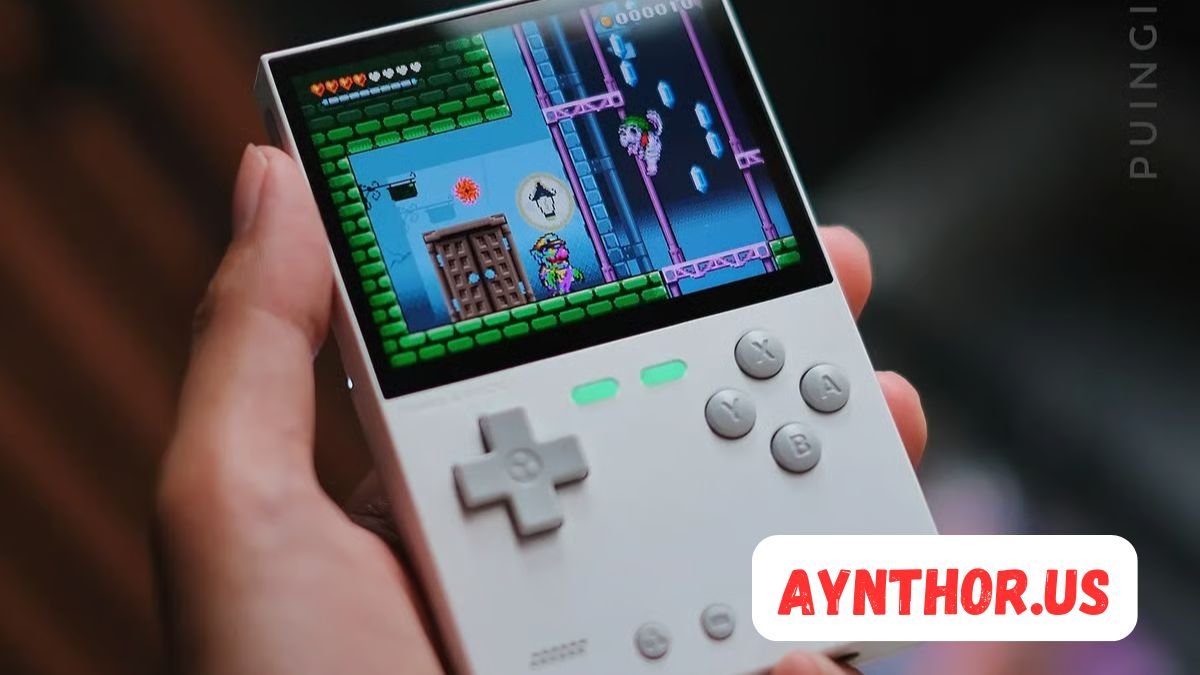
Best Retro Gaming Handheld: The Complete Guide to Choosing the Perfect Portable Console
Introduction
The best retro gaming handheld is more than just a portable gaming device. It is a gateway to thousands of classic games that defined entire generations. Whether you grew up playing Nintendo, Sega, PlayStation, Atari, or arcade classics, today’s retro handheld consoles let you enjoy those timeless titles almost anywhere. Modern technology has made these devices smaller, faster, and more capable than ever before, making retro gaming more accessible than it has ever been.
Retro gaming has seen an incredible rise in popularity over the last few years. Many gamers are looking for ways to revisit childhood favorites without spending hundreds of dollars on original hardware. At the same time, younger players are discovering classic games for the first time. This growing demand has encouraged manufacturers to create portable handhelds that emulate multiple gaming systems while offering excellent battery life, beautiful displays, and impressive performance.
Choosing the best retro gaming handheld isn’t always simple because there are dozens of options available. Some focus on affordability, while others aim to deliver premium performance capable of running demanding consoles. Understanding the differences between these devices can help you make a purchase you’ll enjoy for years.
In this comprehensive guide, we’ll cover everything you need to know before buying a retro gaming handheld. You’ll learn about important features, hardware specifications, software support, emulator compatibility, display quality, battery performance, and much more. By the end of this guide, you’ll have a clear understanding of which handheld is the best fit for your gaming style.
Why Retro Gaming Handhelds Are More Popular Than Ever
Retro gaming has transformed from a niche hobby into a worldwide trend. Millions of gamers now appreciate the simplicity, creativity, and nostalgia that older games provide. Unlike many modern games, classic titles often focus on pure gameplay instead of complex graphics or online features. That timeless design keeps players coming back year after year.
Portable retro handhelds make these games even more enjoyable because they eliminate the need for bulky consoles, old televisions, and expensive cartridges. Everything fits into a lightweight device that easily slips into a backpack or even a large pocket. Whether you’re traveling, relaxing at home, or taking a break during lunch, your favorite classics are always available.
Another reason for their popularity is the rapid improvement in hardware. Earlier handheld emulators struggled with performance, limited battery life, and poor displays. Today’s devices feature powerful processors, vibrant IPS or OLED screens, comfortable controls, and reliable software. Many can even emulate consoles that were once considered impossible on portable hardware.
The growing online community has also contributed to their success. Users regularly share custom firmware, emulator settings, performance tweaks, game recommendations, and accessories. This active community helps new users get started while continuously improving the overall experience.
What Makes the Best Retro Gaming Handheld?
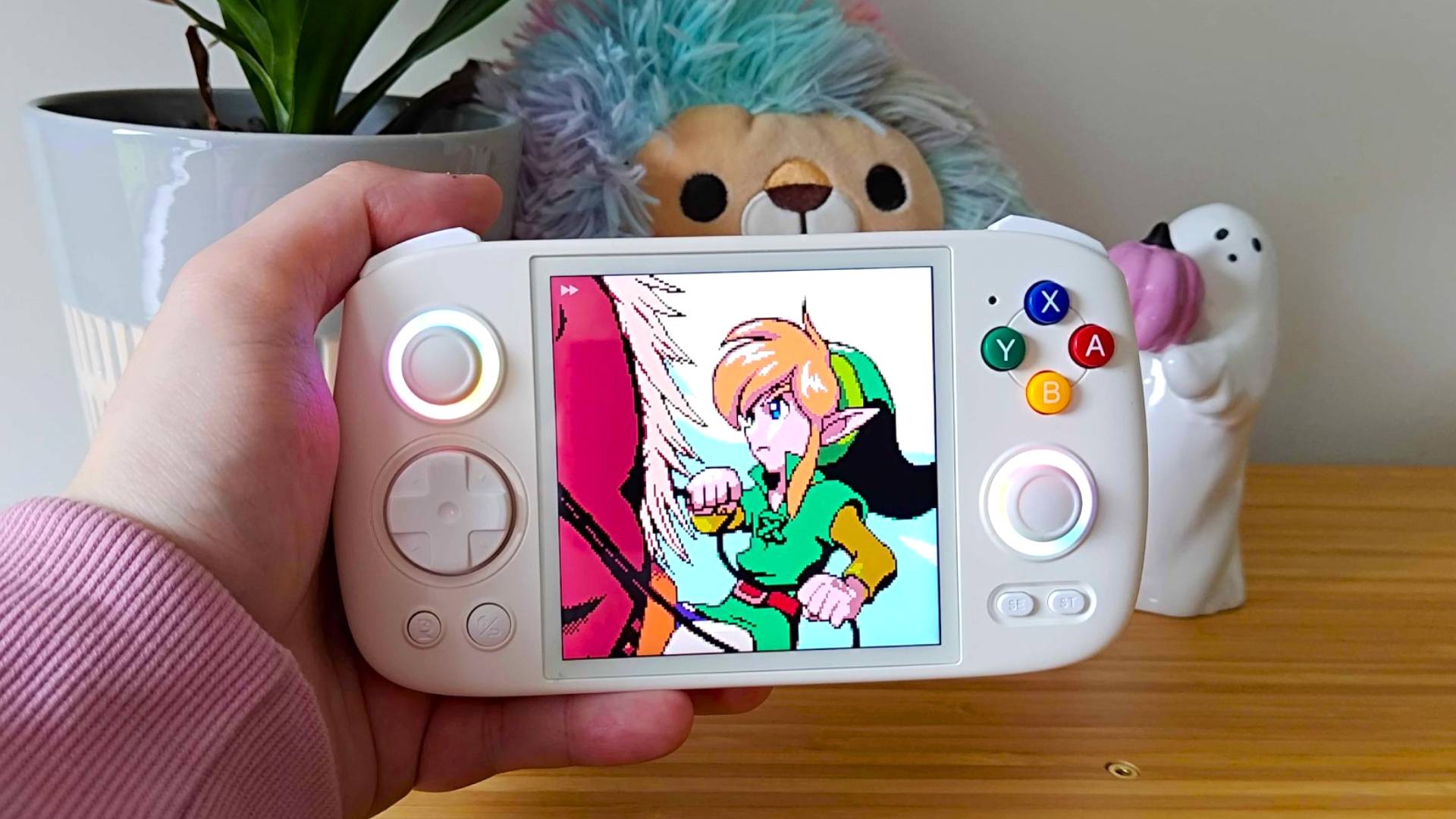
Finding the best retro gaming handheld involves much more than looking at the price. Every component plays an important role in delivering a satisfying gaming experience. Understanding these factors makes comparing devices much easier.
Performance is one of the biggest considerations. A handheld with a faster processor and more RAM can emulate newer gaming systems without noticeable slowdowns. If your goal is playing Game Boy, SNES, or Sega Genesis games, almost any modern handheld will work well. However, if you want PlayStation 2, GameCube, Dreamcast, or PSP games, you’ll need considerably more powerful hardware.
Display quality is equally important. Many retro games feature colorful pixel art that looks amazing on high-quality screens. IPS displays offer excellent viewing angles and accurate colors, while OLED screens provide deeper blacks and stronger contrast. A sharp display can dramatically improve your gaming experience.
Comfort also matters. Since you’ll likely spend hours gaming, the handheld should feel comfortable in your hands. Well-designed grips, responsive buttons, quality analog sticks, and properly positioned triggers all contribute to long gaming sessions without fatigue.
Software support should never be overlooked. Devices with active firmware updates often receive improved compatibility, bug fixes, and new features over time. Strong software support also makes setup much easier for beginners.
Battery life is another major factor. A powerful handheld isn’t very useful if it only lasts two hours. Many modern retro handhelds now offer between six and ten hours of gameplay depending on the emulator and brightness settings.
Understanding Emulation and Why It Matters
Emulation is the technology that allows modern hardware to imitate older gaming consoles. Instead of needing dozens of original systems, one handheld can simulate many different platforms using specialized software called emulators.
Each emulator is designed for a specific console. For example, one emulator may run Nintendo Entertainment System games while another focuses on PlayStation Portable titles. The quality of these emulators determines how accurately games perform.
Some consoles are easier to emulate than others. Systems like NES, Game Boy, Sega Genesis, and Super Nintendo require relatively little processing power. Nearly every modern handheld can run these games smoothly with excellent compatibility.
More advanced systems such as Nintendo 64, Sega Saturn, Dreamcast, PlayStation 2, and Nintendo GameCube require significantly stronger processors. Achieving full-speed performance often depends on both hardware power and emulator optimization.
One advantage of emulation is the ability to improve older games. Many handhelds support save states, fast-forward functions, custom shaders, higher rendering resolutions, widescreen patches, and controller customization. These enhancements create an experience that often surpasses the original hardware.
Understanding emulation also helps buyers avoid unrealistic expectations. A budget handheld cannot always emulate demanding consoles perfectly, while premium devices are better equipped to handle modern emulation challenges.
Display Quality Makes a Huge Difference
The display is one of the first things you’ll notice when using any handheld gaming console. A high-quality screen brings classic games to life and makes every gaming session more enjoyable.
Most current retro handhelds use IPS LCD displays because they offer vibrant colors, wide viewing angles, and consistent brightness. Compared to older TN panels, IPS screens provide a much more attractive image with better color accuracy.
Some premium handhelds now feature OLED technology. OLED displays produce incredibly deep blacks because each pixel generates its own light. This creates exceptional contrast, making retro pixel art look sharper and more colorful.
Screen resolution also plays an important role. While retro games were originally designed for low-resolution televisions, modern displays scale them intelligently. Higher-resolution screens produce cleaner images and allow users to apply advanced filters without sacrificing clarity.
Brightness is another important factor for portable gaming. If you frequently play outdoors or while traveling, a brighter display remains visible under sunlight. Anti-glare coatings also improve visibility in bright environments.
Touchscreen functionality has become increasingly common. Although many retro games don’t require touch controls, Android-based handhelds benefit from touchscreen navigation, making menus, settings, and applications easier to use.
Processor Performance and Gaming Power
The processor is the heart of every retro gaming handheld. It determines how many gaming systems the device can emulate and how smoothly games perform during gameplay.
Entry-level handhelds usually include processors capable of running classic consoles such as NES, SNES, Game Boy, Game Boy Advance, Sega Genesis, Neo Geo, and arcade systems. These affordable devices are excellent choices for beginners who mainly enjoy older games.
Mid-range handhelds introduce considerably more processing power. They often handle Nintendo 64, Dreamcast, PSP, Nintendo DS, and some GameCube titles with impressive results. These devices strike a balance between price and performance.
High-end retro handhelds feature smartphone-grade processors capable of emulating PlayStation 2, Nintendo GameCube, Wii, and even certain Nintendo Switch games. While not every title runs perfectly, performance continues improving through software updates.
Graphics processors also contribute significantly to emulation quality. Advanced GPUs allow higher rendering resolutions, smoother frame rates, improved shaders, and enhanced graphical effects. These improvements make classic games look better than they ever did on their original consoles.
Cooling systems are another important consideration. Powerful processors generate heat during long gaming sessions. Efficient cooling prevents thermal throttling, allowing consistent performance without noticeable slowdowns.
Storage and Game Library Management
Storage capacity is often overlooked until users begin building large game libraries. Fortunately, most retro handhelds offer flexible storage options.
Many devices include internal storage ranging from 16GB to 256GB. While this is enough for smaller consoles, newer systems like PlayStation 2 and GameCube require much larger game files. A single PS2 game can easily occupy several gigabytes.
MicroSD card support solves this problem. Many handhelds support cards up to 512GB or even 1TB, allowing users to carry thousands of games without constantly managing storage space.
Organizing your game collection is equally important. Modern front-end software automatically sorts games by console, genre, developer, release year, or favorites. Some systems even download artwork, gameplay videos, and game descriptions to create a polished interface.
Backup functionality also adds peace of mind. Save files, settings, and custom firmware can usually be backed up to external storage, ensuring your progress remains safe even if you upgrade devices in the future.
Large storage capacity becomes especially valuable for gamers who enjoy exploring multiple gaming generations. Instead of choosing between systems, you can keep nearly your entire retro collection in one portable device.
Operating Systems Used in Retro Gaming Handhelds
The operating system influences nearly every aspect of the user experience. It determines how games are launched, how settings are managed, and how easily new software can be installed.
Linux-based handhelds are popular among retro gaming enthusiasts because they offer simplicity and efficiency. These systems boot quickly, consume minimal resources, and focus almost entirely on gaming performance. Popular custom firmware options often add additional features while improving emulator compatibility.
Android-based handhelds provide greater flexibility. Besides retro gaming, users can install streaming applications, cloud gaming services, web browsers, and Android games directly from supported app stores. This versatility appeals to gamers who want more than just emulation.
Some advanced handhelds even support dual operating systems. Users can switch between Android and Linux depending on their gaming needs. Linux may provide better retro performance, while Android offers broader software compatibility.
Custom firmware has become one of the biggest strengths of many handheld communities. Independent developers continuously improve interfaces, emulator settings, battery management, and overall stability. This ongoing support often extends the lifespan of devices far beyond their original release.
A user-friendly interface makes a noticeable difference, especially for beginners. Easy navigation, clear menus, automatic emulator configuration, and attractive game libraries reduce setup time and allow players to focus on enjoying their favorite classics instead of troubleshooting technical issues.
Battery Life and Charging Performance
Battery life is one of the most important factors when choosing the best retro gaming handheld. After all, the whole point of owning a portable gaming console is being able to play anywhere without constantly looking for a power outlet. Fortunately, today’s handhelds have improved significantly in this area, offering much longer gaming sessions than earlier generations.
Most modern retro handhelds can provide anywhere from five to ten hours of gameplay depending on the system you’re emulating. Simpler consoles like the Game Boy, NES, or Sega Genesis use very little processing power, allowing the battery to last much longer. More demanding systems such as PlayStation 2 or Nintendo GameCube consume additional power, which naturally shortens battery life.
Screen brightness also affects battery performance. Playing indoors at medium brightness often extends battery life considerably compared to using maximum brightness outdoors. Wi-Fi, Bluetooth, and background applications can also reduce battery performance if left enabled when not needed.
USB-C charging has become the standard for nearly every quality retro handheld. Fast charging allows many devices to reach a significant battery level within an hour, making it easy to recharge before your next gaming session. Some handhelds even support charging while playing, allowing uninterrupted gaming during longer trips.
Controls That Feel Comfortable During Long Sessions

A powerful processor means very little if the controls aren’t comfortable. The best handhelds combine responsive buttons with thoughtful ergonomics to create an enjoyable gaming experience that lasts for hours.
Directional pads remain essential because many classic games rely almost entirely on digital movement. A high-quality D-pad should feel responsive without being overly stiff or loose. Fighting games, platformers, puzzle games, and RPGs all benefit from precise directional inputs.
Modern handhelds also include analog sticks for newer systems like Nintendo 64, Dreamcast, PSP, GameCube, and PlayStation 2. Hall Effect analog sticks have become increasingly popular because they reduce stick drift and offer longer durability compared to traditional joystick designs.
Shoulder buttons and triggers should be easy to reach without forcing your hands into uncomfortable positions. Racing games, shooters, and action games frequently rely on these buttons, making their placement especially important.
Weight distribution is another overlooked factor. Even a lightweight handheld can become uncomfortable if its weight isn’t balanced properly. Premium handhelds are designed to distribute weight evenly across both hands, reducing fatigue during marathon gaming sessions.
Audio Quality Enhances the Experience
Classic games are remembered not only for their gameplay but also for their unforgettable music and sound effects. Great speakers allow you to fully appreciate those memorable soundtracks while playing on the go.
Stereo speakers have become standard on most quality retro handhelds. Well-positioned speakers produce balanced sound without being blocked by your hands during gameplay. This improves immersion whether you’re exploring RPG worlds or enjoying fast-paced arcade action.
Many handhelds also include high-quality headphone jacks. Wired headphones still offer lower latency than wireless options, making them ideal for rhythm games and titles where precise timing matters.
Bluetooth audio support has become increasingly common. Wireless earbuds and headphones provide added convenience, especially during travel. While slight audio delay may occur on some devices, newer Bluetooth standards have significantly reduced this issue.
Some premium handhelds even include built-in equalizer settings, allowing players to customize bass, treble, and overall sound profiles according to personal preference. Although audio customization isn’t essential, it adds another level of personalization for dedicated gamers.
Connectivity Features Worth Having
Retro handhelds have evolved far beyond simple gaming devices. Many now include modern connectivity features that improve convenience and expand functionality.
Wi-Fi support enables firmware updates, cloud synchronization, multiplayer gaming, and downloading additional applications. Active internet connectivity also allows users to browse online game databases, retrieve artwork, and update emulator cores directly from the handheld.
Bluetooth provides support for wireless controllers, headphones, keyboards, and other accessories. This flexibility makes handhelds useful not only for portable gaming but also for home entertainment.
HDMI output is another valuable feature. Many handhelds allow players to connect directly to televisions or monitors, instantly transforming the portable console into a living room gaming system. Pairing wireless controllers with HDMI output creates an experience similar to traditional home consoles.
USB connectivity further increases versatility. External storage, keyboards, wired controllers, and charging accessories all benefit from standard USB ports. Some advanced devices even support USB-C display output alongside charging.
Cloud save synchronization has also become more common. Players can continue gaming across multiple devices without losing progress, making portable gaming even more convenient for those who switch between handheld and desktop emulators.
Popular Gaming Systems You Can Emulate
One of the biggest reasons gamers search for the best retro gaming handheld is the incredible variety of gaming systems these devices can emulate. Instead of carrying multiple consoles, one handheld can provide access to decades of gaming history.
Most entry-level handhelds easily emulate classic systems including the Nintendo Entertainment System, Super Nintendo, Game Boy, Game Boy Color, Game Boy Advance, Sega Master System, Sega Genesis, Atari 2600, Neo Geo, and arcade platforms. These consoles contain thousands of timeless games that still hold up remarkably well today.
Mid-range handhelds add support for PlayStation 1, Nintendo 64, Dreamcast, PSP, Nintendo DS, and Sega Saturn. These systems introduced more advanced graphics, larger game worlds, and richer gameplay experiences while remaining relatively accessible for modern hardware.
Premium handhelds extend compatibility to PlayStation 2, Nintendo GameCube, Nintendo Wii, and selected Nintendo Switch titles. Although perfect compatibility isn’t guaranteed for every game, performance continues improving thanks to better hardware and emulator development.
Many handhelds also support DOS games, home computer systems, and fan-made ports of classic PC titles. This broad compatibility transforms a single portable device into a complete gaming museum covering several decades of interactive entertainment.
Custom Firmware and Community Support
The strength of the retro gaming community is one of the biggest reasons handheld gaming continues growing every year. Active communities develop custom firmware, performance improvements, user interface enhancements, and countless tutorials for new users.
Custom firmware often delivers noticeable improvements over factory software. Better battery management, cleaner interfaces, faster boot times, improved emulator compatibility, and additional customization options are common upgrades provided by community developers.
Online communities also maintain compatibility lists showing exactly how well different games perform on specific devices. These resources help buyers choose handhelds that match the consoles they intend to emulate most frequently.
Tutorials make setup much easier for beginners. Instead of struggling with emulator settings, users can follow step-by-step guides covering installation, firmware updates, ROM organization, BIOS configuration, and controller mapping.
Community-created themes allow users to personalize the appearance of their handheld. Everything from menu layouts to icons and animations can often be customized, giving each device a unique personality.
Perhaps most importantly, community support keeps older handhelds relevant for years after release. Even discontinued devices often continue receiving improvements thanks to passionate developers who enjoy maintaining them.
Accessories That Improve Your Gaming Experience
Although retro handhelds work perfectly on their own, the right accessories can make ownership even more enjoyable. Fortunately, there are many affordable upgrades worth considering.
Protective carrying cases help prevent scratches, cracked screens, and accidental damage during travel. A well-designed case also provides storage space for charging cables, memory cards, earbuds, and cleaning cloths.
Screen protectors are another inexpensive investment. Tempered glass protectors preserve display quality while protecting against everyday scratches and minor impacts. Installing one immediately after purchasing your handheld is usually recommended.
High-capacity microSD cards provide plenty of room for larger game libraries. Faster cards also reduce loading times when launching games or navigating extensive collections.
Portable power banks extend gaming sessions during long trips. Since most handhelds charge through USB-C, compatible power banks can recharge the device multiple times before needing their own recharge.
External controllers become especially useful when connecting the handheld to a television through HDMI. Wireless gamepads transform the handheld into a home console suitable for multiplayer gaming with friends and family.
Retro Gaming Beyond Nostalgia
Many people assume retro gaming is driven entirely by nostalgia, but that isn’t always true. Plenty of younger gamers who never owned the original consoles have developed a genuine appreciation for classic games.
Older games often focus on gameplay mechanics instead of cinematic presentation. Developers worked within strict hardware limitations, forcing them to create creative level designs, memorable music, and rewarding gameplay loops that remain enjoyable decades later.
Retro games also tend to respect players’ time. Many can be enjoyed in shorter sessions without requiring lengthy tutorials, massive downloads, or constant internet connections. This convenience fits well into today’s busy lifestyles.
Pixel art has become an artistic style rather than a technological limitation. Many independent developers continue creating games inspired by classic graphics because they appreciate the timeless visual appeal of carefully crafted sprites.
Learning gaming history is another benefit. Experiencing older titles helps players understand how modern franchises evolved over the years. Many gameplay mechanics that seem ordinary today actually originated decades ago on these classic systems.
Common Mistakes Buyers Should Avoid
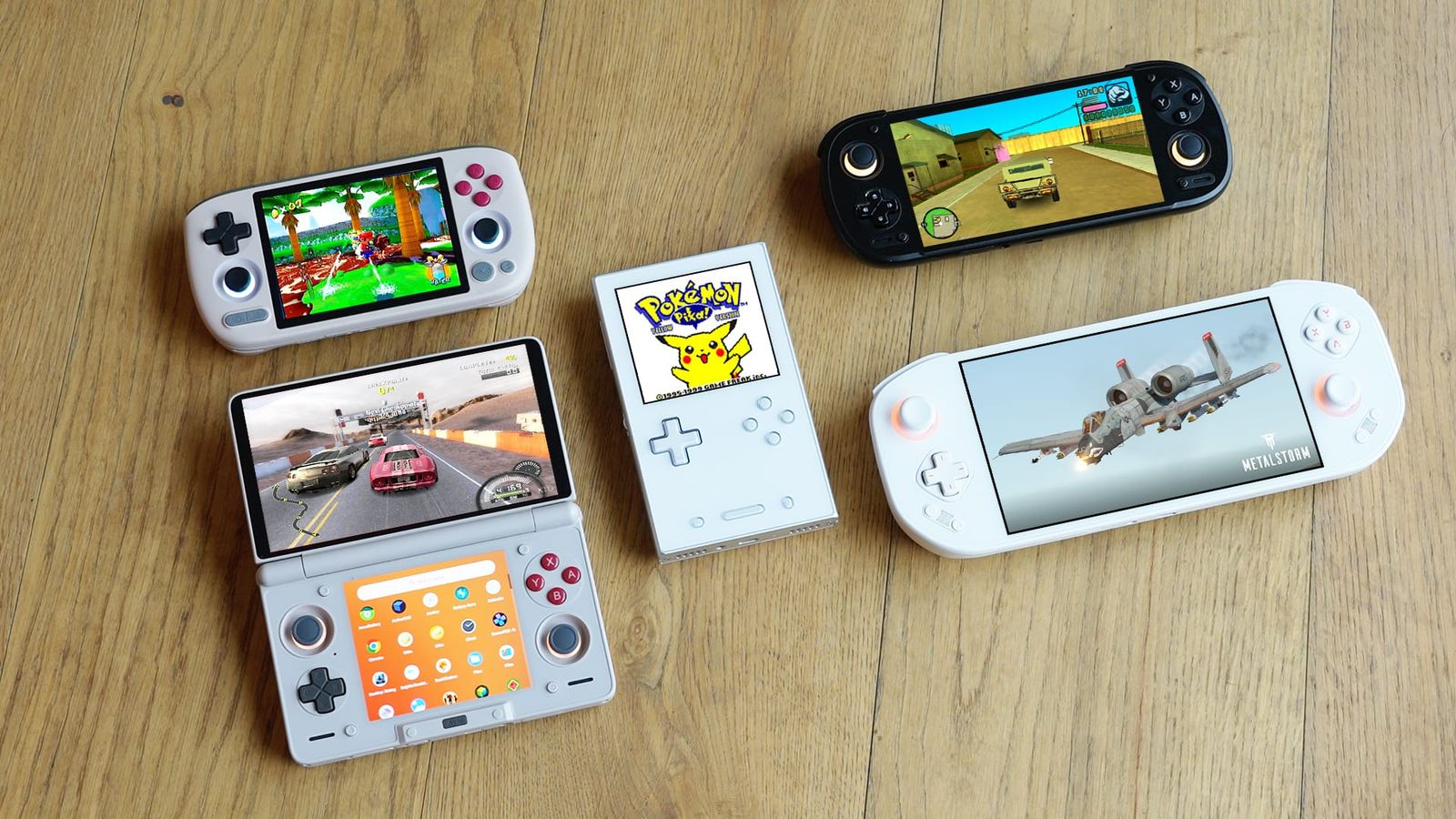
Buying your first retro handheld can feel overwhelming because of the large number of available options. Avoiding several common mistakes makes the purchasing process much easier.
One frequent mistake is focusing only on processor power. While performance matters, display quality, controls, battery life, software support, and comfort are equally important. A balanced handheld usually provides a better overall experience than one with impressive specifications but poor usability.
Another mistake involves unrealistic expectations. Budget handhelds cannot perfectly emulate every console. Understanding each device’s strengths helps avoid disappointment after purchase.
Ignoring community support can also be costly. Handhelds backed by active communities generally receive firmware updates, bug fixes, and compatibility improvements long after their initial release. Devices without community support may quickly become outdated.
Some buyers underestimate storage requirements. As game collections grow, larger memory cards become essential. Purchasing a quality microSD card from the beginning often saves money in the long run.
Finally, many beginners overlook ergonomics. Reading reviews about comfort, button quality, and weight distribution is just as important as comparing hardware specifications. Even the most powerful handheld becomes less enjoyable if it feels uncomfortable during extended gaming sessions.
How to Choose the Best Retro Gaming Handheld for Your Needs
Choosing the best retro gaming handheld ultimately depends on your gaming preferences, budget, and expectations. There isn’t a single handheld that is perfect for everyone because every player values different features. Some gamers prioritize raw performance, while others care more about portability, battery life, or affordability.
Start by thinking about the systems you want to emulate. If your goal is to play Game Boy, NES, SNES, Sega Genesis, and PlayStation 1 games, you don’t need to spend a fortune on a flagship handheld. Many affordable devices handle these systems flawlessly while offering excellent battery life and compact designs.
If you plan to play GameCube, PlayStation 2, Wii, or other demanding consoles, investing in a more powerful handheld makes sense. These systems require stronger processors, more RAM, and better graphics hardware. Although premium handhelds cost more, they provide smoother gameplay and broader compatibility with newer consoles.
Also consider how you’ll use your handheld. Frequent travelers may appreciate lightweight devices with long battery life, while gamers who mostly play at home might prefer larger screens, HDMI output, and more powerful hardware. Matching the handheld to your lifestyle ensures you’ll enjoy using it every day instead of leaving it on a shelf.
Maintaining Your Retro Gaming Handheld
Proper care helps your handheld perform well for many years. Fortunately, maintaining these devices doesn’t require much effort, but a few simple habits can make a significant difference.
Keep your screen clean using a soft microfiber cloth designed for electronics. Avoid harsh cleaning chemicals that may damage protective coatings or leave streaks. Cleaning the display regularly keeps games looking sharp and vibrant.
Protect the device from dust and moisture whenever possible. Although many handhelds are well-built, they generally aren’t waterproof. Storing the console inside a protective carrying case reduces the risk of accidental damage while traveling.
Battery health also deserves attention. Modern lithium batteries last longer when they aren’t constantly discharged to zero percent. Charging before the battery becomes completely empty and avoiding excessive heat can extend its lifespan considerably.
Updating firmware whenever new versions become available is equally important. Software updates often improve emulator compatibility, fix bugs, optimize battery performance, and introduce useful features. Spending a few minutes updating your handheld can noticeably improve the overall experience.
The Future of Retro Gaming Handhelds
The retro gaming market continues evolving at an impressive pace. Every year brings more powerful processors, brighter displays, improved controls, and better software. What seemed impossible just a few years ago is now available in devices that fit comfortably into your hands.
Artificial intelligence may also influence future handhelds by improving upscaling, texture enhancement, and emulator optimization. AI-powered software could eventually make classic games appear even sharper while preserving their original artistic style.
Display technology continues improving as well. OLED screens are becoming more affordable, while higher refresh rates and increased brightness make handheld gaming more enjoyable in every environment. Future models will likely continue reducing bezels while maximizing screen size.
Cloud gaming may also become a larger part of the retro gaming experience. Instead of relying entirely on local hardware, future handhelds could seamlessly combine emulation with streaming services, allowing players to enjoy both classic and modern games from a single device.
Despite these technological advances, the core appeal of retro gaming will remain unchanged. Great gameplay never goes out of style, and classic games will continue attracting both longtime fans and newcomers for many years to come.
Why Retro Gaming Remains Timeless
Gaming technology has changed dramatically over the past several decades, yet retro games continue to attract millions of players worldwide. Their enduring popularity isn’t based solely on nostalgia. Instead, it’s rooted in thoughtful game design that still feels enjoyable today.
Classic games often feature straightforward objectives that are easy to understand but difficult to master. This balance creates rewarding gameplay that keeps players engaged without requiring lengthy tutorials or constant online connectivity.
Many retro titles also encourage creativity and experimentation. Limited hardware forced developers to focus on imaginative mechanics, memorable characters, and clever level design rather than relying on advanced graphics alone. As a result, many of these games remain fun regardless of their age.
Another reason retro gaming remains relevant is accessibility. Whether you have five minutes or several hours to play, classic games fit naturally into almost any schedule. They load quickly, save easily, and rarely demand large updates or internet connections.
Perhaps most importantly, retro games represent the foundation of modern gaming. Playing these classics provides a deeper appreciation for today’s titles while allowing players to experience some of the industry’s greatest achievements firsthand.
Final Thoughts
Finding the best retro gaming handheld doesn’t have to be complicated. The ideal device is simply the one that matches your favorite games, preferred features, and budget. Whether you’re interested in classic Nintendo adventures, Sega arcade hits, PlayStation favorites, or countless other legendary titles, today’s handhelds make enjoying those experiences easier than ever.
Before making your purchase, compare processing power, display quality, battery life, ergonomics, operating system, storage capacity, and community support. Looking beyond specifications helps ensure you’ll choose a handheld that remains enjoyable long after the excitement of opening the box has passed.
The retro gaming community continues growing every year, and manufacturers keep introducing better hardware with improved software support. That means there has never been a better time to explore portable retro gaming. Whether you’re rediscovering childhood memories or experiencing classic games for the very first time, a quality handheld can provide thousands of hours of entertainment.
If you’re looking for more gaming guides, technology reviews, buying advice, and expert recommendations, be sure to visit Aynthor at https://aynthor.us/. Staying informed helps you choose the right devices while getting the most from your gaming experience.
FAQs
What is the best retro gaming handheld?
The best retro gaming handheld depends on your budget, preferred consoles, and desired features.
Can retro handhelds play PlayStation 2 games?
Yes, many premium retro handhelds can emulate a large number of PlayStation 2 games.
Are retro gaming handhelds legal?
Owning a retro gaming handheld is legal, but you should only use game files that you legally own.
Do I need an internet connection to play retro games?
No, most retro games can be played completely offline after setup.
Which operating system is better for retro gaming?
Both Linux and Android are excellent, with Linux offering simplicity and Android providing more flexibility.
How much storage do I need for a retro handheld?
A 128GB or 256GB microSD card is sufficient for most users, while larger collections benefit from 512GB or more.
Can I connect a retro handheld to my TV?
Many modern retro handhelds support HDMI or USB-C video output for TV gaming.
Are retro gaming handhelds suitable for beginners?
Yes, many models are beginner-friendly and feature simple interfaces with easy setup.
Can I save my progress in retro games?
Yes, most emulators support both in-game saves and save states.
How long does the battery last on a retro gaming handheld?
Battery life typically ranges from 5 to 10 hours depending on the hardware and games being played.
Which consoles can most retro handhelds emulate?
Most devices support systems like NES, SNES, Game Boy, Genesis, PlayStation 1, PSP, Dreamcast, and more.
Are expensive retro handhelds worth buying?
If you want to emulate demanding consoles like GameCube or PlayStation 2, premium handhelds are often worth the investment.
Can I use wireless controllers with a retro handheld?
Many handhelds support Bluetooth controllers for a more comfortable gaming experience.
Do retro handhelds receive software updates?
Yes, many manufacturers and community developers regularly release firmware updates.
Where can I learn more about retro gaming and handheld devices?
You can explore more gaming articles, guides, and technology content by visiting https://aynthor.us/
Also read: ES-DE: The Complete Guide to the EmulationStation Desktop Edition Frontend






Post Comment