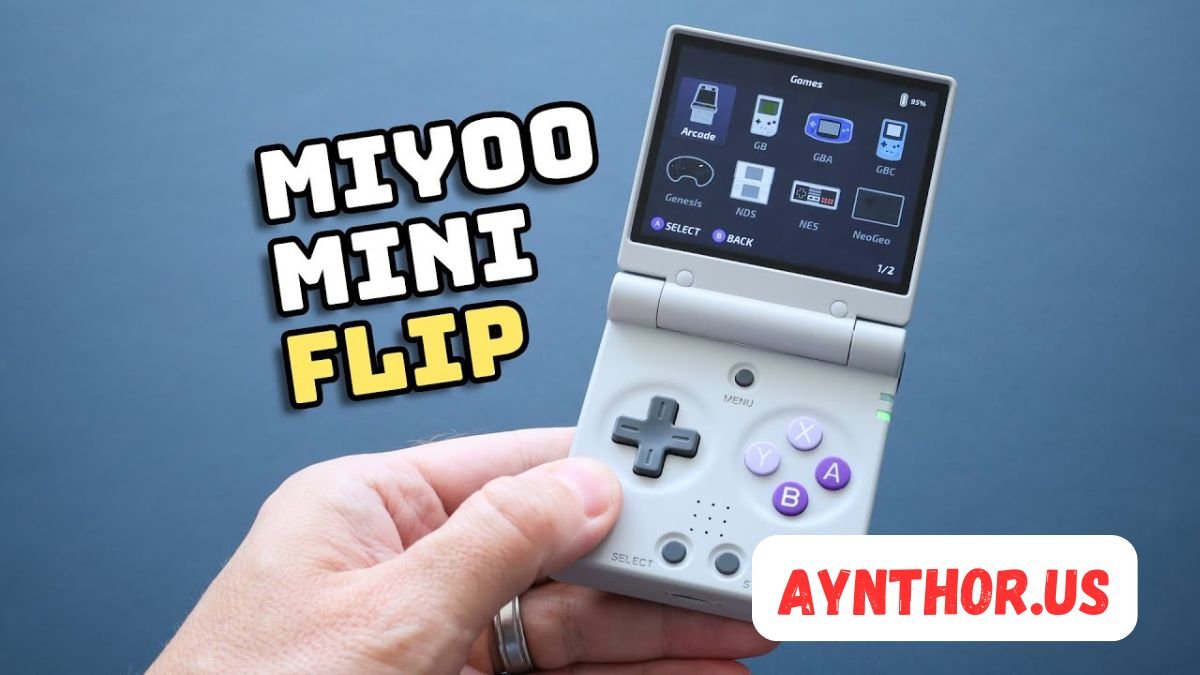
Miyoo Mini Flip Review: Is This the Best Clamshell Retro Handheld for Classic Gaming?
Introduction
Retro handheld gaming has become more popular than ever, and companies continue to release devices that promise the perfect mix of portability, performance, and nostalgia. Among these, the Miyoo Mini Flip has created significant excitement because it combines the classic flip-phone design with modern retro gaming hardware. Many gamers have been waiting to see whether this handheld can live up to the reputation established by the original Miyoo Mini series.
This Miyoo Mini Flip review takes a close look at every important aspect of the device, including its build quality, display, controls, software, battery life, and overall gaming experience. Instead of focusing only on specifications, miyoo mini flip review also explores how the handheld performs during everyday use. After all, a retro console can have impressive hardware on paper but still fail to provide an enjoyable gaming experience if the software or controls are lacking.
The retro gaming market has become increasingly competitive. Devices from Anbernic, Retroid, Powkiddy, and TrimUI all compete for attention, making it difficult to decide which handheld deserves your money. The Miyoo Mini Flip enters this crowded market with a unique folding design that instantly separates it from the competition. While its appearance certainly attracts attention, the real question is whether the hardware and software are equally impressive.
One of the biggest reasons people are interested in the Miyoo Mini Flip is portability. Unlike many handhelds that require protective cases, the flip design naturally protects the screen while making the device easier to carry in a pocket. This approach reminds many gamers of classic handheld consoles and flip phones from years ago, creating an instant feeling of nostalgia before even launching a game.
Throughout this review, we’ll examine whether the Miyoo Mini Flip is worth buying, who it’s designed for, and whether it deserves a place among today’s best retro handhelds. Whether you’re completely new to retro gaming or already own several portable emulation devices, this guide will help you understand exactly what the Miyoo Mini Flip offers.
miyoo mini flip review: First Impressions and Design
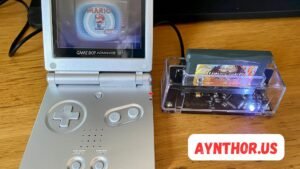
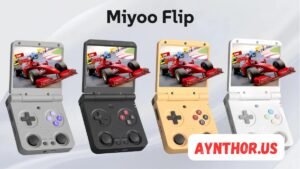
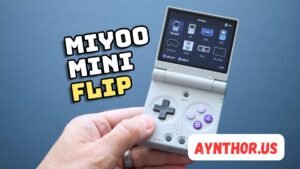
The first thing you’ll notice about the Miyoo Mini Flip is its distinctive appearance. Unlike traditional horizontal handhelds, this console folds shut just like the classic Game Boy Advance SP. This design choice immediately makes it stand out from dozens of competing retro handhelds that often share similar shapes and layouts.
Holding the console for the first time feels surprisingly comfortable. The hinge has a reassuring amount of resistance, making it feel secure rather than flimsy. Opening and closing the device becomes satisfying after only a few minutes of use, and the overall construction gives the impression that Miyoo paid close attention to durability. While it isn’t built like an industrial device, it certainly doesn’t feel cheap.
The compact dimensions make portability one of its strongest features. It easily slips into jeans pockets, jacket pockets, backpacks, or small carrying pouches without taking up much space. Since the display folds inward, users don’t have to worry nearly as much about scratches compared to handhelds with permanently exposed screens.
The plastic shell has a pleasant texture that avoids feeling overly glossy or slippery. Fingerprints are less noticeable than on many competing handhelds, which helps the device maintain a clean appearance even after extended gaming sessions. Depending on the available color options, buyers can choose between classic retro-inspired looks and more modern finishes.
Button placement appears thoughtfully planned. The face buttons, D-pad, analog sticks if included, triggers, and shoulder buttons are positioned where your fingers naturally rest. Even users with medium-sized hands generally find the layout comfortable during shorter gaming sessions.
Another pleasant surprise is the weight. The Miyoo Mini Flip feels light enough for extended portable use without feeling hollow or fragile. Finding the right balance between sturdiness and portability is difficult, but Miyoo seems to have achieved that balance quite well.
The hinge deserves special mention because it’s arguably the defining feature of the entire device. A poor hinge could ruin the experience, but fortunately the mechanism feels stable and inspires confidence. It opens smoothly, stays firmly in position, and closes with a satisfying click that enhances the premium feeling.
Overall, first impressions are very positive. The Miyoo Mini Flip immediately communicates that it was designed for gamers who value portability, nostalgia, and everyday usability rather than simply chasing the most powerful hardware.
Display Quality and Visual Experience
The display is one of the most important parts of any retro handheld, and fortunately the Miyoo Mini Flip delivers an enjoyable viewing experience. Whether you’re playing classic Game Boy titles or colorful PlayStation games, the screen remains sharp, vibrant, and pleasant to look at throughout long gaming sessions.
Color reproduction is impressive considering the price category. Bright games appear vivid without looking oversaturated, while darker scenes retain enough detail to avoid becoming muddy. Older pixel-art games especially benefit from the display because sprites remain crisp and easy to distinguish.
Viewing angles are another strength. You can tilt the console slightly without major color shifts or brightness loss. This makes it easier to adjust your grip while continuing to enjoy a consistent image quality, something that’s surprisingly important during long play sessions.
Brightness levels should satisfy most users. Indoor gaming presents no issues whatsoever, while outdoor visibility depends on direct sunlight. In shaded environments or cloudy weather, the display remains perfectly usable. Under intense sunlight, reflections naturally become more noticeable, although this is common among handheld gaming devices.
The display resolution complements retro gaming extremely well. Pixel-art graphics appear clean without excessive smoothing, allowing classic games to retain their original charm. Players who appreciate authentic visuals will likely enjoy how older consoles are represented on this screen.
Another advantage is the relatively small display size, which actually works in favor of retro games. Lower-resolution titles often look sharper on smaller screens because individual pixels blend together naturally, creating an image that’s pleasing without requiring heavy software scaling.
Motion handling is generally smooth across supported systems. Fast platformers, racing games, and action titles remain responsive, while scrolling backgrounds maintain a fluid appearance. Screen tearing is rarely noticeable during normal gameplay.
Perhaps the greatest compliment to the display is that after several hours of gaming, it simply fades into the background. Instead of constantly noticing flaws or distractions, players become immersed in their games, which is exactly what a quality handheld screen should accomplish.
Miyoo mini flip review: Performance and Hardware Specifications

Performance is where many retro handhelds either impress or disappoint. Fortunately, the Miyoo Mini Flip aims to strike a practical balance by providing enough power for the systems most retro gamers actually want to emulate rather than chasing unrealistic expectations.
For classic systems like the NES, SNES, Game Boy, Game Boy Color, Game Boy Advance, Sega Genesis, PC Engine, Neo Geo, and arcade platforms, performance is generally excellent. Games launch quickly, maintain stable frame rates, and rarely experience slowdowns under normal conditions.
PlayStation emulation is another strong point. Many PS1 games run smoothly with accurate audio and responsive controls. Racing games, RPGs, platformers, and fighting games all feel enjoyable, making the handheld a great choice for revisiting one of gaming’s most beloved generations.
Performance becomes more variable when moving toward newer systems. Depending on the hardware configuration and emulator optimization, some demanding consoles may experience occasional frame drops or compatibility limitations. Fortunately, most buyers interested in the Miyoo Mini Flip primarily focus on older retro libraries where the device performs confidently.
System navigation also feels responsive. Menus open quickly, game libraries load without excessive delays, and switching between applications generally feels smooth. Fast navigation contributes significantly to the overall user experience because players spend less time waiting and more time gaming.
Thermal management appears well controlled. Even after extended gaming sessions, the console becomes only moderately warm rather than uncomfortably hot. Efficient heat management not only improves comfort but may also contribute to longer hardware lifespan.
Storage flexibility is another welcome feature. Support for expandable microSD cards allows users to build extensive game libraries without constantly worrying about available space. Since retro collections can grow surprisingly large, expandable storage remains one of the most valuable features in handheld gaming.
Boot times are relatively quick, helping the device feel ready whenever you want to play. Combined with sleep functionality, users can jump back into their favorite games within seconds, making the Miyoo Mini Flip ideal for short gaming sessions throughout the day.
Overall, the hardware emphasizes consistency over raw power. Rather than trying to emulate every modern console, it focuses on providing a polished experience for classic gaming, which ultimately aligns well with the expectations of most retro enthusiasts.
Controls, Buttons, and Overall Comfort
Controls can make or break a handheld gaming experience, and the Miyoo Mini Flip performs surprisingly well in this area. Every button contributes to the overall feel of the device, and it’s clear that Miyoo invested considerable effort into refining the control layout instead of treating it as an afterthought.
The D-pad is arguably one of the best aspects of the handheld. Directional inputs feel accurate and responsive, making platformers, fighting games, puzzle games, and RPGs enjoyable to play. Diagonal inputs register reliably without requiring excessive pressure, something that experienced retro gamers immediately appreciate.
Face buttons offer satisfying tactile feedback without feeling excessively stiff. They activate consistently, making rapid button presses comfortable during action-heavy games. Whether you’re jumping through Mario levels or performing combos in classic fighting games, the buttons remain dependable throughout extended sessions.
Shoulder buttons are positioned logically despite the compact design. Reaching them becomes natural after only a few minutes of use, and their travel distance feels appropriate for both racing games and shooters. The hinge design doesn’t interfere with accessing these buttons, which is an impressive engineering achievement considering the device’s small size.
Comfort is another area where the Miyoo Mini Flip exceeds expectations. Although it’s compact, the overall shape allows for a surprisingly secure grip. Short gaming sessions feel effortless, while longer sessions remain comfortable for most users despite the handheld’s portable dimensions.
The button spacing deserves praise because accidental presses are relatively uncommon. Each control has enough separation to minimize mistakes while still fitting comfortably within the compact body. This careful layout improves precision without sacrificing portability.
Another strength is consistency. Every button feels similar in quality, creating a cohesive experience instead of having one excellent control surrounded by weaker components. This attention to detail contributes significantly to the premium feel of the handheld.
After several hours of gameplay across multiple genres, the controls continue to impress. They encourage longer gaming sessions rather than causing fatigue, which ultimately reflects one of the Miyoo Mini Flip’s greatest strengths: it doesn’t just look nostalgic—it genuinely feels enjoyable to use.
Software Experience and User Interface
Software plays a major role in determining whether a retro handheld feels polished or frustrating, and the Miyoo Mini Flip benefits from an interface that is designed with simplicity in mind. Rather than overwhelming users with complicated menus and endless settings, the system keeps navigation straightforward. Even someone who has never used a retro handheld before can learn the interface within a few minutes.
Moving through menus feels smooth and responsive. Games are organized in a logical way, making it easy to browse different consoles and launch your favorite titles. Loading times between menus remain short, helping the device feel quick and modern despite its focus on classic gaming. A responsive interface may seem like a small detail, but it contributes significantly to the overall user experience.
The operating system also provides useful customization options without becoming overly complicated. Players can adjust display settings, audio preferences, control mappings, and various emulator options. Having these features available means the handheld can be tailored to individual preferences while remaining approachable for beginners who simply want to start playing immediately.
Another welcome aspect is the clean visual design. Icons are easy to recognize, text remains readable, and menus avoid unnecessary clutter. Everything feels organized rather than chaotic, allowing users to spend more time gaming and less time searching through settings.
Game library management is equally convenient. Adding new games is relatively simple, and the software does a respectable job of organizing supported systems. Artwork and metadata can enhance the browsing experience, giving the handheld a polished appearance that resembles commercial gaming platforms.
Save states are one of the biggest advantages of modern retro handhelds, and the Miyoo Mini Flip handles them effectively. Being able to save progress almost anywhere makes difficult retro games far more accessible. Players no longer need to rely solely on original save systems, which is especially useful during short gaming sessions.
Fast-forward functionality is another appreciated feature, particularly for RPG fans. Grinding through repetitive battles or lengthy dialogue sequences becomes much faster, allowing players to enjoy older games at their own pace without sacrificing the original experience.
Regular firmware updates and community improvements also contribute to the software’s long-term value. Retro handheld enthusiasts often develop custom firmware and enhancements that improve stability, add features, and optimize performance. This active community support increases the lifespan of the device and gives owners confidence that the software will continue improving over time.
Miyoo mini flip review: Gaming Performance Across Different Consoles
One of the biggest questions surrounding any retro handheld is how well it emulates various gaming systems. The Miyoo Mini Flip performs exceptionally well across many classic consoles, making it suitable for players who enjoy revisiting games from multiple generations without carrying several different devices.
Nintendo Entertainment System games run exactly as expected. Classics like Super Mario Bros., The Legend of Zelda, Mega Man, and Castlevania feel responsive and accurate. Frame rates remain stable, audio synchronization stays consistent, and input latency is low enough that gameplay feels natural rather than delayed.
Super Nintendo titles also perform very well. Games featuring Mode 7 effects, colorful graphics, and layered backgrounds maintain smooth performance. Whether exploring expansive RPGs or fast-paced action games, the experience closely resembles playing on original hardware while benefiting from modern conveniences like save states.
Game Boy, Game Boy Color, and Game Boy Advance libraries are among the strongest experiences available on the Miyoo Mini Flip. These systems pair naturally with the handheld’s portable design, creating an experience that feels authentic. Bright displays, crisp pixels, and comfortable controls make handheld Nintendo classics especially enjoyable.
Sega fans will also find plenty to appreciate. Genesis, Game Gear, Master System, and Sega CD titles generally perform without major issues. Fast platformers such as Sonic the Hedgehog maintain smooth scrolling, while arcade-style games remain responsive and visually appealing throughout long play sessions.
PlayStation 1 is another highlight. Many beloved RPGs, racing games, platformers, and action titles run impressively well. Loading times remain reasonable, controls feel accurate, and audio quality remains faithful to the original games. For many players, PS1 emulation alone may justify purchasing the handheld.
Arcade enthusiasts can also enjoy a wide variety of classic titles. Popular arcade games launch quickly and maintain solid performance, allowing players to revisit timeless experiences without requiring expensive original hardware or complicated emulator setups.
Performance becomes less predictable when attempting more demanding systems. While certain games may be playable depending on optimization, buyers should view the Miyoo Mini Flip primarily as a device built for classic retro gaming rather than newer console emulation. Setting realistic expectations helps avoid disappointment while allowing the handheld to shine in the areas where it performs best.
Overall, gaming performance is remarkably consistent across the systems that matter most. Instead of trying to support every console ever created, the Miyoo Mini Flip focuses on delivering reliable emulation for the platforms that define retro gaming.
Audio Quality and Speaker Performance
Audio often receives less attention than displays and processors, but it has a significant impact on the overall gaming experience. Fortunately, the Miyoo Mini Flip delivers respectable sound quality that complements its portable design. Whether you’re listening to iconic game soundtracks or simple menu effects, the speakers perform better than many users might expect from such a compact device.
The built-in speakers produce clear sound across most frequency ranges. Retro game music, especially chiptune compositions from the NES and Game Boy eras, sounds lively and recognizable. Instruments remain distinct, allowing classic soundtracks to retain their nostalgic charm without becoming distorted at normal listening volumes.
Volume levels are sufficient for personal gaming sessions. Indoors, the speakers become loud enough without requiring maximum volume, while quieter environments allow players to enjoy games comfortably at lower settings. Even in slightly noisy surroundings, the audio remains understandable without excessive strain.
Dialogue in RPGs and story-driven games is represented accurately where voice clips exist. Although retro systems rarely featured extensive voice acting, sound effects and occasional spoken dialogue remain clear enough to enhance immersion rather than distract from gameplay.
Using headphones significantly improves the overall audio experience. Music gains additional depth, sound effects become more detailed, and outside distractions disappear. Players who frequently game during travel or in shared spaces will likely appreciate the improved immersion that wired or compatible audio options provide.
Sound latency remains impressively low. Actions performed on-screen closely match their corresponding audio effects, helping platformers, rhythm games, and action titles feel responsive. Noticeable audio delay can ruin retro gaming, so this level of synchronization is an important strength.
Another positive aspect is the absence of major audio distortion during extended gaming sessions. Even after several hours of continuous play, sound quality remains stable without crackling or unusual interference. This consistency contributes to the premium impression created by the device.
While audiophiles may still prefer external headphones for the richest experience, the built-in speakers perform more than adequately for a handheld of this size. They successfully preserve the nostalgic character of classic games while remaining enjoyable during everyday use.
Battery Life and Charging Performance
Battery life is one of the most practical considerations when choosing a portable gaming device. A handheld can offer excellent performance, but if it requires constant charging, the overall experience quickly becomes frustrating. Fortunately, the Miyoo Mini Flip delivers battery performance that aligns well with its intended purpose as a portable retro gaming console.
During normal gameplay involving classic systems like the NES, SNES, Game Boy Advance, and PlayStation, battery life generally provides several hours of uninterrupted entertainment. This makes the device suitable for commuting, traveling, relaxing at home, or enjoying gaming sessions during breaks without immediately searching for a charger.
Actual battery performance naturally depends on several factors. Screen brightness, speaker volume, emulator workload, and wireless features can all influence overall endurance. Lower brightness settings and moderate audio levels help extend playtime considerably, making the handheld even more practical during long trips.
Charging is straightforward and relatively quick. Modern charging support means users spend less time waiting and more time playing. Being able to recharge efficiently is especially valuable for portable devices that frequently accompany users throughout the day.
Heat management during charging also appears well controlled. The console becomes slightly warm, which is expected, but it never feels excessively hot under normal conditions. Proper thermal control contributes both to user comfort and potentially longer battery longevity.
Sleep mode deserves praise because it helps conserve battery when pausing gameplay. Instead of completely shutting down the system, users can quickly suspend their current game and resume later with minimal delay. This convenience encourages spontaneous gaming sessions without sacrificing much battery life.
Battery consistency remains stable across repeated charging cycles. Rather than experiencing dramatic fluctuations during normal use, the handheld generally delivers predictable performance, allowing players to estimate how much gaming time remains before recharging becomes necessary.
Overall, the Miyoo Mini Flip offers battery life that comfortably supports its role as a portable retro gaming device. While it may not last indefinitely, it provides enough endurance to satisfy the majority of gamers who enjoy classic titles during everyday activities.
Build Quality, Durability, and Everyday Portability
The Miyoo Mini Flip immediately impresses with its compact folding design, but long-term durability is equally important. Fortunately, the handheld feels thoughtfully constructed, giving users confidence that it can handle everyday travel without constantly requiring extra protection.
The folding mechanism remains one of the device’s greatest strengths. Opening and closing the console feels smooth, while the hinge offers enough resistance to hold the display securely at different viewing angles. Unlike poorly designed hinges that feel loose after repeated use, this mechanism gives the impression of being engineered for regular daily operation.
The outer shell uses lightweight yet reasonably solid plastic. Although it isn’t designed to survive severe impacts, it feels durable enough for normal handling. The textured finish also helps improve grip while reducing visible fingerprints and minor scratches during everyday use.
Perhaps the biggest practical advantage is the natural screen protection provided by the clamshell design. Since the display folds inward, users don’t have to worry as much about scratches caused by keys, coins, or other objects inside pockets or bags. This simple feature significantly improves long-term durability compared to handhelds with permanently exposed displays.
Button construction also contributes to the overall quality. After extended gaming sessions, the controls continue feeling consistent without developing excessive looseness or unusual noises. This reliability is important because buttons are among the most frequently used components on any gaming handheld.
Portability remains one of the Miyoo Mini Flip’s defining characteristics. The compact dimensions make it easy to carry almost anywhere without requiring a dedicated carrying case. Whether placed inside a backpack, jacket pocket, or travel bag, the device occupies very little space while remaining ready for quick gaming sessions.
Daily usability extends beyond simple portability. Taking the console out, opening the lid, and immediately continuing a saved game creates a satisfying experience that encourages frequent use. The device feels designed for real-world convenience rather than simply impressive specifications.
Overall, the combination of thoughtful engineering, practical portability, and dependable construction makes the Miyoo Mini Flip one of the most travel-friendly retro handhelds currently available. Its design successfully balances nostalgia with modern everyday usability, resulting in a handheld that feels enjoyable both to own and to use.
Comparing the Miyoo Mini Flip with Its Biggest Competitors
The retro handheld market has grown rapidly over the last few years, giving gamers more choices than ever before. While this competition benefits consumers, it also makes choosing the right device much more difficult. The Miyoo Mini Flip enters a market filled with excellent alternatives, each offering its own strengths and weaknesses. Comparing these devices helps determine whether the Flip deserves a place in your gaming collection.
One of the closest competitors comes from Anbernic. Many Anbernic handhelds are known for their premium construction, excellent displays, and wide range of hardware options. Compared to these devices, the Miyoo Mini Flip focuses more on portability than raw power. The folding design provides a practical advantage by protecting the display without requiring a separate carrying case. For gamers who travel frequently, this feature alone can make a noticeable difference.
Retroid handhelds are another popular option. Devices like the Retroid Pocket series often offer stronger hardware capable of handling more demanding emulation. However, they are generally larger and less pocket-friendly. The Miyoo Mini Flip sacrifices some high-end performance in exchange for convenience, making it a better choice for players who primarily enjoy classic consoles rather than newer systems.
Powkiddy has also released several affordable retro handhelds over the years. These devices often compete aggressively on price while offering respectable performance. The Miyoo Mini Flip distinguishes itself through its polished software experience, better overall build quality, and unique clamshell design. Instead of simply matching competitors on specifications, it creates a different type of user experience focused on comfort and portability.
TrimUI handhelds attract gamers who prefer ultra-compact designs. While these devices are impressively small, they sometimes compromise ergonomics because of their size. The Miyoo Mini Flip manages to remain compact while still providing comfortable controls, making longer gaming sessions more enjoyable. This balance between size and usability gives it a meaningful advantage over some smaller alternatives.
Another factor to consider is community support. Miyoo devices have developed a strong following among retro gaming enthusiasts. Active communities regularly create firmware improvements, themes, optimization guides, and troubleshooting resources. This ecosystem adds long-term value because owners can continue improving their handheld long after purchase.
Display quality also deserves comparison. While several competitors offer larger screens, bigger does not always mean better for retro gaming. The Miyoo Mini Flip’s display size complements classic games particularly well, allowing pixel art to remain sharp without appearing stretched or overly processed. Many older games simply feel more natural on a compact screen.
Battery performance across competing devices varies depending on hardware and screen size. More powerful handhelds typically consume additional power, reducing overall playtime. Because the Miyoo Mini Flip focuses on efficient retro emulation rather than maximum processing power, it often provides dependable battery life that suits everyday gaming.
Price-to-performance value is another important consideration. Buyers looking for the absolute highest performance may find stronger alternatives at higher prices. However, gamers seeking an affordable, portable, and polished retro gaming device may discover that the Miyoo Mini Flip offers one of the most balanced packages currently available.
Ultimately, choosing between retro handhelds depends on personal priorities. Players focused on demanding emulation may prefer more powerful devices, while those seeking portability, comfort, and nostalgic design will likely appreciate what the Miyoo Mini Flip brings to the market. Its strengths become especially clear when viewed as a handheld built specifically for enjoyable everyday retro gaming rather than chasing benchmark numbers.
Pros and Cons of the Miyoo Mini Flip
Every gaming handheld has strengths and weaknesses, and understanding both sides helps buyers make informed decisions. While the Miyoo Mini Flip impresses in many areas, it is not a perfect device. Looking at its advantages and limitations provides a balanced perspective on what owners can realistically expect.
One of its biggest strengths is undoubtedly the clamshell design. Very few modern retro handhelds use this approach, making the Miyoo Mini Flip feel unique from the moment you pick it up. Beyond appearance, the folding mechanism protects the display from scratches, making the console far easier to carry daily without additional accessories.
Portability is another major advantage. The handheld easily fits into pockets, small bags, or backpacks, encouraging spontaneous gaming sessions wherever you happen to be. Whether waiting for public transportation or relaxing during lunch breaks, the Miyoo Mini Flip is always easy to carry.
Display quality also ranks among its strongest features. Colors appear vibrant, viewing angles remain comfortable, and pixel-art games look exceptionally sharp. The screen complements retro gaming beautifully, enhancing the visual appeal of classic titles without relying on excessive filters or artificial enhancements.
Controls deserve equal praise. The D-pad feels accurate, buttons provide satisfying feedback, and shoulder triggers remain accessible despite the compact design. Comfortable controls significantly improve gameplay, especially during longer sessions involving platformers, RPGs, or fighting games.
Software simplicity adds another positive point. The interface remains intuitive enough for beginners while still offering useful customization for experienced users. Features such as save states, fast-forward functionality, and customizable settings enhance the gaming experience without overwhelming the player.
Battery life generally meets expectations for a portable retro gaming handheld. While intensive use naturally reduces playtime, the device provides enough endurance for everyday gaming without requiring constant recharging.
Despite these strengths, the Miyoo Mini Flip does have some limitations. Buyers expecting flawless emulation of newer consoles may find performance more limited than premium handhelds equipped with significantly stronger processors. Its hardware is optimized for classic gaming rather than pushing modern emulation boundaries.
The compact size, while excellent for portability, may also present minor ergonomic challenges for users with very large hands. Although most players adapt quickly, extended gaming sessions could become slightly less comfortable than on larger handhelds with more spacious grips.
Another consideration is availability. Popular retro handhelds occasionally experience stock shortages, making them difficult to purchase immediately after release. Interested buyers may need patience depending on regional availability and production schedules.
Overall, the strengths clearly outweigh the weaknesses for the intended audience. Most limitations stem from design priorities rather than poor engineering. The Miyoo Mini Flip focuses on delivering an enjoyable, portable retro gaming experience, and in that role, it performs remarkably well.
Who Should Buy the Miyoo Mini Flip?
Not every handheld suits every type of gamer, and understanding the target audience is one of the most important parts of any miyoo mini flip review. The Miyoo Mini Flip has been designed with a specific type of player in mind, and those who fit that profile are likely to appreciate what it offers.
Retro gaming enthusiasts are the most obvious audience. If you enjoy revisiting classics from the NES, SNES, Game Boy, Game Boy Advance, Sega Genesis, PlayStation, and similar systems, the Miyoo Mini Flip provides an enjoyable platform for exploring these libraries. Its combination of portability and capable emulation makes it ideal for nostalgic gaming.
Travelers will also appreciate the handheld’s compact design. Because the screen folds safely inside the shell, it can be carried confidently in a pocket or bag without requiring bulky protective accessories. Frequent commuters, students, and office workers can easily fit the console into their daily routines.
Collectors represent another group likely to enjoy the Miyoo Mini Flip. Many retro gaming fans appreciate unique hardware designs, and the clamshell format immediately distinguishes this device from countless other handhelds. Even gamers who already own several consoles may find the Flip worth adding simply because it offers something different.
Beginners entering the retro gaming hobby will likely appreciate the straightforward software experience. The interface remains approachable, setup is relatively simple, and most essential features are easy to understand. New users can begin enjoying classic games without spending hours learning complicated emulator settings.
Players who value comfort over maximum power are also excellent candidates. Rather than focusing on demanding modern emulation, the Miyoo Mini Flip prioritizes reliable performance across classic systems. Gamers who spend most of their time with older titles will benefit far more from this balanced approach than from expensive high-performance hardware they rarely use.
On the other hand, users interested primarily in sixth-generation consoles and beyond may prefer devices with significantly stronger processors. Although the Miyoo Mini Flip performs admirably within its intended scope, expecting it to replace premium Android-based handhelds would be unrealistic.
Gamers who enjoy short gaming sessions throughout the day will especially appreciate this handheld. The quick startup, convenient sleep mode, and pocket-friendly dimensions make it perfect for five-minute breaks or longer evening sessions alike.
Parents introducing younger family members to retro gaming may also find the device appealing. Its durable folding design offers additional screen protection, while the simple controls make it accessible for new players discovering classic games for the first time.
Ultimately, the Miyoo Mini Flip is best suited for gamers who prioritize nostalgia, portability, reliability, and everyday convenience over cutting-edge hardware specifications. For that audience, it delivers a remarkably satisfying experience.
Long-Term Ownership Experience
Many handheld devices make an excellent first impression but reveal weaknesses after several weeks or months of regular use. Evaluating long-term ownership helps determine whether the Miyoo Mini Flip remains enjoyable beyond the excitement of unboxing.
One of the first things owners tend to appreciate over time is the convenience of the folding design. What initially seems like a nostalgic feature quickly becomes a practical everyday benefit. Being able to close the device, place it in a pocket, and continue with your day without worrying about screen damage makes the handheld feel genuinely useful rather than merely attractive.
Durability also becomes more apparent with continued use. The hinge continues operating smoothly, buttons remain responsive, and the shell generally resists everyday wear surprisingly well. Minor cosmetic marks are inevitable with portable electronics, but the overall construction appears capable of handling regular gaming routines.
Battery performance also remains dependable during extended ownership. While all rechargeable batteries gradually lose capacity over many years, the Miyoo Mini Flip offers predictable endurance during normal use. This consistency helps users plan gaming sessions without constantly monitoring battery percentages.
Software support contributes significantly to long-term satisfaction. Community-created firmware updates, interface improvements, and emulator optimizations continue enhancing the device long after purchase. Owners benefit not only from official updates but also from an enthusiastic user community dedicated to refining the handheld.
Another long-term advantage is rediscovering older games. Many players purchase retro handhelds intending to replay a few favorites, only to find themselves exploring dozens of forgotten classics over time. The Miyoo Mini Flip encourages this exploration by making gaming accessible almost anywhere.
Comfort also improves with familiarity. After several weeks of use, button placement becomes second nature, menu navigation feels effortless, and players develop personalized settings that enhance their experience. This gradual familiarity contributes to a stronger emotional connection with the handheld.
Perhaps the greatest compliment is that the Miyoo Mini Flip encourages consistent use rather than collecting dust on a shelf. Its combination of portability, ease of use, and nostalgic appeal makes it a device owners frequently reach for instead of forgetting about after the initial excitement fades.
Long-term ownership reveals that the Miyoo Mini Flip is more than an interesting design experiment. It is a thoughtfully engineered retro gaming handheld that continues delivering enjoyable experiences well beyond the first few days of ownership.
Miyoo mini flip review: Final Verdict
After spending considerable time examining every aspect of the device, it becomes clear that the Miyoo Mini Flip succeeds in delivering exactly what it promises. Instead of trying to compete with the most powerful handheld gaming systems on the market, it focuses on creating a compact, enjoyable, and highly portable retro gaming experience. That focused approach is one of its greatest strengths.
The standout feature is undoubtedly the clamshell design. While it immediately attracts attention because of its nostalgic appearance, it also provides real practical benefits. Closing the handheld protects the display from scratches, makes transportation easier, and eliminates the need for a bulky protective case during everyday use. Few retro handhelds manage to combine style and functionality as effectively as the Miyoo Mini Flip.
Display quality also leaves a strong impression. Colors appear vibrant, pixel-art games look sharp, and viewing angles remain comfortable across different lighting conditions. Whether you’re revisiting classic Game Boy adventures, PlayStation RPGs, or Sega Genesis platformers, the screen consistently enhances the visual experience rather than distracting from it.
Performance meets the expectations of most retro gamers. Classic systems such as the NES, SNES, Game Boy family, Sega consoles, arcade platforms, and PlayStation run smoothly enough to provide an enjoyable experience. While it isn’t designed to replace high-end Android gaming handhelds capable of demanding emulation, it performs confidently within its intended category.
The controls deserve equal recognition. A responsive D-pad, satisfying face buttons, accessible shoulder triggers, and a comfortable layout all contribute to an enjoyable gaming experience. Since retro games often depend heavily on precise directional inputs, this level of control quality significantly improves overall gameplay.
Battery life supports the portable nature of the device by providing several hours of uninterrupted gaming under typical conditions. Combined with efficient sleep functionality and relatively quick charging, the handheld is well suited for commuting, travel, vacations, or relaxing at home.
Software simplicity is another highlight. The operating system remains approachable for beginners while still providing advanced options for experienced users. Features such as save states, fast-forward support, customizable controls, and firmware improvements help modernize classic games without compromising their original charm.
Community support also adds tremendous long-term value. Active enthusiasts continue developing firmware updates, optimization guides, themes, and performance improvements that keep the handheld evolving well beyond its initial release. This strong community increases confidence that the Miyoo Mini Flip will remain relevant for years.
No handheld is perfect, and the Miyoo Mini Flip is no exception. Gamers seeking flawless emulation of newer console generations may prefer more powerful alternatives. Likewise, users with exceptionally large hands might find larger handhelds slightly more comfortable during marathon gaming sessions. However, these limitations reflect the design priorities rather than major flaws.
When evaluating the entire package, the Miyoo Mini Flip proves to be an impressive retro handheld. It successfully combines portability, thoughtful engineering, dependable performance, and nostalgic appeal into a device that feels enjoyable every time you pick it up.
If your goal is to enjoy classic games on a compact handheld that’s easy to carry and pleasant to use, the Miyoo Mini Flip deserves serious consideration. It may not be the most powerful retro console available today, but it offers one of the most balanced and satisfying experiences for players who value convenience, comfort, and classic gaming above everything else.
Frequently Asked Questions
Is the Miyoo Mini Flip good for retro gaming?
Yes, it is an excellent handheld for playing classic consoles like NES, SNES, GBA, Genesis, and PS1.
Can the Miyoo Mini Flip emulate PlayStation 1 games?
Yes, most PlayStation 1 games run smoothly with good performance.
Does the Miyoo Mini Flip have a clamshell design?
Yes, its foldable clamshell design is one of its biggest selling points.
Is the Miyoo Mini Flip pocket-friendly?
Yes, it is compact enough to fit comfortably in most pockets.
Does the Miyoo Mini Flip support save states?
Yes, save states are supported for a more convenient gaming experience.
How is the battery life on the Miyoo Mini Flip?
Battery life is solid and generally lasts several hours depending on the games and settings.
Can beginners use the Miyoo Mini Flip easily?
Yes, the interface is simple and beginner-friendly.
Is the display good for pixel-art games?
Yes, the screen is sharp and makes retro pixel graphics look excellent.
Is the Miyoo Mini Flip worth buying?
Yes, it offers excellent value for gamers who primarily enjoy retro gaming.
Who should buy the Miyoo Mini Flip?
Anyone looking for a portable, well-built, and reliable retro handheld will likely enjoy it.
Also read: Martha Is Dead Review: A horror game review

Post Comment