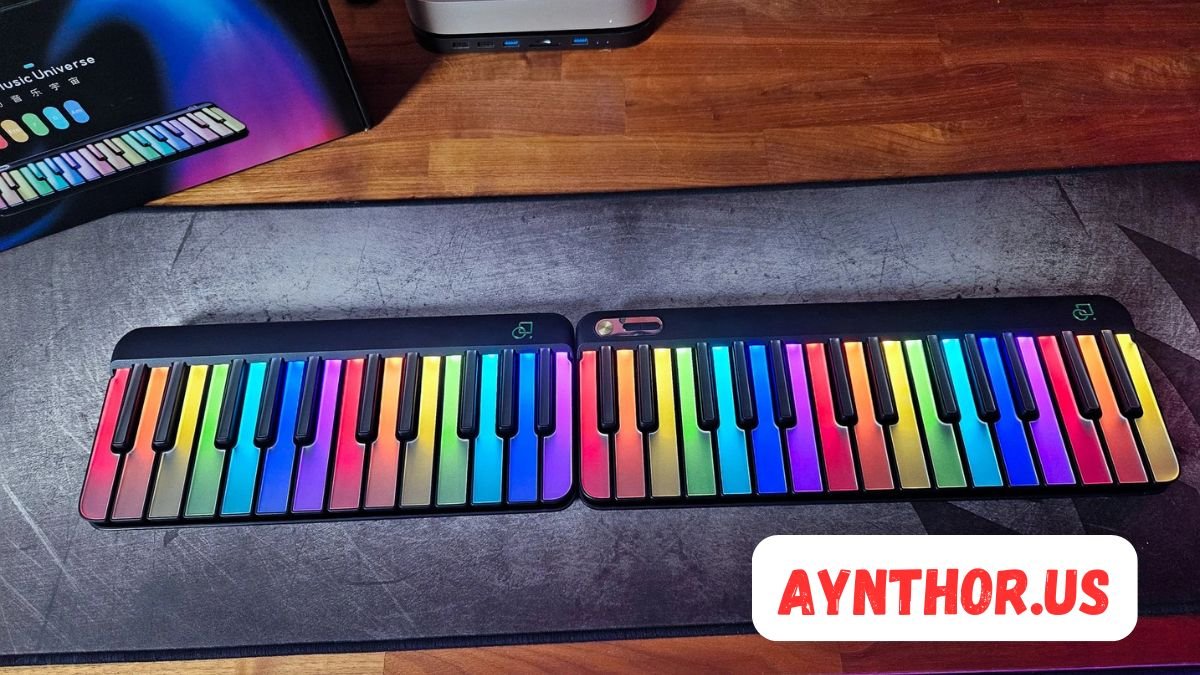
Popupiano: The Complete Guide to Learning, Playing, and Enjoying Music Online
Introduction
Music has always been one of the easiest ways to express creativity, relax after a busy day, and learn a valuable skill. Thanks to modern technology, learning music is no longer limited to traditional classrooms or expensive private lessons. Today, platforms like popupiano are making it easier than ever for beginners and experienced musicians to practice, improve, and enjoy playing the piano from anywhere.
Many people discover popupiano while searching for online piano learning resources, interactive music tools, or entertaining ways to improve their keyboard skills. Whether you are learning your first notes or trying to master advanced songs, the platform offers a convenient way to practice at your own pace. Its combination of interactive features and easy accessibility has made it popular among students, hobbyists, and music lovers alike.
This guide explores everything you need to know about popupiano, including its features, benefits, learning methods, advantages, limitations, and tips for getting the most from your musical journey. By the end of this article, you will have a clear understanding of what popupiano offers and whether it matches your learning goals.
What Is Popupiano?
Popupiano is an online piano learning and music practice platform designed to help users develop keyboard skills through interactive lessons, engaging exercises, and song-based learning. Instead of relying entirely on traditional teaching methods, it uses modern digital tools to create a learning experience that is both educational and enjoyable.
The platform is designed with accessibility in mind. Users can practice using a real piano, an electronic keyboard, or even an on-screen virtual keyboard depending on the available features. This flexibility allows learners to continue practicing regardless of the equipment they own.
Unlike many traditional learning approaches that focus heavily on theory before practice, popupiano encourages users to begin playing music early in their learning journey. This practical approach helps maintain motivation while gradually introducing music theory and technical skills in an understandable way.
Why Popupiano Is Becoming Popular
One of the biggest reasons for the growing popularity of popupiano is convenience. Modern learners often have busy schedules that make it difficult to attend regular piano classes. An online platform allows them to learn whenever they have free time, whether early in the morning or late at night.
Another important factor is affordability. Traditional piano lessons can become expensive over time, especially when weekly classes are involved. Online learning platforms often provide a more budget-friendly alternative while still offering structured educational content.
People also appreciate the ability to progress at their own speed. Some learners quickly understand new concepts, while others prefer taking additional time before moving forward. Popupiano supports this self-paced learning style, making it suitable for learners with different backgrounds and experience levels.
The Main Purpose of Popupiano
The primary goal of popupiano is to make piano education more accessible to everyone. Learning music should not depend on location, age, or previous experience. By providing digital learning tools, the platform helps remove many traditional barriers that prevent people from learning an instrument.
Another purpose is to make practicing enjoyable rather than stressful. Many beginners quit piano lessons because they feel overwhelmed by difficult exercises or complicated music theory. Interactive lessons and gradual skill development help keep learners engaged for longer periods.
The platform also aims to build confidence. As users complete lessons, master songs, and improve their playing ability, they gain motivation to continue learning. Small achievements eventually lead to significant musical progress.
Who Can Benefit from Popupiano?
One of the strongest aspects of popupiano is its ability to serve learners from different age groups and skill levels. Young children can begin learning basic notes and simple melodies through beginner-friendly lessons that focus on building confidence instead of creating pressure.
Teenagers often enjoy the platform because it allows them to learn popular songs while improving their keyboard techniques. Interactive learning feels more engaging than traditional textbook-based lessons, making regular practice easier to maintain.
Adults also find value in popupiano because many have always wanted to learn piano but never had the opportunity. Flexible scheduling makes it possible to fit lessons into work, family, and personal commitments without sacrificing consistency.
How Popupiano Supports Beginners
Starting piano can feel intimidating, especially for people with no musical background. Popupiano simplifies this process by introducing essential concepts gradually instead of presenting too much information at once.
Lessons usually begin with understanding the keyboard layout, recognizing notes, and learning simple finger positions. Once learners become comfortable with these basics, they move toward playing short melodies that reinforce what they have learned.
This gradual progression helps reduce frustration. Instead of feeling overwhelmed by difficult compositions, beginners experience continuous improvement through manageable lessons that build upon previous knowledge.
Learning Piano Through Interactive Technology
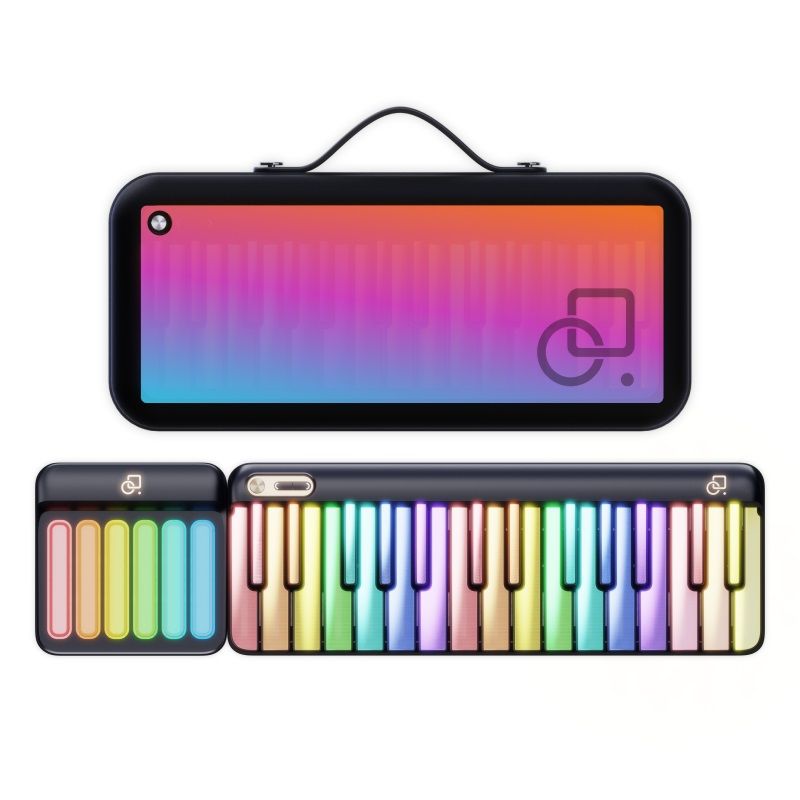
Technology has transformed music education in remarkable ways. Interactive learning allows students to receive immediate visual feedback while practicing songs and exercises. This instant response helps identify mistakes before they become long-term habits.
Digital learning also increases engagement. Animated keyboards, colorful lesson displays, and progress tracking encourage users to return regularly for additional practice sessions. Learning becomes less like a classroom assignment and more like an enjoyable activity.
Another advantage is consistency. Interactive lessons follow structured pathways that guide learners from beginner concepts to more advanced techniques without skipping essential fundamentals.
Features That Make Popupiano Stand Out
One reason many learners choose popupiano is its collection of practical features designed to simplify music education. Rather than offering only video lessons, the platform often combines multiple learning methods into one experience.
Progress tracking allows learners to monitor improvements over time. Seeing completed lessons and increasing skill levels creates a sense of achievement that encourages regular practice.
Interactive song libraries also add excitement. Instead of repeating technical exercises endlessly, users can apply their developing skills by learning recognizable melodies that keep motivation high.
User-Friendly Interface
An excellent learning platform should never confuse its users. One strength often associated with popupiano is a clean and organized interface that allows learners to focus on music instead of struggling with complicated navigation.
Simple menus make it easy to locate lessons, exercises, and practice sessions. New users can begin learning without spending significant time figuring out how the platform works.
Clear lesson organization also supports long-term progress. Each stage naturally leads into the next, creating an educational pathway that feels logical and easy to follow.
Flexible Learning Experience
Every learner develops skills at a different pace. Some understand rhythm quickly but need more time with hand coordination. Others memorize songs easily while struggling with reading sheet music. Popupiano supports this diversity by allowing users to learn according to their personal needs.
Self-paced learning removes unnecessary pressure. Students can repeat difficult lessons multiple times without worrying about slowing down an entire classroom. This freedom often leads to better understanding and stronger long-term retention.
Flexibility also encourages consistency. Even short practice sessions can contribute to steady improvement when learners are free to study according to their schedules.
Understanding Basic Piano Skills
Before playing complex compositions, every pianist needs a solid foundation. Popupiano helps users develop essential skills step by step, ensuring that each lesson builds upon previous knowledge.
Learning note recognition is one of the earliest objectives. Understanding the relationship between keyboard keys and musical notes makes reading music significantly easier as learners progress.
Finger positioning is another important skill. Proper hand placement improves comfort, accuracy, and playing speed while reducing unnecessary tension during longer practice sessions.
Developing Finger Coordination
Piano playing requires both hands to work together smoothly. This coordination does not develop overnight, but regular practice gradually strengthens independence between the left and right hands.
Exercises often begin with simple movements before introducing more complex patterns. This progression allows learners to build muscle memory naturally instead of forcing difficult techniques too early.
Improved coordination eventually leads to greater confidence. Songs that once seemed impossible become much easier after consistent daily practice.
Learning Rhythm and Timing
Rhythm forms the foundation of every musical performance. Even beautifully played notes can sound incorrect if the timing is inconsistent. Popupiano emphasizes rhythm training alongside note recognition to create balanced musicianship.
Practicing with steady timing helps learners develop an internal sense of musical flow. This skill becomes increasingly valuable as songs become longer and more technically challenging.
Interactive timing exercises can also make rhythm practice enjoyable. Visual indicators and guided exercises help students maintain consistent tempo while developing listening skills.
Building Musical Confidence
Confidence is often overlooked in music education, yet it plays an important role in long-term success. Beginners frequently hesitate because they fear making mistakes. Popupiano encourages experimentation by creating a supportive learning environment where errors become valuable learning opportunities.
Small accomplishments create momentum. Completing a lesson, mastering a melody, or improving finger speed provides positive reinforcement that motivates learners to continue practicing.
Over time, repeated success replaces uncertainty with confidence. Players become more comfortable exploring new songs, experimenting with different musical styles, and setting increasingly ambitious goals.
Creating a Daily Practice Routine
Consistent practice is far more effective than occasional long sessions. Even twenty minutes of focused learning each day can produce noticeable improvement over several weeks.
A structured routine might begin with finger warm-up exercises, continue with technical practice, and finish by learning a favorite song. This balanced approach keeps practice both productive and enjoyable.
Regular practice also strengthens discipline. As playing becomes part of a daily habit, progress feels more natural and less dependent on occasional bursts of motivation.
Staying Motivated Throughout the Learning Journey
Every musician experiences periods where progress seems slow. Maintaining motivation during these moments is essential for continued improvement. Popupiano helps by breaking large learning goals into smaller achievements that feel realistic and rewarding.
Learning favorite songs provides additional motivation. Instead of practicing only technical exercises, students can apply their developing skills to music they genuinely enjoy hearing and playing.
Celebrating progress is equally important. Looking back at recordings or remembering earlier lessons reminds learners how much they have improved, even when current challenges seem difficult.
How Popupiano Helps Improve Piano Skills
Learning the piano requires more than simply memorizing where each key is located. True improvement comes from developing accuracy, coordination, rhythm, listening ability, and confidence. Popupiano supports this complete learning process by offering structured lessons that gradually introduce new techniques while reinforcing previously learned skills.
One of the biggest advantages is the ability to practice consistently. Instead of waiting for a weekly lesson with a teacher, learners can return to the platform every day. Frequent practice sessions help strengthen muscle memory, making movements feel more natural over time.
Another important benefit is repetition without pressure. Every learner progresses differently, and popupiano allows users to repeat lessons as often as necessary. This freedom helps students fully understand each concept before moving to more advanced material.
Learning Popular Songs with Popupiano
Many people begin learning piano because they dream of playing their favorite songs. Traditional lessons sometimes focus on technical exercises for months before introducing recognizable music, but popupiano often includes songs much earlier in the learning process.
Playing familiar melodies increases motivation. Students become excited when they recognize tunes they enjoy listening to, and this excitement encourages longer and more productive practice sessions.
Learning real songs also teaches valuable musical skills. Players improve hand coordination, rhythm, note reading, and expression while working toward a rewarding goal that feels meaningful.
Understanding Music Theory
Music theory may sound intimidating, but it simply explains how music works. A good understanding of theory helps musicians read sheet music, understand chord progressions, and perform with greater confidence. Popupiano introduces theory gradually instead of overwhelming beginners with complex terminology.
Students begin by learning note names, keyboard layout, and simple rhythmic values. These concepts provide the foundation needed for more advanced topics later in the learning journey.
As learners gain experience, they naturally begin understanding scales, intervals, chords, and musical structure. This step-by-step approach makes theory practical instead of confusing.
Reading Sheet Music

Reading sheet music opens the door to thousands of musical compositions. While some learners prefer playing by ear, understanding written music greatly expands the variety of songs they can perform.
Popupiano helps students recognize notes on the musical staff while connecting them to the correct piano keys. Repeated practice gradually improves reading speed and accuracy.
Over time, learners stop thinking about individual notes and begin recognizing musical patterns. This ability allows them to read more confidently and perform increasingly complex pieces.
Developing Hand Independence
One of the most challenging aspects of piano playing is using both hands independently. Beginners often find it difficult because each hand performs different movements simultaneously.
Popupiano introduces exercises that gradually strengthen this coordination. Simple patterns help the brain become comfortable controlling each hand separately before combining them into complete musical performances.
As hand independence improves, learners can perform richer and more expressive pieces. This skill becomes especially important when playing classical music, jazz, or advanced contemporary compositions.
Improving Finger Strength
Strong fingers contribute to smoother performances and better control over the keyboard. While strength alone is not enough, combining it with proper technique allows musicians to play comfortably for longer periods.
Regular exercises encourage balanced finger development across both hands. Instead of relying heavily on stronger fingers, learners develop equal control throughout the entire hand.
Improved finger strength also increases confidence when tackling faster songs and more technically demanding passages.
Building Better Timing
Timing is one of the most important qualities of good musicianship. Playing the correct notes is only part of a successful performance. They must also be played at the correct moment.
Popupiano encourages learners to practice with steady rhythm, helping them develop consistent timing that supports every style of music.
As timing improves, performances become smoother and more enjoyable. Songs sound more natural because every note fits correctly within the musical structure.
Developing Listening Skills
Listening carefully is just as important as playing accurately. Skilled musicians constantly evaluate their own performances while identifying areas that need improvement.
Popupiano encourages active listening by helping learners recognize differences in rhythm, melody, harmony, and expression. Paying attention to these details leads to more polished performances.
Better listening skills also improve musical creativity. Students begin noticing subtle elements within professional recordings that inspire their own playing style.
Practicing Without Feeling Overwhelmed
Many beginners quit learning because they try to master too much at once. Large goals can feel intimidating when viewed as a single challenge.
Popupiano divides learning into manageable lessons that build naturally upon one another. Completing smaller objectives creates continuous progress while preventing unnecessary frustration.
This structured approach allows learners to stay motivated because each completed lesson represents a meaningful achievement.
The Importance of Regular Practice
Even the best learning platform cannot replace consistent practice. Improvement comes through repetition, patience, and dedication over time.
Daily practice sessions help reinforce muscle memory while strengthening understanding of musical concepts. Short sessions performed consistently usually produce better results than occasional marathon practice days.
Regular practice also builds confidence. Familiar movements become automatic, allowing musicians to focus more on musical expression instead of technical concerns.
Setting Realistic Goals
Successful learners rarely expect perfection overnight. Instead, they establish realistic goals that encourage gradual improvement.
For example, a beginner might aim to learn one simple melody each week rather than attempting an advanced composition immediately. Small goals create regular success while maintaining motivation.
Popupiano supports this learning philosophy by organizing lessons into achievable stages that gradually increase in difficulty.
Benefits for Children
Children often respond well to interactive learning environments because they enjoy visual feedback and engaging activities. Popupiano can make piano education feel like an enjoyable game while still teaching valuable musical skills.
Early music education also supports broader cognitive development. Learning piano encourages concentration, patience, memory, and problem-solving abilities that benefit many areas of life.
Children who enjoy their lessons are more likely to continue practicing, leading to stronger long-term musical development.
Benefits for Teenagers
Teenagers frequently appreciate flexibility because they balance school, hobbies, sports, and social activities. Online learning allows them to practice whenever their schedule permits.
Many teenagers also enjoy learning modern songs alongside traditional exercises. Playing recognizable music keeps lessons interesting while encouraging regular improvement.
Developing musical skills during adolescence can also build confidence, creativity, and discipline that extend beyond music itself.
Benefits for Adults
Many adults regret never learning an instrument during childhood. Fortunately, it is never too late to begin. Popupiano offers adults the opportunity to develop musical skills without feeling embarrassed about being beginners.
Adult learners often appreciate self-paced education because it fits around work and family responsibilities. There is no pressure to match the progress of other students.
Learning piano can also become an excellent way to reduce stress. Many adults find that playing music provides relaxation after busy workdays.
Practicing with Digital Keyboards
Not everyone owns an acoustic piano, but that should never prevent learning. Digital keyboards provide an affordable and practical alternative for many students.
Modern keyboards often include weighted keys, realistic sounds, headphone connections, and recording functions that enhance practice sessions.
Popupiano works well alongside digital instruments because learners can practice comfortably at home without disturbing family members or neighbors.
Practicing with Acoustic Pianos
Acoustic pianos provide a unique playing experience that many musicians appreciate. Their natural touch and sound create expressive performances while helping students develop precise finger control.
Although acoustic instruments require maintenance and tuning, they remain an excellent choice for serious learners who enjoy traditional piano playing.
Whether using an acoustic piano or a digital keyboard, the learning principles taught through popupiano remain valuable.
Common Challenges Beginners Face
Every learner encounters obstacles during the early stages of piano education. Recognizing these challenges helps students remain patient instead of becoming discouraged.
Many beginners struggle with hand coordination, note recognition, or maintaining consistent rhythm. These difficulties are completely normal and improve through regular practice.
Understanding that progress takes time encourages learners to continue practicing even when immediate improvement seems difficult to notice.
Mistakes That Slow Progress
Some habits can delay improvement if they are not corrected early. One common mistake is practicing too quickly before mastering accuracy.
Another frequent problem is inconsistent practice. Skipping several days makes it harder to build muscle memory and maintain previous progress.
Ignoring proper posture and hand position may also create unnecessary tension. Good technique supports comfortable playing while reducing fatigue during longer practice sessions.
Tips for Faster Improvement
Practicing slowly often produces faster long-term results than rushing through difficult pieces. Accuracy should always come before speed.
Breaking challenging songs into smaller sections allows learners to master one portion before combining everything together. This method makes complex music feel much more manageable.
Recording practice sessions can also help identify areas needing improvement. Listening objectively often reveals small mistakes that are difficult to notice while playing.
Staying Inspired Throughout the Journey
Every musician experiences periods where motivation decreases. Finding new sources of inspiration helps maintain enthusiasm for learning.
Trying different musical styles keeps practice fresh. Exploring classical, jazz, pop, blues, or movie soundtracks introduces new techniques while preventing boredom.
Watching talented pianists perform can also provide inspiration. Observing experienced musicians reminds learners what consistent practice can achieve over time.
Why Consistency Matters More Than Talent
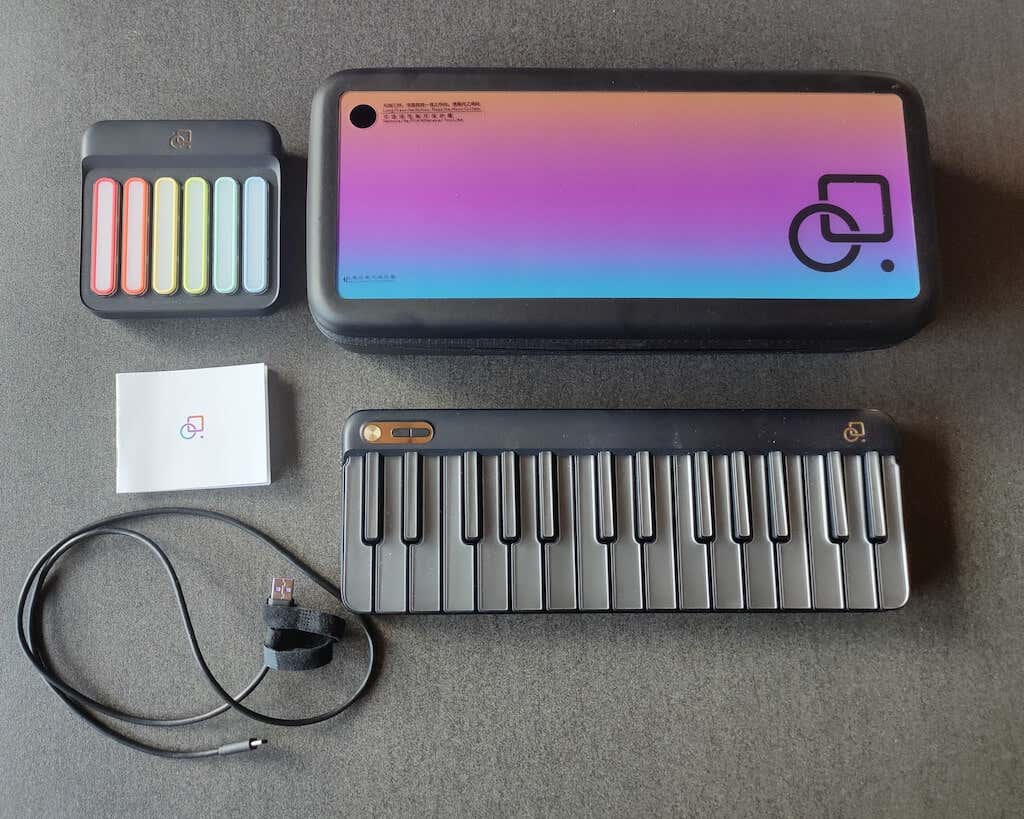
Many people believe musical ability depends entirely on natural talent, but consistent practice usually plays a much larger role in long-term success.
Even highly talented musicians improve because they dedicate countless hours to refining their skills. Beginners who practice regularly often surpass naturally gifted individuals who rarely play.
Popupiano encourages consistency by making lessons convenient, accessible, and enjoyable enough to become part of a daily routine.
Popupiano Compared with Traditional Piano Lessons
Choosing between online learning and traditional piano lessons depends on individual goals, learning style, and budget. Popupiano provides flexibility that many modern learners appreciate because lessons are available whenever they have free time. There is no need to travel to a music school or coordinate schedules with an instructor.
Traditional piano lessons offer immediate feedback from an experienced teacher. A teacher can quickly correct posture, finger placement, rhythm, and musical expression. This personalized guidance can help students avoid developing bad habits during the early stages of learning.
However, popupiano offers advantages that traditional lessons sometimes cannot provide. Learners can repeat lessons as many times as they want, practice without feeling pressured, and move at a pace that suits their individual progress. Many students even combine online learning with occasional private lessons to enjoy the benefits of both approaches.
Building Long-Term Piano Skills
Learning piano is not about reaching a finish line. It is a lifelong journey where every new song and technique introduces fresh opportunities for growth. Popupiano encourages this mindset by helping learners develop habits that support continuous improvement rather than quick results.
As musicians become more experienced, they naturally expand their knowledge. They begin exploring different genres, experimenting with improvisation, and learning increasingly challenging compositions. Each achievement builds upon earlier lessons and creates a stronger musical foundation.
Long-term success comes from patience. Even experienced pianists continue practicing scales, exercises, and familiar songs because consistent practice keeps their skills sharp while preparing them for new challenges.
Exploring Different Music Genres
One of the most exciting aspects of learning piano is discovering different musical styles. Every genre teaches something unique, allowing musicians to expand their abilities while keeping practice enjoyable.
Classical music develops precision, finger control, and expressive playing. Many famous piano techniques originate from classical compositions, making this style valuable for technical improvement.
Pop music focuses on memorable melodies and chord progressions that are enjoyable to learn. Jazz introduces improvisation and creative freedom, while blues strengthens rhythm and emotional expression. Exploring multiple genres through popupiano creates a well-rounded musical education.
Developing Creativity
Playing existing songs is rewarding, but creativity allows musicians to express themselves in personal ways. Popupiano encourages learners to move beyond memorization by experimenting with melodies, rhythms, and chord combinations.
Improvisation helps build confidence because there are no strict rules about what must be played. Learners gradually become comfortable creating their own musical ideas while strengthening their understanding of harmony and rhythm.
Composing simple melodies is another excellent exercise. Even beginners can create short musical phrases that reflect their emotions and imagination. Over time, these small experiments often grow into complete original pieces.
Practicing Efficiently
Long practice sessions are not always the most productive. Effective practice focuses on quality rather than quantity. Spending time with complete concentration usually produces better results than playing for hours without clear goals.
Breaking practice into smaller sections keeps the mind fresh and prevents unnecessary frustration. Warm-up exercises, technical practice, song learning, and review sessions create a balanced routine that supports steady progress.
Taking short breaks also improves concentration. Returning to the keyboard with a refreshed mind often makes difficult passages feel easier than before.
Tracking Your Progress
Watching your own improvement is one of the most satisfying parts of learning music. Popupiano encourages learners to recognize progress instead of focusing only on remaining challenges.
Recording performances every few weeks provides clear evidence of improvement. Comparing recent recordings with earlier attempts often reveals stronger rhythm, smoother technique, and greater musical confidence.
Keeping a practice journal is another useful strategy. Writing down completed lessons, mastered songs, and future goals helps maintain motivation while creating a record of long-term development.
Creating the Ideal Practice Environment
A comfortable learning space makes practice more enjoyable and productive. Good lighting, a comfortable bench, and proper keyboard placement allow learners to focus entirely on music.
Reducing distractions is equally important. Turning off unnecessary notifications and choosing a quiet location helps maintain concentration throughout each practice session.
Organizing sheet music, headphones, notebooks, and other learning materials nearby saves time and creates a more efficient learning experience.
Staying Motivated for Years
Initial excitement often motivates beginners, but long-term dedication requires deeper commitment. Setting meaningful goals helps learners remain enthusiastic even when progress slows.
Learning a favorite song, preparing for a family performance, or mastering a challenging technique provides clear direction for continued practice.
Celebrating achievements also strengthens motivation. Every completed lesson, improved performance, and mastered composition deserves recognition because each represents meaningful progress on the musical journey.
The Future of Digital Piano Learning
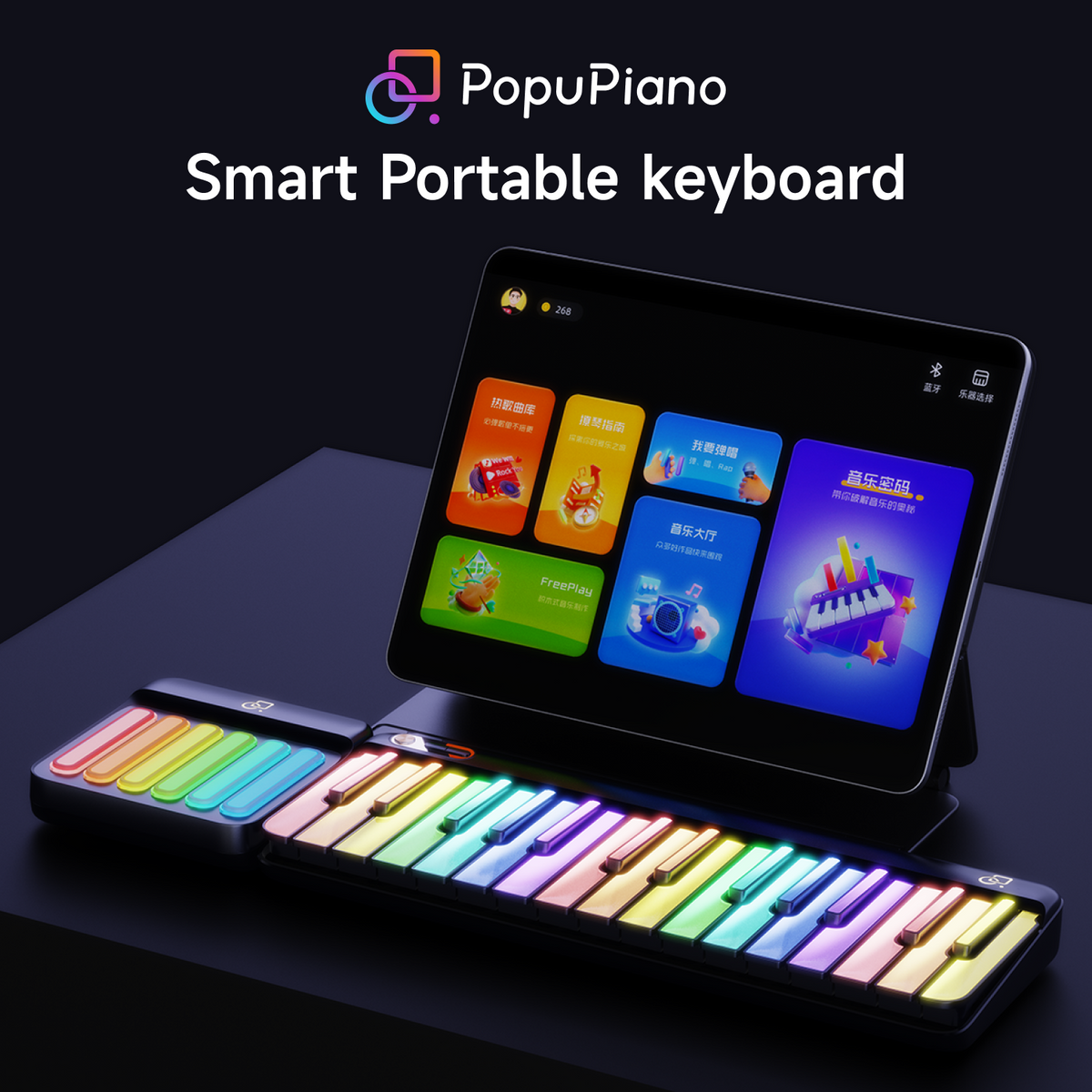
Technology continues transforming music education at an impressive pace. Interactive platforms, artificial intelligence, and improved learning tools are making piano education more accessible than ever before.
Future versions of popupiano and similar platforms may include even more personalized learning experiences. Lessons could adapt automatically to each learner’s strengths and weaknesses, providing customized exercises that maximize improvement.
Virtual reality, enhanced audio feedback, and smarter progress tracking may further improve digital piano education. These innovations have the potential to make learning even more engaging while maintaining educational quality.
Why Popupiano Appeals to Modern Learners
Modern lifestyles often require flexibility. Many people balance careers, education, family responsibilities, and personal interests, leaving limited time for traditional weekly lessons.
Popupiano fits naturally into these busy schedules because learners decide when and where to practice. This convenience removes one of the biggest barriers that previously prevented many people from learning piano.
Accessibility also contributes to its popularity. Students from different backgrounds can begin learning without needing expensive equipment or complicated enrollment processes. This inclusive approach encourages more people to discover the joy of making music.
Final Thoughts
Popupiano represents the growing evolution of music education in the digital age. By combining accessibility, flexibility, interactive learning, and structured lessons, it creates an enjoyable environment for beginners while still offering value to experienced musicians. Whether someone wants to learn their very first notes or continue improving established skills, the platform provides practical tools that support long-term musical development.
The greatest strength of popupiano lies in its ability to make piano education approachable. Instead of feeling overwhelmed by complex theory or difficult exercises, learners can progress gradually through manageable lessons that build confidence over time. This encouraging approach helps students stay motivated while developing the technical and creative skills needed for successful piano playing.
Although no online platform can completely replace dedication and consistent practice, popupiano demonstrates how technology can make learning more engaging and accessible than ever before. When combined with patience, curiosity, and regular practice, it can become a valuable companion throughout every stage of a musician’s journey. Whether your goal is playing for personal enjoyment, entertaining friends and family, or pursuing advanced musical skills, popupiano provides an excellent starting point and a reliable path toward continued growth.
Frequently Asked Questions
What is popupiano?
Popupiano is an online piano learning platform that helps users practice and improve their keyboard skills.
Is popupiano suitable for beginners?
Yes, popupiano is designed with beginner-friendly lessons and gradual skill progression.
Can children use popupiano?
Yes, children can use popupiano because its interactive lessons are easy to follow and engaging.
Do I need a real piano to use popupiano?
No, you can learn using either a digital keyboard or a traditional piano.
Can adults learn with popupiano?
Yes, popupiano is suitable for adults of all experience levels.
Does popupiano teach music theory?
Yes, popupiano introduces music theory alongside practical playing lessons.
Can popupiano improve finger coordination?
Yes, regular practice on popupiano helps develop better finger strength and coordination.
Is popupiano better than traditional lessons?
Popupiano offers flexibility, while traditional lessons provide direct teacher feedback, so the best choice depends on your learning style.
How often should I practice with popupiano?
Practicing consistently for a short time each day generally produces the best results.
Can popupiano help me learn my favorite songs?
Yes, popupiano supports learning songs while improving overall piano technique.
Also read: Slay Spire 2 Steam Reviews: A Complete Look at What Players Really Think




Post Comment