Is Moonlighter Good? A Complete Review of the Dungeon-Crawling Shopkeeper Adventure
Introduction
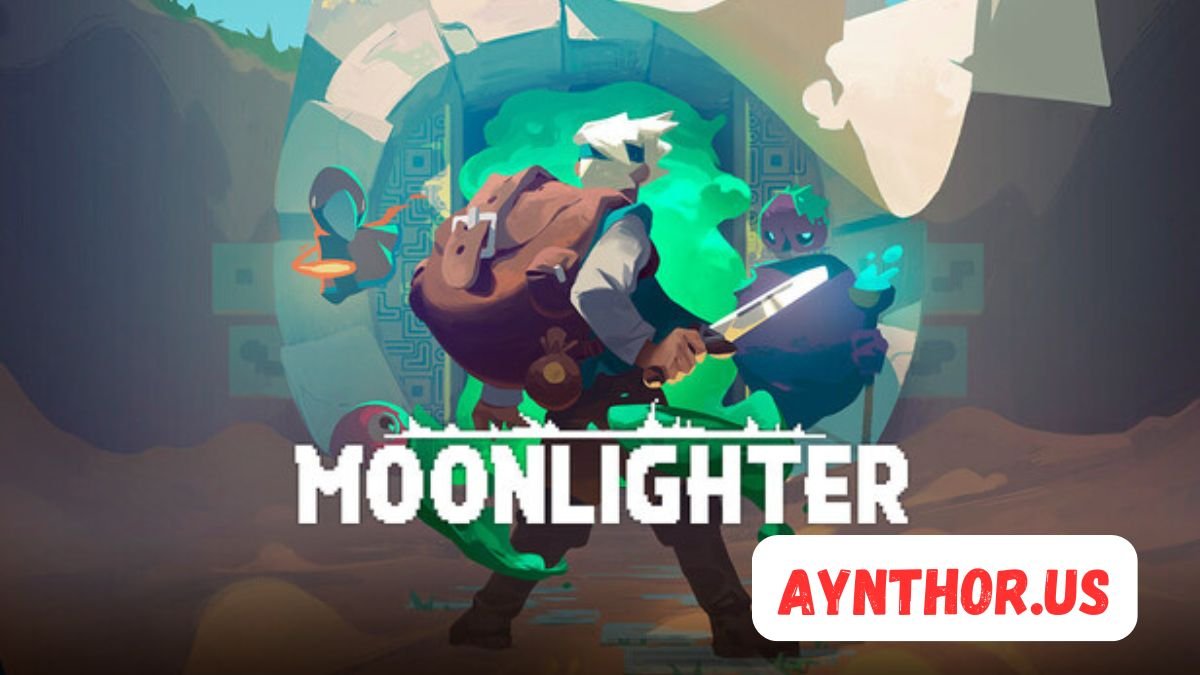
If you’ve been searching for is Moonlighter good, you’re probably wondering whether this indie title deserves your time in a market full of outstanding action RPGs and roguelites. Released by Digital Sun, Moonlighter combines two very different gameplay ideas into one package. During the day, you run a small shop, selling loot and managing prices. At night, you venture into dangerous dungeons to gather treasure, defeat monsters, and uncover mysterious secrets. It sounds like an unusual mix, and that’s exactly why the game has continued to attract players years after its release.
The biggest strength of Moonlighter is that it doesn’t try to copy one genre entirely. Instead, it blends dungeon exploration with business management in a way that feels refreshing. While many games focus only on combat or crafting, Moonlighter gives every activity a purpose. The treasures you collect aren’t simply numbers in an inventory—they become the products that keep your shop running. Likewise, the profits from your store directly improve your ability to survive future dungeon runs.
Many gamers ask whether the game still holds up today, especially with newer roguelites offering more complex mechanics. The answer depends on what you’re looking for. If you expect endless procedural variety and hundreds of gameplay systems, Moonlighter may feel relatively simple. However, if you enjoy polished gameplay loops, satisfying progression, charming visuals, and relaxing management mechanics alongside exciting combat, then Moonlighter remains one of the most enjoyable indie experiences available.
In this detailed review, we’ll examine every important aspect of the game, including gameplay, combat, shop management, progression, replay value, graphics, soundtrack, difficulty, and overall value. By the end, you’ll have a clear answer to the question: is Moonlighter good, and whether it’s the right game for you.
What Is Moonlighter?
Moonlighter follows the story of Will, a young shopkeeper with dreams of becoming a legendary hero. His family owns a small store located near mysterious magical gates that lead into dangerous dungeons. Instead of choosing between being a merchant or an adventurer, Will decides to become both.
Every gameplay day follows a satisfying routine. During daylight hours, players operate their shop by placing items on display, setting prices, serving customers, watching for thieves, and earning profits. When night arrives, Will enters randomly generated dungeon floors filled with monsters, traps, hidden treasures, and valuable crafting materials. This simple cycle creates one of the game’s biggest strengths because each half supports the other.
Unlike traditional RPGs where merchants are simply NPCs, Moonlighter puts players in complete control of the economy. You’re responsible for deciding what items are worth selling immediately and which ones should be saved for crafting or future upgrades. This creates meaningful decisions throughout the adventure instead of making loot feel disposable.
The game also includes town development. As you earn more money, you invest in new businesses, blacksmiths, potion makers, and enchantment services. Watching the small village grow alongside your own success gives the game a rewarding sense of progression beyond simply increasing character levels.
Although the overall story isn’t particularly complex, it provides enough motivation to continue exploring deeper into increasingly dangerous dungeons while uncovering the mystery behind the magical gates.
Why Moonlighter Became So Popular
Moonlighter became popular because it offered something different at a time when roguelites were becoming increasingly similar. Instead of relying solely on difficult combat or randomized upgrades, it introduced an economic system that felt meaningful without becoming overwhelming.
Many players quickly became attached to the shopkeeping mechanics. Pricing items based on customer reactions creates surprisingly addictive gameplay. Sell something too cheaply, and customers become excited while you lose profits. Price an item too high, and buyers become frustrated or simply walk away. Learning market values through observation becomes a satisfying mini-game that never feels repetitive.
Another reason for its popularity is accessibility. Many roguelites can intimidate newcomers with punishing difficulty and complicated mechanics. Moonlighter keeps its systems straightforward enough for beginners while still offering enough challenge to satisfy experienced players.
The game’s beautiful pixel art also contributed significantly to its success. Every environment feels colorful and alive, while monsters feature memorable designs without requiring cutting-edge graphics. The visual style has aged extremely well and still looks fantastic today.
Streaming and content creators also helped Moonlighter gain attention because its gameplay naturally creates entertaining moments. Watching players discover rare treasures, survive difficult boss fights, or accidentally underprice valuable items makes for enjoyable content that encouraged others to try the game themselves.
Perhaps most importantly, Moonlighter respects the player’s time. Sessions can be short or long depending on your schedule, making it an ideal game for both casual and dedicated players.
The Core Gameplay Loop Keeps You Coming Back
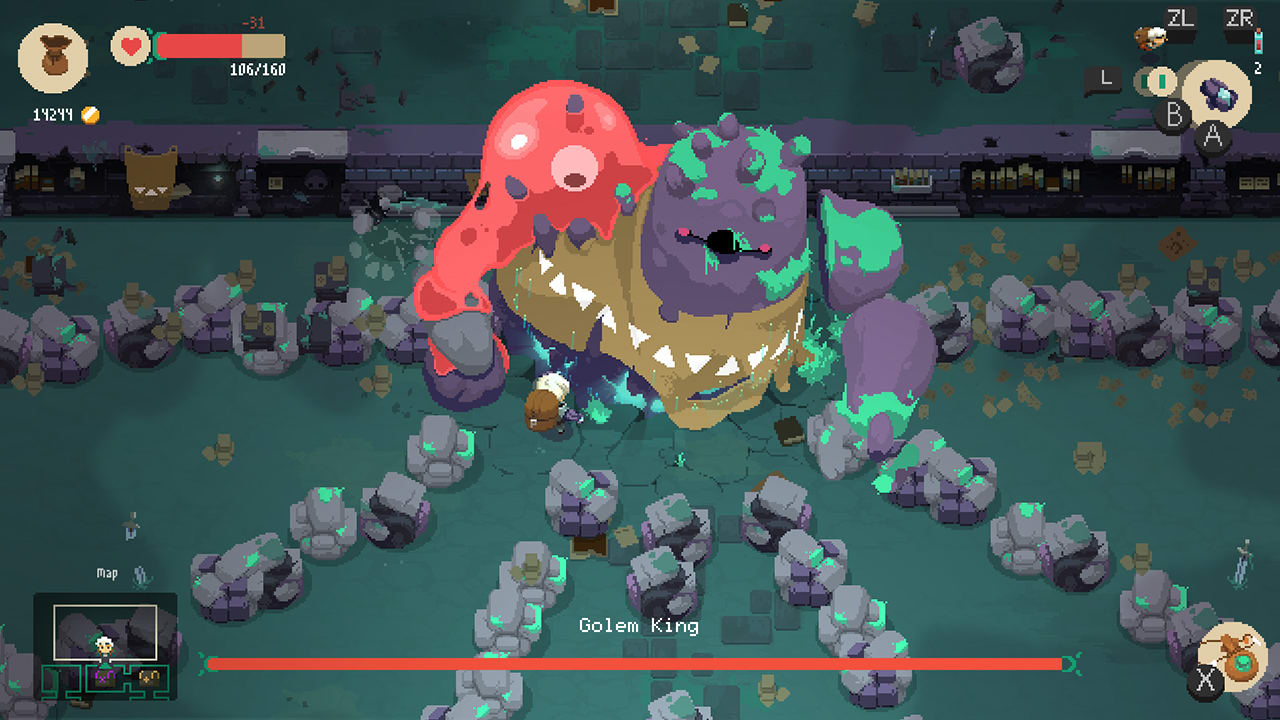
The biggest reason people continue playing Moonlighter is its carefully designed gameplay loop. Everything you do directly contributes to your next adventure, creating a satisfying cycle of constant progression.
A typical gameplay session starts with preparing for a dungeon expedition. Players purchase potions, repair equipment, organize inventory space, and choose which weapons they’ll bring. Once inside a dungeon, exploration becomes a balance between risk and reward. The more treasure you collect, the greater your potential profit. However, dying means losing much of what you’ve gathered.
Returning safely to town creates a rewarding feeling because every collected item has value. Some materials become equipment upgrades, while others are displayed in your shop for customers to purchase. Deciding which items belong in each category adds another strategic layer.
Running the shop is far more engaging than simply pressing a sell button. You observe customer expressions, adjust prices according to demand, refill empty shelves, and even stop thieves before they escape with expensive merchandise. This transforms what could have been a simple inventory screen into one of the game’s most entertaining mechanics.
Money earned from successful business operations funds stronger armor, better weapons, larger inventory capacity, and improved town services. Those upgrades then allow you to survive tougher dungeons where even better loot awaits.
Because every activity directly supports another system, very little feels like wasted time. Even simple tasks contribute toward long-term goals, making progression feel consistently rewarding.
Combat Is Simple Yet Surprisingly Enjoyable
Combat in Moonlighter isn’t the deepest you’ll find in an action RPG, but it succeeds because of its responsiveness and accessibility. Every weapon type feels distinct enough to encourage experimentation while remaining easy to understand.
Players can choose between swords, spears, bows, gloves, and greatswords. Each weapon offers unique attack speeds, ranges, and special abilities. Fast weapons reward aggressive playstyles, while slower options deal heavier damage with better crowd control. Finding your preferred combat style becomes part of the overall progression experience.
Enemy variety also helps keep combat interesting. Different monsters require different strategies rather than allowing players to spam attacks mindlessly. Some creatures rush directly toward you, while others attack from a distance or hide behind shields. Learning enemy patterns becomes essential, especially during later dungeon floors.
Dodging plays a crucial role in every battle. Well-timed rolls provide temporary invincibility, rewarding careful observation instead of reckless aggression. Boss fights particularly emphasize movement and positioning over simply dealing maximum damage.
Combat difficulty gradually increases without feeling unfair. Early enemies introduce basic mechanics before later areas combine multiple attack styles into more challenging encounters. Players who pay attention to patterns usually find success, while impatient players often struggle.
Although veterans of games like Hades or Dead Cells may find Moonlighter’s combat less complex, its straightforward approach complements the overall relaxing atmosphere rather than overshadowing the management mechanics.
Dungeon Exploration Feels Rewarding
The dungeon sections provide the excitement that balances the calmer pace of shop management. Every expedition offers opportunities to discover rare materials, powerful equipment components, hidden rooms, and valuable treasures.
Each dungeon contains multiple randomly generated floors. While the layouts change between runs, every biome maintains its own unique identity through enemy types, environmental hazards, and visual themes. This prevents exploration from becoming completely predictable while preserving recognizable progression.
Inventory management becomes an engaging puzzle because certain items possess magical properties. Some objects destroy neighboring items, while others duplicate nearby loot or teleport themselves into different inventory slots. Organizing these unusual items adds an extra strategic layer beyond simply collecting everything you find.
Risk management remains central throughout exploration. Players constantly decide whether to continue deeper into dangerous territory or return home with their current rewards. Staying longer increases potential profits but also raises the chances of losing valuable loot after death.
Hidden rooms and secret treasures encourage curiosity. Exploring every corner often rewards observant players with extra resources that can significantly improve progression. This makes dungeon crawling feel worthwhile beyond simply defeating enemies.
The pacing also deserves praise. Dungeon runs rarely overstay their welcome, making them ideal for both quick gaming sessions and longer adventures. Each successful return to town feels meaningful because every collected treasure directly contributes to your next upgrade or profitable shop day.
Running Your Shop Is More Fun Than Expected
At first glance, managing a shop may sound less exciting than exploring monster-filled dungeons. Surprisingly, it becomes one of Moonlighter’s strongest features. Many players eventually discover they look forward to opening the store just as much as entering another dungeon.
Pricing items isn’t based on fixed values. Instead, you gradually learn the market through customer reactions. If buyers eagerly purchase an item, you probably priced it too low. If they complain or refuse to buy, the price is likely too high. Finding the perfect balance becomes a satisfying process of experimentation.
Customer behavior adds personality to every business day. Some shoppers browse casually, while others rush toward valuable products. Occasionally, thieves attempt to steal expensive merchandise, forcing you to chase them before they escape. These small moments keep shop management active rather than passive.
Expanding your business feels rewarding because profits directly reflect your decision-making. Better pricing leads to higher income, allowing you to invest in equipment, town upgrades, and future adventures. Watching your once-small store become a thriving business creates a strong sense of accomplishment.
Inventory presentation also matters. Organizing shelves efficiently helps customers browse products more easily while allowing you to keep track of your best-selling items. Although the system remains simple, it gives players enough control to feel like genuine merchants.
Perhaps the greatest achievement of the shop system is how naturally it complements dungeon exploration. Neither activity overshadows the other. Instead, each makes the opposite half of the game even more enjoyable, creating a gameplay loop that remains engaging long after the opening hours.
Progression Always Feels Meaningful
One of the strongest reasons people ask is Moonlighter good years after its release is because of its satisfying progression system. Unlike games that overwhelm players with dozens of upgrade trees, Moonlighter keeps improvements straightforward while ensuring every upgrade noticeably impacts gameplay.
The first few hours introduce players to basic weapons and armor, but these are only the beginning. As you collect better resources from increasingly dangerous dungeons, stronger equipment becomes available through the village blacksmith. Every new weapon provides a noticeable boost, making each upgrade feel like a genuine achievement instead of a tiny statistical improvement.
Money also becomes an important form of progression. Successful shop management allows you to invest in your own future rather than simply buying cosmetic items. Every profitable day means better potions, stronger armor, improved enchantments, and expanded services around town. It creates a satisfying feeling that your business success directly translates into dungeon success.
Perhaps the most rewarding aspect is how progression happens naturally. You’re rarely forced to grind for hours because almost every activity contributes toward improving your character. Whether you’re fighting monsters, selling treasure, crafting equipment, or investing in the village, you’re always moving forward.
The game also introduces new mechanics at a comfortable pace. Instead of overwhelming players with complicated systems immediately, Moonlighter gradually unlocks additional crafting options, enchantments, and town improvements. This steady learning curve makes the experience welcoming without becoming boring.
Every Dungeon Has Its Own Identity
Moonlighter features several major dungeons, and each one introduces new visual themes, enemies, environmental hazards, and gameplay challenges. Rather than feeling like simple recolors, every area requires players to adapt their strategies.
The Golem Dungeon serves as an introduction, teaching basic combat, dodging, and inventory management. Enemy attacks remain fairly forgiving, allowing new players to become comfortable with the controls before tougher challenges appear.
The Forest Dungeon shifts the experience considerably. Faster enemies, poisonous attacks, and more aggressive combat encounters encourage better positioning and smarter use of healing items. Players who relied on simple attack spamming quickly learn that careful movement is now essential.
Later areas like the Desert Dungeon and Tech Dungeon continue raising the difficulty while introducing creative enemy designs. Flying opponents, ranged attackers, shielded monsters, and environmental traps combine to create encounters that demand greater attention. Every dungeon feels like a meaningful step forward rather than simply increasing enemy health.
Boss battles also deserve recognition. Each dungeon concludes with a memorable boss that tests everything you’ve learned throughout the area. These fights require pattern recognition, patience, and proper equipment instead of relying solely on high damage output.
Because each dungeon has its own atmosphere, soundtrack, enemies, and loot, exploring new areas remains exciting throughout the adventure. The anticipation of discovering what awaits behind the next magical gate becomes one of the game’s greatest motivators.
Pixel Art That Still Looks Beautiful Today
Graphics don’t need cutting-edge technology to impress, and Moonlighter proves that perfectly. Its pixel art style remains one of the most attractive among modern indie games, giving the adventure a timeless appearance that continues to age gracefully.
Character animations feel smooth despite their relatively simple designs. Will’s attacks, dodges, and interactions all display excellent attention to detail, making movement satisfying from the very beginning. Even small animations, like customers reacting to prices or monsters preparing attacks, add personality to the world.
Environmental design is equally impressive. Every dungeon features unique color palettes and artistic themes that help distinguish one area from another. Dense forests, ancient ruins, mysterious technology, and glowing magical environments all feel visually distinct while maintaining a consistent artistic identity.
Lighting effects also contribute significantly to the atmosphere. Warm lanterns illuminate the village during nighttime, while magical portals emit colorful energy that contrasts beautifully with darker dungeon interiors. These subtle visual touches make exploration feel immersive without requiring advanced graphics hardware.
Enemy designs deserve praise as well. Instead of generic monsters, Moonlighter introduces memorable creatures with recognizable silhouettes and attack animations. This not only enhances visual variety but also helps players quickly identify threats during combat.
Because the art style prioritizes creativity over realism, Moonlighter remains visually appealing even compared to much newer releases. It’s a perfect example of why excellent art direction often matters more than graphical realism.
The Soundtrack Perfectly Matches the Adventure
Music often goes unnoticed until it’s missing, but Moonlighter’s soundtrack quietly enhances nearly every moment of the experience. Rather than constantly demanding attention, the music creates an atmosphere that complements both exploration and relaxation.
The village themes feel peaceful and comforting. Soft melodies reinforce the idea that the town is a safe haven between dangerous expeditions. After surviving an intense dungeon run, returning home feels genuinely calming thanks to the relaxing soundtrack.
Dungeon music gradually builds tension without becoming repetitive. Each area features compositions that match its environment, helping players feel immersed as they explore deeper into increasingly dangerous territory. The music subtly encourages caution while maintaining a sense of adventure.
Combat sound effects also deserve recognition. Weapon strikes carry satisfying impact, monster attacks feel dangerous, and collecting valuable loot produces rewarding audio cues. These small details make every successful battle feel more enjoyable.
Customer interactions inside the shop are accompanied by pleasant background music that reinforces the relaxing business management gameplay. Selling valuable items becomes surprisingly satisfying thanks to the combination of visual feedback and cheerful audio.
Even after dozens of hours, the soundtrack rarely becomes annoying because it remains understated. Instead of overwhelming the player, it quietly supports the overall atmosphere, allowing gameplay to remain the primary focus.
Shop Management Is More Strategic Than It First Appears
At first glance, selling items might seem like the simplest part of Moonlighter, but experienced players quickly realize there’s far more strategy involved than expected.
Pricing products requires careful observation rather than guesswork. Every customer reaction provides useful information about an item’s true value. Over time, players develop an understanding of market prices without relying entirely on external guides. This learning process feels rewarding because success comes from experience rather than luck.
Inventory management also becomes increasingly important. Some materials are common and should usually be sold quickly for reliable income. Others become essential crafting ingredients later in the game. Deciding what to sell immediately and what to keep introduces meaningful long-term planning.
Customer demand changes as new dungeons unlock. Rare treasures naturally command higher prices, while previously valuable materials may become more common. This evolving economy prevents shopkeeping from becoming repetitive because players constantly adapt their pricing strategies.
Expanding the store introduces additional opportunities for profit. Better display space allows more products to be sold each day, while higher-quality merchandise attracts increasingly valuable customers. Watching your modest little shop transform into a thriving business remains incredibly satisfying.
Even protecting your inventory adds excitement. Thieves occasionally attempt to steal expensive items, forcing players to react quickly. These unexpected moments prevent shopkeeping from becoming a passive activity and remind players that running a successful business requires attention.
Equipment Choices Actually Matter
Unlike many RPGs where players simply equip whatever has the highest numbers, Moonlighter encourages choosing equipment that matches individual playstyles.
Sword users enjoy balanced combat with reliable attack speed and respectable damage. This makes swords an excellent choice for beginners while remaining effective throughout the game.
Spears offer longer attack range, allowing cautious players to damage enemies from safer distances. Although they require better positioning, skilled players can defeat dangerous opponents while avoiding unnecessary risks.
Greatswords provide devastating damage at the cost of slower attacks. Players who enjoy carefully timed strikes often find these weapons incredibly satisfying, especially during boss battles where every successful hit matters.
Gloves emphasize fast-paced combat, rewarding aggressive players who prefer mobility over raw power. Their rapid attack speed allows quick combinations but requires getting dangerously close to enemies.
Bows introduce ranged combat, offering a completely different approach to encounters. Although ammunition management and positioning become more important, many players appreciate the extra safety provided by attacking from a distance.
Armor progression follows a similarly rewarding pattern. Better equipment doesn’t simply increase defense—it allows players to survive longer dungeon expeditions, collect more treasure, and ultimately earn greater profits. Every upgrade meaningfully impacts gameplay, making equipment decisions feel important throughout the adventure.
How Challenging Is Moonlighter?

Difficulty is one of the most common concerns when people ask is Moonlighter good, especially for players unfamiliar with roguelites. Fortunately, Moonlighter strikes a comfortable balance between accessibility and challenge.
Early gameplay is forgiving enough for newcomers. The first dungeon introduces combat mechanics gradually, allowing players to learn enemy patterns without severe punishment. Mistakes are expected, and the game provides plenty of opportunities to improve naturally.
As the adventure progresses, enemies become more aggressive and varied. Players can no longer rely on basic attacks alone. Dodging, positioning, potion management, and understanding enemy behavior become increasingly important. The rising difficulty feels earned because it builds upon previously learned mechanics.
Death carries consequences but doesn’t completely erase progress. Losing valuable loot certainly hurts, encouraging cautious decision-making, but the punishment rarely feels so harsh that players become discouraged. This creates genuine tension without becoming frustrating.
Boss fights represent the game’s biggest challenges. Each boss features unique attack patterns that require patience and observation rather than brute force. Learning these encounters creates memorable victories because success comes from improving your skills instead of simply grinding higher levels.
Players looking for extremely punishing roguelite experiences may find Moonlighter relatively forgiving. On the other hand, those seeking a balanced adventure with satisfying challenges will likely appreciate its approachable difficulty curve.
Replay Value: Is There Enough Reason to Keep Playing?
One of the biggest questions players ask after finishing the main story is whether Moonlighter offers enough replay value. While it doesn’t provide endless content in the same way as some modern roguelites, it still encourages multiple play sessions thanks to its satisfying gameplay loop.
Randomly generated dungeon layouts ensure that no two dungeon runs are exactly the same. Although each dungeon follows a familiar theme and structure, room arrangements, enemy placements, and treasure locations change regularly. This unpredictability keeps exploration fresh even after dozens of expeditions.
Experimenting with different weapon types also increases replayability. A player who completed the game using swords may discover an entirely different combat rhythm with bows, spears, gloves, or greatswords. Since every weapon category feels unique, trying alternative builds can make another playthrough surprisingly enjoyable.
Perfecting your shop management becomes another long-term objective. Many players finish the story before mastering item pricing and maximizing profits. Learning the economy more efficiently during a second playthrough creates a noticeably smoother experience, making progression feel even more rewarding.
Completionists have plenty to pursue as well. Unlocking every upgrade, collecting rare materials, crafting the strongest equipment, and fully developing the village provide additional goals beyond simply reaching the ending. Players who enjoy checking off achievements will likely spend many extra hours completing everything.
That said, Moonlighter isn’t designed to be an endless live-service experience. Once you’ve mastered every dungeon and collected the best equipment, the sense of discovery naturally decreases. However, the journey itself is enjoyable enough that many players happily return months later for another adventure.
How Long Does It Take to Beat Moonlighter?
The overall playtime depends heavily on your preferred pace and playstyle. Some players focus almost entirely on completing the story, while others spend hours optimizing their shop and upgrading every piece of equipment.
A straightforward playthrough generally takes around 15 to 20 hours. This includes exploring every major dungeon, defeating all primary bosses, upgrading equipment when necessary, and experiencing the complete storyline without rushing through important mechanics.
Players who enjoy experimenting with different pricing strategies, collecting every item, and fully upgrading the village often spend 25 to 35 hours with the game. Since managing the shop is genuinely enjoyable, many people naturally invest extra time without feeling like they’re grinding.
Completionists can easily exceed 40 hours while pursuing achievements, crafting every available weapon, unlocking every upgrade, and maximizing every business opportunity. Although Moonlighter isn’t the longest RPG on the market, it delivers excellent value considering its reasonable price.
The game’s structure also makes it ideal for short gaming sessions. You can complete a quick dungeon run, manage your shop for a day, and save your progress without committing several uninterrupted hours. This flexibility makes Moonlighter particularly appealing for players with busy schedules.
Ultimately, the game’s length feels appropriate. It introduces new mechanics steadily, maintains enjoyable pacing, and concludes before the experience becomes repetitive. Rather than stretching content unnecessarily, Moonlighter focuses on delivering a consistently satisfying adventure.
Strengths That Make Moonlighter Stand Out
Moonlighter succeeds because it blends two genres that rarely appear together. Instead of simply adding shop management as a minor feature, it makes running your business equally important as fighting monsters. This balance creates one of the most satisfying gameplay loops in modern indie gaming.
Another major strength is accessibility. New players can understand the core mechanics quickly, while experienced gamers still find enough depth to stay engaged. The controls remain responsive, menus are easy to navigate, and progression feels intuitive throughout the entire adventure.
The game’s presentation also deserves praise. Beautiful pixel art, memorable environments, charming character animations, and an excellent soundtrack combine to create an atmosphere that’s both relaxing and adventurous. Even years after release, Moonlighter still looks and sounds fantastic.
Progression remains rewarding from beginning to end. Every successful dungeon run leads to meaningful improvements, whether through better equipment, stronger enchantments, expanded businesses, or increased profits. Few games make every activity feel as productive as Moonlighter does.
The shop system itself is another highlight. Learning item values through customer reactions creates an engaging economic puzzle that never feels overly complicated. Selling loot becomes almost as exciting as finding it, which is an impressive achievement for a game centered around dungeon crawling.
Finally, Moonlighter respects the player’s time. Sessions can be short or long, progression remains steady, and unnecessary grinding is kept to a minimum. This makes it an excellent choice for both casual players and dedicated RPG fans.
Weaknesses You Should Know Before Buying
Although Moonlighter is an excellent game overall, it isn’t without flaws. Understanding these limitations helps set realistic expectations before jumping into the adventure.
The combat, while enjoyable, isn’t as mechanically deep as some of its competitors. Players coming directly from games like Hades, Dead Cells, or Enter the Gungeon may find Moonlighter’s combat systems relatively simple after extended playtime.
Enemy variety, while respectable, eventually becomes somewhat predictable. After spending many hours exploring the same dungeons, experienced players will recognize attack patterns quickly, reducing some of the excitement found during the early game.
The overall story also remains fairly straightforward. While Will’s journey provides enough motivation to continue progressing, players seeking an emotionally complex narrative with extensive character development may find the plot somewhat light.
Some players may also wish for greater customization. Equipment choices matter, but there aren’t countless skill trees or character builds to experiment with. Moonlighter prioritizes simplicity over endless RPG complexity, which may disappoint those looking for extensive build diversity.
The procedural generation, although effective, doesn’t create limitless variety. Room layouts change between runs, but experienced players will eventually recognize recurring designs. This doesn’t ruin the experience, but it does reduce long-term unpredictability compared to some dedicated roguelites.
Fortunately, these weaknesses rarely overshadow the game’s strengths. Most are simply areas where Moonlighter chooses accessibility and focused design over maximum complexity.
Is Moonlighter Good for Casual Players?

Casual players often hesitate before trying roguelites because many games in the genre have reputations for punishing difficulty. Fortunately, Moonlighter offers one of the most welcoming introductions available.
The controls are easy to learn, making combat approachable even for players with limited experience. Attacking, dodging, interacting with objects, and managing inventory all feel intuitive from the beginning. New mechanics are introduced gradually rather than overwhelming players with complicated tutorials.
The shop management system also appeals to players who enjoy slower-paced gameplay. Instead of constant action, Moonlighter alternates between exciting dungeon exploration and relaxing business management. This variety prevents fatigue and creates a comfortable rhythm throughout the adventure.
Because progress is divided into manageable sessions, the game works well for players who only have thirty to sixty minutes available each day. Completing a dungeon run, restocking your shop, or upgrading equipment all provide satisfying stopping points without requiring marathon gaming sessions.
The forgiving progression system also helps. Although dying carries consequences, it rarely feels devastating enough to discourage continued play. Most players quickly recover from mistakes and continue improving at a steady pace.
Overall, Moonlighter strikes an excellent balance between challenge and accessibility, making it one of the easiest roguelite-inspired games to recommend to casual audiences.
Is Moonlighter Good for Hardcore RPG Fans?
Hardcore RPG enthusiasts often look for deep progression systems, challenging combat, extensive customization, and rewarding endgame content. Moonlighter satisfies many of these expectations, although not all of them.
The game’s strongest appeal for experienced players comes from its addictive gameplay loop. The constant cycle of exploring dangerous dungeons, collecting valuable loot, managing a profitable business, and upgrading equipment remains engaging from beginning to end. Few games integrate these systems as naturally.
Combat offers enough challenge to remain enjoyable, especially during later boss encounters. However, veterans of highly technical action RPGs may eventually wish for additional mechanics, more advanced enemy AI, or greater weapon customization.
Where Moonlighter truly excels is pacing. Every activity contributes toward meaningful progression, minimizing unnecessary grinding. Hardcore players often appreciate games that respect their time while still rewarding skillful play.
Its economic systems also provide refreshing variety. Instead of simply selling unwanted loot to NPC merchants, players actively determine market prices and maximize profits through observation and experimentation. This mechanic alone helps Moonlighter stand apart from countless traditional RPGs.
While players seeking hundreds of hours of endgame content may eventually move on, most RPG fans will still find Moonlighter to be an exceptionally polished and memorable experience.
Final Verdict: Is Moonlighter Good?
After examining every major aspect of the game, the answer to is Moonlighter good is a confident yes.
Moonlighter succeeds because it understands exactly what it wants to be. Rather than trying to compete directly with massive open-world RPGs or extremely difficult roguelites, it combines dungeon crawling and shop management into a polished, addictive experience that feels genuinely unique.
Its combat is enjoyable, its progression is consistently rewarding, its pixel art remains beautiful, and its soundtrack perfectly complements every moment of the adventure. Running your own shop transforms ordinary loot into meaningful rewards, giving every dungeon expedition lasting value.
The game certainly isn’t perfect. Combat depth could be greater, enemy variety eventually becomes familiar, and the story remains relatively simple. However, these shortcomings are minor compared to everything Moonlighter accomplishes remarkably well.
For casual players, Moonlighter provides an accessible introduction to roguelite mechanics without overwhelming complexity. For experienced gamers, it offers a refreshing blend of action, strategy, and business management rarely found elsewhere.
Even years after its original release, Moonlighter continues to hold up as one of the best indie games in its category. Its unique concept, polished execution, and satisfying gameplay loop make it easy to recommend to anyone who enjoys action RPGs, dungeon exploration, or management games.
If your main question is “is Moonlighter good?”, the answer is simple: it’s absolutely worth playing, especially if you enjoy games that reward both smart decision-making and skillful exploration.
FAQs
Is Moonlighter good for beginners?
Yes, it offers an approachable learning curve that’s perfect for newcomers.
Is Moonlighter worth buying today?
Yes, it remains an excellent indie game with timeless gameplay.
How long is Moonlighter?
Most players finish the main story in about 15–20 hours.
Does Moonlighter have replay value?
Yes, randomized dungeons and different weapon choices encourage replaying.
Is Moonlighter difficult?
It offers a balanced challenge without being overly punishing.
Can you upgrade your shop in Moonlighter?
Yes, your shop can be expanded and improved throughout the game.
Does Moonlighter have good combat?
Yes, the combat is responsive, fun, and easy to learn.
Is Moonlighter a roguelike or roguelite?
It is generally considered a roguelite because progression carries over between runs.
Can you play Moonlighter casually?
Yes, it’s ideal for both short sessions and longer playtimes.
What makes Moonlighter unique?
Its combination of dungeon crawling and shop management sets it apart from most RPGs.
Also read: VR DND Game: The Complete Guide to Virtual Reality Dungeons & Dragons Adventures












Post Comment